
The main difference between IVF and IVF with egg donor lies in the source of the eggs used—IVF uses the intended mother’s eggs, while IVF with donor eggs involves eggs from a healthy, screened donor.
If you’re navigating infertility or planning parenthood later in life, understanding these two assisted reproduction methods is crucial. This guide explains the differences, pros and cons, success rates, costs, and who should consider donor egg IVF.
Did you know that pregnancy success rates nearly triple for some individuals when using third-party genetic material? This staggering statistic underscores why many turn to advanced reproductive options when building their families. Modern fertility care now offers multiple pathways, each with unique medical and emotional implications.
Traditional methods focus on using one’s own genetic material, but age or health factors can reduce effectiveness. For those facing such challenges, specialized approaches involving donated biological resources provide new opportunities. These methods often come with higher success probabilities and expanded genetic screening capabilities.
Choosing between these paths involves more than clinical data. Emotional considerations—like feelings about genetic connections—and legal factors play equally vital roles. This article breaks down how each option works, its pros and cons, and what questions to ask your care team.
Comparison Table: IVF vs IVF with Egg Donor
| Feature | IVF (Own Eggs) | IVF with Egg Donor |
|---|---|---|
| Egg Source | Intended mother | Healthy donor (screened) |
| Success Rate (Age-Based) | 30–45% under age 35, drops with age | 60–75% regardless of the recipient’s age |
| Genetic Link to Baby | Yes | No (but still possible with the intended father’s sperm) |
| Best For | Women with viable eggs | Women with low ovarian reserve, older women |
| Cost | Lower overall | Higher due to donor compensation & screening |
| Waiting Time | Shorter | May be longer (if a custom-matched donor is needed) |
| Emotional Consideration | Strong genetic connection | May need counseling to accept donor egg |
Key Takeaways
- Third-party genetic material can dramatically improve pregnancy odds for certain individuals
- Age-related fertility challenges often drive consideration of alternative approaches
- Enhanced genetic screening accompanies many modern treatment protocols
- Emotional readiness is as crucial as medical eligibility
- Legal agreements protect all parties in donor-assisted procedures
- Treatment costs vary significantly between standard and specialized methods
📞 Get in Touch for a Free Surrogacy Consultation
📱 +91-8800481100 (WhatsApp | LINE | Viber)
📧 neelam@ivfconceptions.com
🌐 www.georgiasurrogacyagency.com
Introduction to Fertility Treatments
Modern medicine has transformed family-building possibilities for millions. Since the first successful IVF process in 1978, over eight million babies have been born through this method. These approaches address challenges like age-related infertility or genetic concerns, offering hope where traditional methods fall short.
Overview of IVF and Egg Donation
In vitro fertilization (IVF) involves combining eggs and sperm outside the body. When someone’s own eggs aren’t viable, using donor eggs becomes an option. This method helps those with diminished ovarian reserve, a common issue for people over 35. Donated genetic material undergoes rigorous screening, improving embryo quality.
Recent Advancements in Reproductive Technologies
New tools like time-lapse embryo imaging and genetic testing have boosted success rates by 40% in the last decade. Labs now use AI to select the healthiest embryos, while vitrification (flash-freezing) preserves eggs more effectively. “These innovations let us personalize treatment like never before,” notes a leading fertility researcher.
Using donor biological material isn’t just about science—it’s about expanding choices. Clinics report that 30% of their patients now consider donation options, whether due to medical needs or family diversity goals. As technology evolves, so do the ethical frameworks guiding these decisions.
Understanding IVF vs IVF with Egg Donor
Reproductive science offers multiple routes for building families. While standard approaches focus on personal genetic material, specialized methods address biological challenges through third-party contributions. These options differ in both process and potential outcomes.
What is IVF (In Vitro Fertilization)?
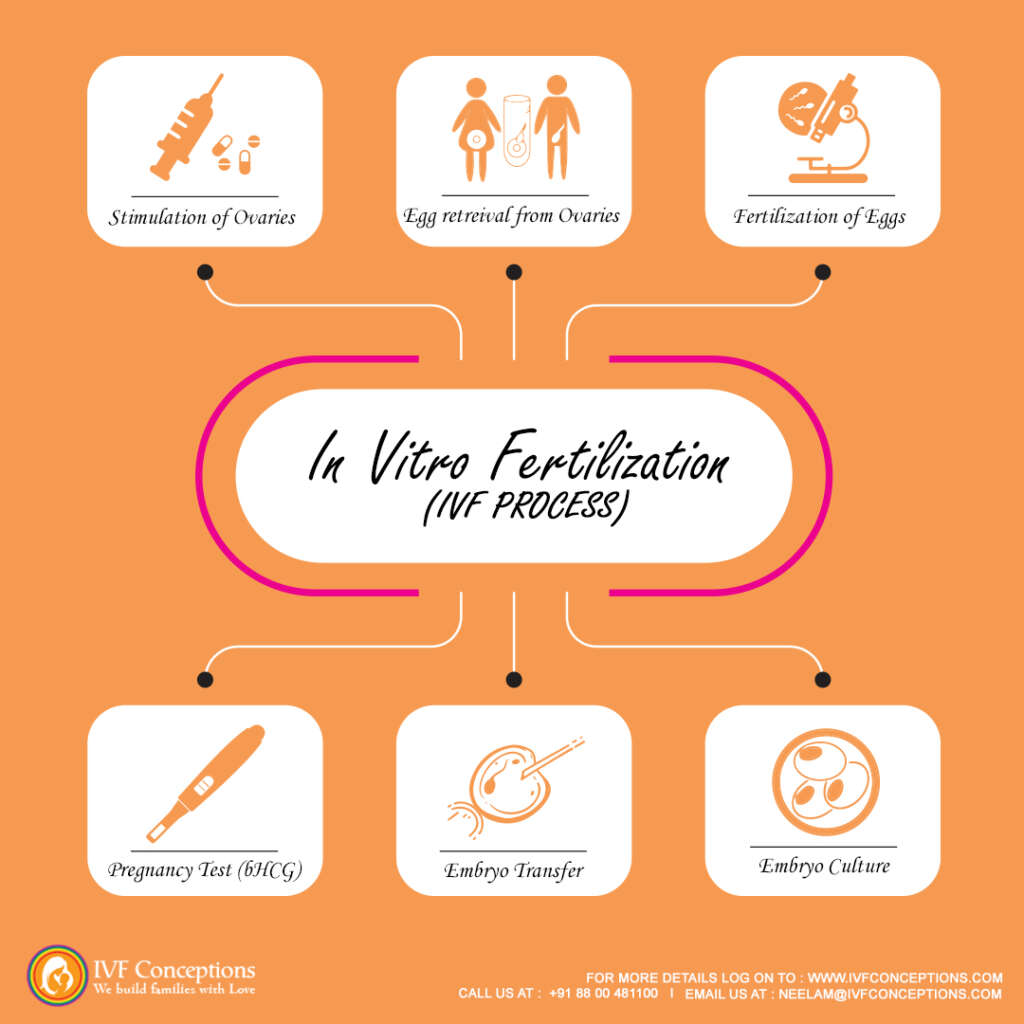
IVF, or In Vitro Fertilization, is a fertility treatment where a woman’s eggs are retrieved, fertilized with sperm in a lab, and then transferred to her uterus.
🔍 Key Steps:
- Hormonal stimulation of the ovaries
- Egg retrieval
- Fertilization in the lab
- Embryo transfer
- Pregnancy test after 10-14 days
✅ IVF is suitable when:
- The intended mother has good egg quality and ovarian reserve
- Tubal factor infertility or male factor infertility is present
- Unexplained infertility persists
What is IVF with an Egg Donor?
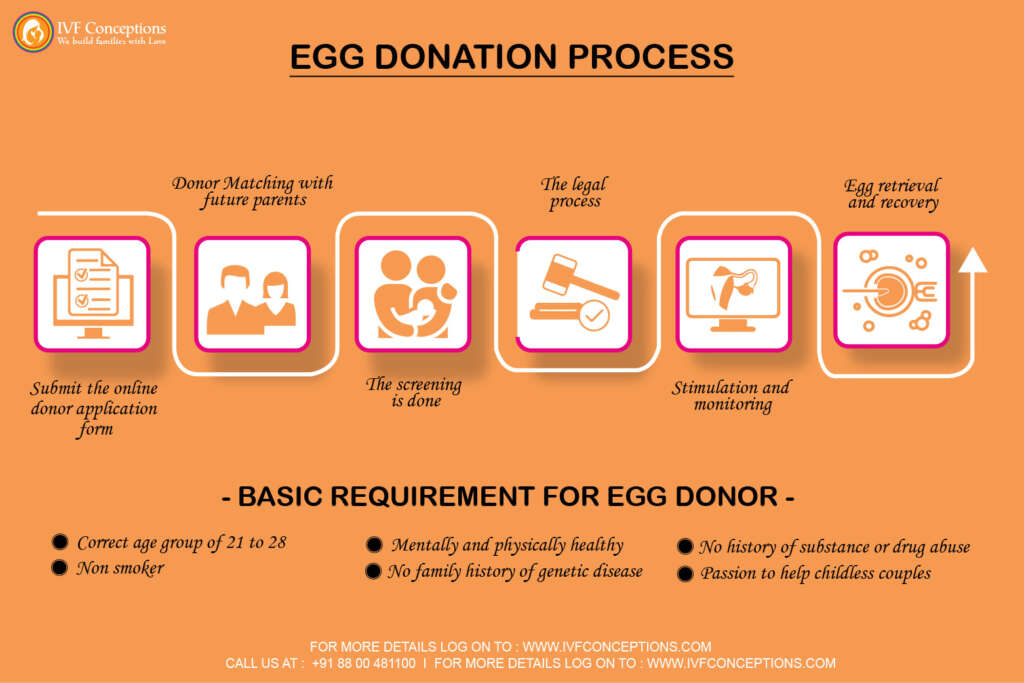
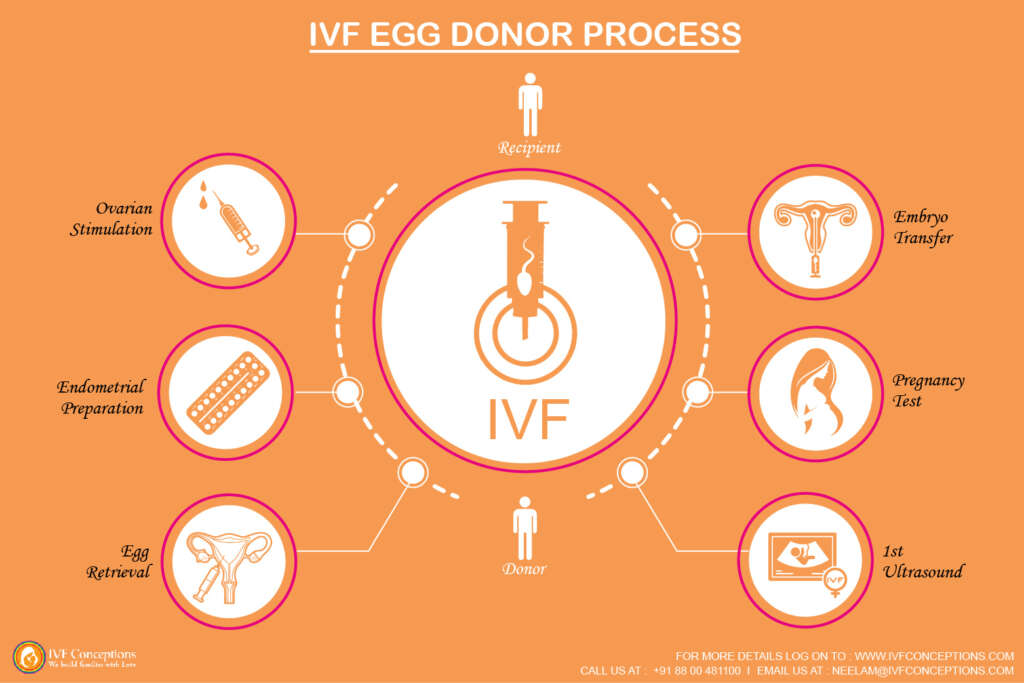
IVF with egg donation involves fertilizing donor eggs (from an anonymous or known donor) with sperm, and then transferring the resulting embryo to the intended mother or a surrogate.
🧬 Common in cases of:
- Diminished ovarian reserve or poor egg quality
- Women over 40 or with premature menopause
- Genetic concerns or inherited disorders
- Failed IVF cycles with own eggs
Medical and Success Rate Considerations
Clinical data reveal striking differences in outcomes across fertility approaches. For women over 40, CDC reports show a 54% live birth rate per cycle using third-party genetic material versus just 4% with personal eggs. This 13-fold gap highlights the significant impact of biological aging on reproductive potential.
Success Rates: IVF vs Donor Egg IVF
📊 IVF Success Rates (by Age)
| Age Group | Average Success Rate (Own Eggs) |
| Under 35 | 45–50% |
| 35–37 | 38–42% |
| 38–40 | 30–35% |
| 41–42 | 18–25% |
| Over 43 | <10% |
📈 Donor Egg IVF Success Rates
- Average success rate: 60–75% per embryo transfer
- Not dependent on the recipient’s age
- More consistent outcomes
Quantifying Age-Related Outcomes
Egg quality declines sharply after 35, with chromosomal errors increasing by 70% by age 40. SART data illustrate this through live birth rates:
- Under 35: 55% success with personal eggs
- 35-37: 40% success rate
- 38-40: 23% healthy pregnancy likelihood
Precision Through Genetic Screening
Advanced protocols now test embryos for chromosomal abnormalities before transfer. Donor programs combine this with rigorous donor health evaluations, reducing genetic disorder risks by 82%. “Our lab identifies viable embryos with 94% accuracy,” shares Dr. Elena Torres of NY Fertility Specialists.
While multiple fertility treatment cycles improve cumulative success, each attempt carries emotional and financial costs. Clinics typically recommend 3-6 month recovery periods between IVF cycles to optimize outcomes. Genetic testing adds $3,000-$5,000 per cycle but often prevents costly failed transfers.
Pros of Using Donor Eggs
For many hopeful parents, donor-assisted treatments offer life-changing results. Some clinics report success rates nearing 90% per cycle—triple the average for traditional methods. This approach provides new pathways for those facing biological barriers.
High Success Rates and Reliable Outcomes
Donor programs often yield more viable embryos per cycle. A single retrieval can create multiple genetically screened embryos, boosting the chance of a successful pregnancy. “Patients with previous unsuccessful attempts see 72% higher live birth rates with donor material,” shares Dr. Rebecca Moore of Chicago Fertility Institute.
| Age Group | Traditional Success | Donor Egg Success |
|---|---|---|
| Under 35 | 55% | 88% |
| 35-40 | 23% | 85% |
| Over 40 | 4% | 82% |
Enhanced Family Planning Options
This method allows intended parents to pursue larger families. Multiple frozen embryos enable future siblings without additional retrievals. Advanced genetic testing also permits:
- Identification of 200+ inheritable conditions
- Optional sex selection in compliant states
- Reduced miscarriage risks through chromosomal screening
Those with diminished ovarian reserve find particular relief. One mother shared, “After six failed cycles, donor eggs gave us our baby—and hope for another.” The emotional weight lifts when science aligns with personal goals.
Cost Comparison: IVF vs IVF with Egg Donor
| Treatment Type | Estimated Cost (USD) | Notes |
| IVF (own eggs) | $4,000 – $15,000 | Varies by country & medication use |
| IVF with Egg Donor | $10,000 – $25,000+ | Includes donor compensation, screening, legal fees |
💡 IVF with donor eggs is more expensive but offers higher chances of pregnancy in many cases.
Making the Best Decision for Your Family
Choosing the right path to parenthood requires balancing clinical insights with personal values. Specialized guidance helps navigate this complex terrain while honoring individual priorities.
Consulting With Fertility Specialists
Reproductive endocrinologists offer customized assessments based on medical history and treatment goals. They explain how success rates vary by age and biological factors, helping intended parents set realistic expectations. “Every case demands unique solutions,” emphasizes Dr. Sarah Klein of Reproductive Health Associates.
| Factor | Importance Level | Considerations |
|---|---|---|
| Genetic Connection | High | Emotional impact on family dynamics |
| Cost Efficiency | Medium | Insurance coverage vs out-of-pocket expenses |
| Clinical Outcomes | Critical | Clinic-specific donor program success data |
Assessing Personal Readiness
Intended parents benefit from exploring their comfort with using donor genetic material through counseling sessions. Support groups provide firsthand accounts from families who’ve navigated similar choices. Open discussions about future child disclosure often clarify priorities.
Reviewing clinic-reported success rates helps gauge realistic timelines. Financial planners recommend comparing frozen vs fresh donor programs, as costs differ by 20-30%. Legal consultations ensure all parties understand parental rights before proceeding.
Ultimately, this decision intertwines medical possibilities with heartfelt aspirations. Trusted professionals equip families with tools to align their choices with long-term vision and core values.
Who Should Consider Donor Egg IVF?
Donor egg IVF may be the right option if:
- You are over 40 with low ovarian reserve
- You’ve had multiple failed IVF cycles
- You carry genetic disorders you wish to avoid passing on
- You’ve experienced premature ovarian failure or menopause
- You’re a same-sex male couple or a single male using surrogacy
Pros and Cons
👍 IVF (Own Eggs)
Pros:
- Biological connection to the child
- Lower cost
- Less legal paperwork
Cons:
- Lower success rates with age
- Possible repeated cycle failures
- May lead to emotional distress
🌟 IVF with Egg Donor
Pros:
- High success rates across age groups
- Reduces risk of genetic abnormalities
- Ideal for older women and those with poor egg quality
Cons:
- No genetic link to the mother
- Higher cost and legal considerations
- Emotional complexity for some couples
Additional Resources to Read:
Best countries for Egg donor IVF
Why Choose IVF with an Egg Donor?
IVF and Surrogacy Costs Explained
Conclusion
The choice between IVF and IVF with an egg donor depends on your age, fertility health, personal values, and goals. While IVF with your own eggs maintains a genetic link, donor egg IVF offers higher success rates, especially for women over 40 or with failed IVF histories.
If you’re unsure which path is right for you, consult with a fertility specialist or experienced surrogacy consultant. Each journey is personal, but with the right plan, parenthood is within reach.
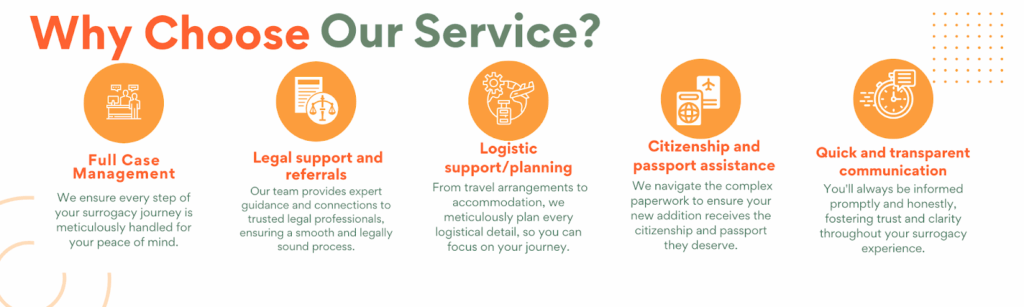
💫 Why Intended Parents Choose Complete Surrogacy for a Safe, Smooth & Successful Surrogacy Journey:
🌍 Access to multiple surrogacy destinations with 15+ years of international experience
🏥 Partnerships with top-tier fertility clinics and agencies, backed by references from past clients
👩🦱 Diverse egg donor options: Asian, Caucasian, African, Oriental, and more
💸 Transparent and affordable pricing—direct payments with no extra agency fees
🔒 No hidden costs—all charges are agreed upon upfront
🤝 Dedicated case manager for personalized support
📲 Fast, honest, and clear communication throughout
📑 Full legal support for visas, documentation, and baby exit processes
🚚 Assistance with frozen sperm/embryo shipment logistics
FAQs for IVF vs IVF with egg donor
How does using donor eggs differ from traditional fertility treatments?
Traditional methods rely on the intended mother’s own eggs, while donor eggs involve using eggs from a screened third party. This option often improves success rates, especially for those facing age-related infertility or genetic concerns.
Are pregnancy success rates higher with donated eggs?
Yes. Donor cycles typically have higher live birth rates compared to traditional methods, particularly for individuals over 35. Fresh or frozen donor eggs from young, healthy donors reduce risks linked to chromosomal abnormalities.
What genetic testing is done for donor eggs?
Reputable clinics screen donors for hereditary conditions, carrier status, and chromosomal health. Many programs also offer preimplantation genetic testing (PGT) to further ensure embryo quality before transfer.
Can I feel connected to a baby conceived with donor eggs?
Many parents report strong emotional bonds, though feelings vary. Counseling and support groups help address concerns about genetic non-relatedness. Openness with the child later in life is increasingly encouraged.
How do costs compare between standard treatments and donor cycles?
Donor cycles cost significantly more due to donor compensation, legal fees, and extended medical protocols. However, higher success rates may reduce long-term expenses from multiple failed attempts.
What legal steps protect parental rights in donor cases?
Contracts outline donor relinquishment of rights, and courts often require pre-birth orders. Work with attorneys specializing in reproductive law to ensure compliance with state-specific regulations.
How do I decide if donor eggs are right for my family?
Consult fertility specialists to review medical history, success probabilities, and emotional readiness. Many clinics offer counseling to help weigh genetic ties against the goal of achieving a healthy pregnancy.

Highly esteemed, authoritative, and trusted professional with a 14-year of experience in international surrogacy. Advocate for Secure, Legal, and Affordable International Surrogacy.
Neelam Chhagani, MA (Counselling Psychology) and Holistic Infertility and Third-Party Reproduction Consultant.
Member of European Fertility Society, Best Surrogacy Blogger of 2020, with 300 dedicated blogs, and top contributor on Quora for Surrogacy.
Add Your Comment