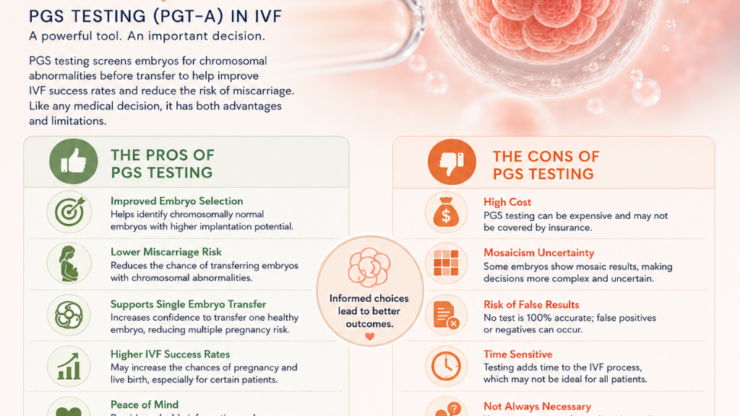
Preimplantation genetic screening (PGS) has revolutionized fertility treatments, offering advanced chromosome screening to embryos for individuals navigating complex reproductive challenges. This innovative IVF embryo testing technique provides unprecedented insights into genetic health before embryo transfer. Couples seeking fertility treatments now have a powerful tool to increase their chances of a successful pregnancy. PGS testing allows medical professionals to evaluate embryos…
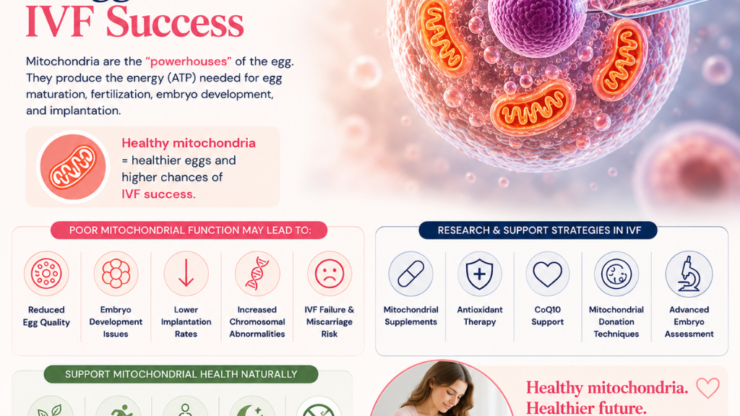
Egg quality is a critical factor in fertility, and recent research highlights the role of mitochondria in egg health and IVF success. Mitochondria, often called the “powerhouses” of the cell, provide the energy eggs need for proper development and successful fertilisation. In this blog, we’ll explore how mitochondrial function affects egg quality, IVF outcomes, and what emerging therapies are…
International surrogacy laws explained in simple terms means understanding that surrogacy rules change from country to country, and what is legal in one place may be restricted or banned in another. Some countries, like United States and Georgia, clearly allow surrogacy with contracts that protect intended parents’ rights, while others permit only altruistic arrangements or limit eligibility based on marital status or citizenship. In places such…
Learn how to navigate the citizenship-process-georgia-surrogacy/ seamlessly with our step-by-step guide for families pursuing surrogacy in Georgia.
Intended Parents’ Eligibility Criteria in India are strictly defined under the Surrogacy (Regulation) Act to ensure ethical and non-commercial surrogacy practices. In India, only legally married Indian heterosexual couples who are medically proven to be infertile are eligible to pursue surrogacy, with the woman typically required to be between 23–50 years and the man between 26–55 years. The couple…
A surrogate father is not a medically or legally recognized role in traditional or gestational surrogacy, as surrogacy primarily involves a surrogate mother who carries the pregnancy. The term is sometimes used informally to describe the intended father, whose sperm may be used to create the embryo through IVF, or in rare contexts to refer to a male partner…
Affordable IVF costs in Mumbai, India, are generally accessible compared with many Western countries, making the city a popular choice for couples seeking quality fertility treatment at reasonable prices. Most clinics in Mumbai offer basic IVF packages that include ovarian stimulation, egg retrieval, fertilization, and embryo transfer, with additional services such as ICSI, frozen embryo transfer (FET), medications, and…
In Vitro Fertilization prices in Delhi are generally competitive compared to other major Indian metros, offering a range of options from basic IVF to advanced procedures like ICSI, genetic testing (PGT), and donor programs. A typical IVF cycle in Delhi includes ovarian stimulation, egg retrieval, fertilization, and embryo transfer, while add-ons such as medications, embryo freezing, or PGT can…
In Vitro Fertilization costs in India are generally more affordable than in many Western countries, making the country a popular choice for both domestic and international patients seeking fertility treatment. Typical IVF packages range from approximately ₹1,00,000 to ₹2,50,000 per cycle, depending on the clinic, city, and specific services included such as medications, ultrasound scans, and monitoring tests. Additional…
Understanding the difference: IVF vs. surrogacy helps intended parents choose the right path based on medical needs and personal circumstances. IVF (In Vitro Fertilization) is a fertility treatment where eggs and sperm are combined in a lab, and the resulting embryo is transferred into the intended mother’s uterus, making it suitable when pregnancy is medically possible. Surrogacy, on the other…