
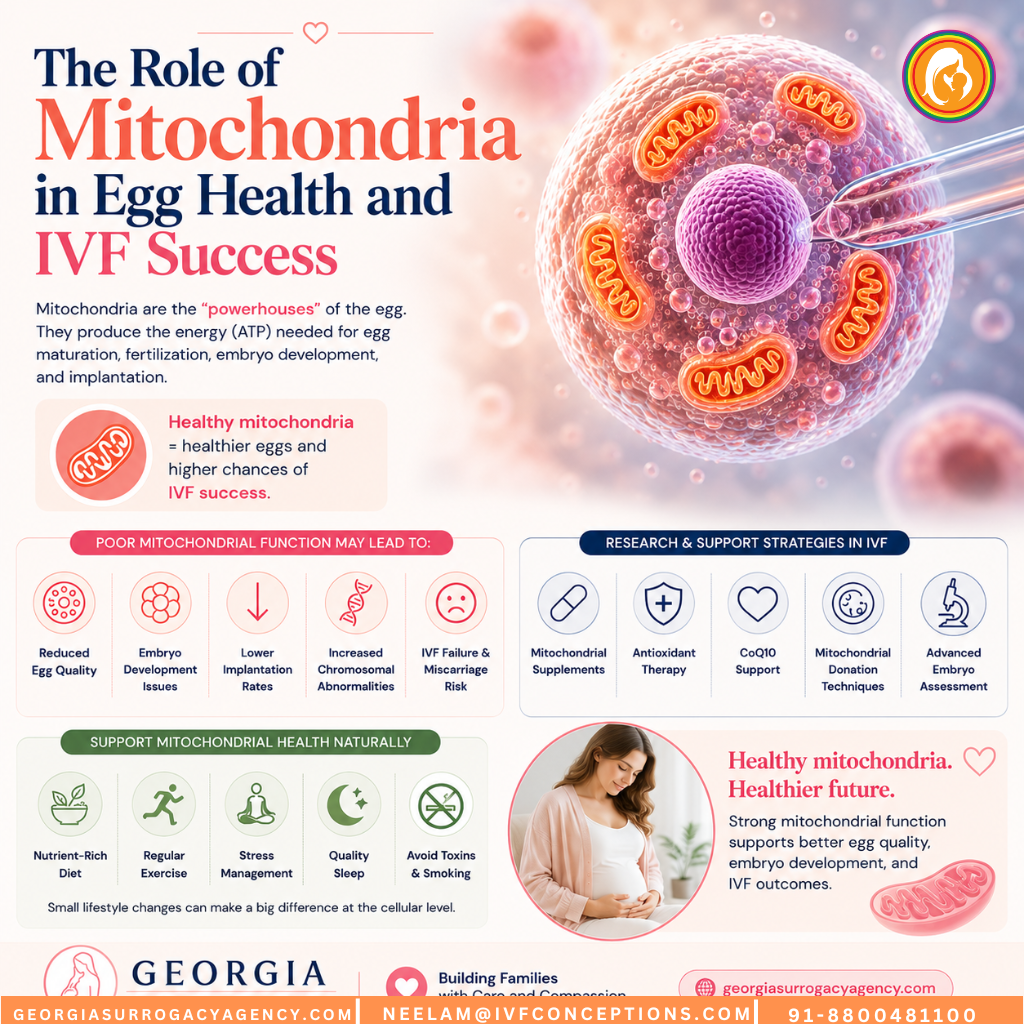
Egg quality is a critical factor in fertility, and recent research highlights the role of mitochondria in egg health and IVF success. Mitochondria, often called the “powerhouses” of the cell, provide the energy eggs need for proper development and successful fertilisation.
In this blog, we’ll explore how mitochondrial function affects egg quality, IVF outcomes, and what emerging therapies are showing promise in supporting reproductive health.
Summary Table for Mitochondrial Factor
| Mitochondrial Factor | How It Affects Egg Health | Impact on IVF Success | Notes / Emerging Approaches |
|---|---|---|---|
| Mitochondrial Number | Adequate mitochondria provide sufficient energy for cell division. | Low mitochondrial count can reduce fertilisation rates and embryo quality. | Some therapies aim to enhance mitochondrial replication in eggs. |
| Mitochondrial Function / Efficiency | Efficient mitochondria produce more ATP for egg maturation and embryo development. | Dysfunction can lead to poor embryo development and implantation failure. | Lifestyle factors, antioxidants, and emerging mitochondrial supplements may help. |
| Mitochondrial DNA Integrity | Mutations or damage can impair egg viability. | Higher mtDNA mutations correlate with lower IVF success and increased miscarriage risk. | Research is ongoing into mitochondrial transfer or augmentation techniques. |
| Oxidative Stress Levels | Excess oxidative stress damages mitochondria and egg quality. | Can lower fertilization rates and embryo viability. | Antioxidant therapy and lifestyle interventions may mitigate oxidative stress. |
| Age-Related Decline | Mitochondrial efficiency and number naturally decline with age. | Contributes to decreased fertility and IVF success in older women. | Research into rejuvenation techniques, PRP, or mitochondrial transfer is emerging. |
Key Takeaways
- Mitochondria are essential for energy production in eggs.
- Dysfunctional mitochondria can lead to decreased fertility rates.
- Mitochondrial health is a critical factor in IVF success.
- Improving egg quality for fertility involves addressing mitochondrial function.
- Ageing significantly affects mitochondrial health in reproductive cells.
📞 Get in Touch for a Free Surrogacy Consultation
📱 +91-8800481100 (WhatsApp | LINE | Viber)
📧 neelam@ivfconceptions.com
🌐 www.georgiasurrogacyagency.com

Understanding Mitochondria: The Powerhouses of Cells
Mitochondria are key parts of human cells, playing a big role in making energy. They are very important for understanding how they affect fertility and reproductive health. These tiny structures do more than just make energy; they help with many cell functions that keep us healthy.
What Are Mitochondria?
Mitochondria are called the powerhouses of cells because they turn nutrients into ATP, the cell’s energy. They are found in different amounts in different cells, showing how much energy each cell needs. For fertility, mitochondria in egg cells are very important. They help create the best conditions for fertilization and embryo growth.
Key Functions of Mitochondria in Cellular Metabolism
Knowing about egg mitochondria means understanding their many roles in cell work. They help with:
- Creating energy through aerobic respiration, which is key for cell activities.
- Controlling calcium levels, which is important for egg maturation signals.
- Keeping cells healthy by making reactive oxygen species for signaling and preventing damage.
Healthy mitochondria are very important, even more so in assisted reproductive technologies. The energy from mitochondria in IVF is key for egg quality and embryo implantation success. This shows how mitochondria are linked to reproductive health.
The Role of Mitochondria in Egg Health and IVF Success
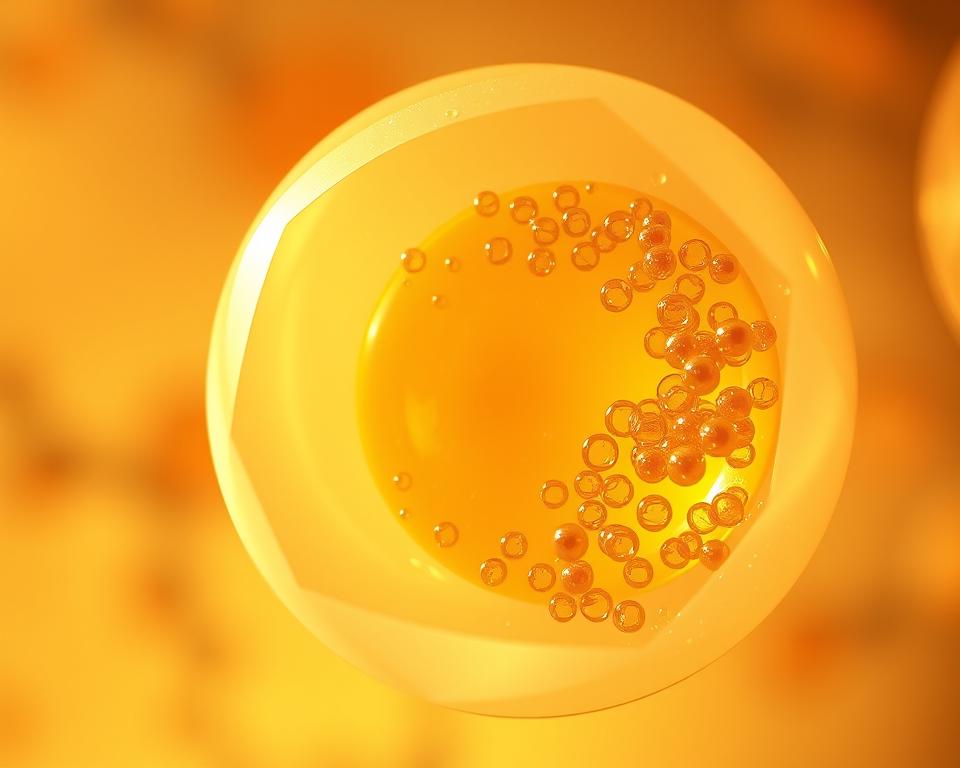
Mitochondria are key to keeping eggs healthy and improving IVF success. They make energy for cells to work. If they don’t work well, it can cause big problems with reproduction.
The way energy is made links directly to egg quality and mitochondria. This shows how important it is for mitochondria to function well.
Energy Production and Egg Quality
Energy is critical for fertilisation and early embryo growth. Eggs with more mitochondria tend to fertilise better and grow well early on. This energy is needed for the cell activities that help the embryo implant.
Mitochondrial DNA and Its Importance in Reproductive Health
Mitochondrial DNA is vital for egg health. It’s passed down from the mother and affects mitochondrial function in the embryo. Problems with it can lower egg quality and lead to infertility. Fixing these issues is key to better IVF success.
The Consequences of Mitochondrial Dysfunction
Mitochondrial problems can lead to less energy, hurting egg health and chances of success. As women get older, these problems get worse. This can cause issues like failed fertilisation or abnormal embryo growth. To boost fertility, improving mitochondrial function is a promising approach.
| Aspect | Impact on Egg Health | Relevance to IVF |
|---|---|---|
| Energy Production | Supports egg viability and maturation | Critical for successful fertilisation |
| Mitochondrial DNA | Quality affects early embryonic energy | Influences embryo development rates |
| Dysfunction Effects | Leads to compromised egg quality | Increases risk of IVF failure |
Mitochondrial Health in Assisted Reproduction Technologies
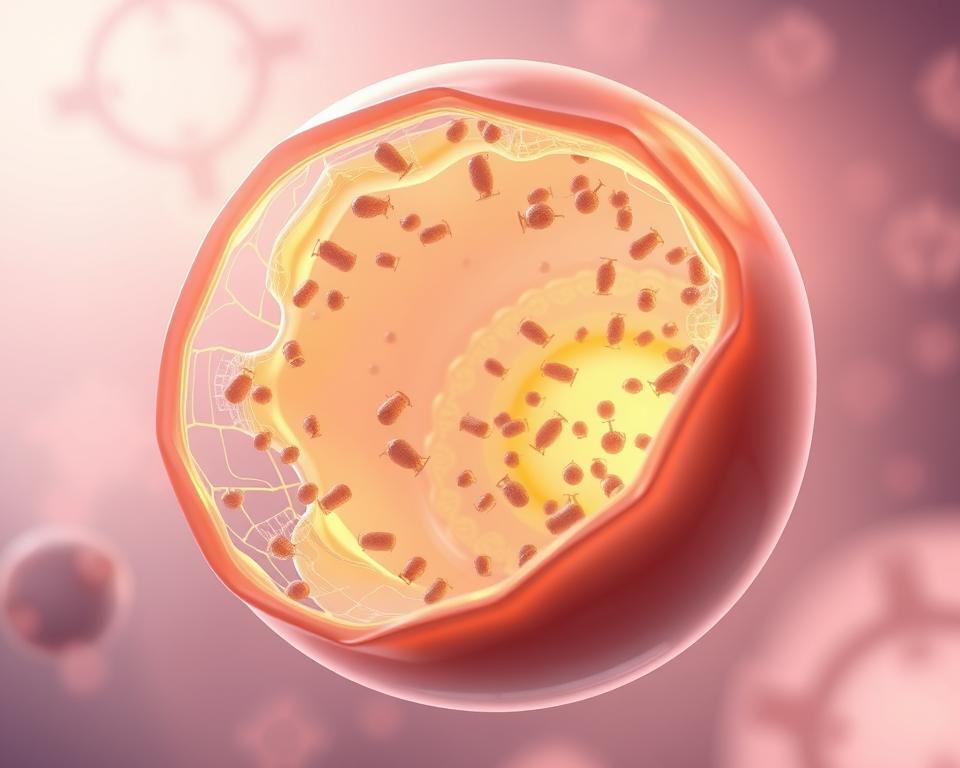
Recent breakthroughs in assisted reproduction have shed light on the role of mitochondria. Evaluating mitochondrial function is now key to improving IVF success. This focus on mitochondrial health is vital, as it can greatly impact the success of IVF, even when egg quality is low.
Assessing Mitochondrial Function in IVF Procedures
There are several ways to check how well mitochondria are working. These include:
- Measuring ATP production, which shows how much energy is available.
- Looking at mitochondrial shape to see if they are healthy.
- Using advanced imaging to watch how mitochondria move and work.
These methods are essential for understanding how well IVF works and how healthy mitochondria are. By spotting problems in mitochondrial activity, doctors can find better ways to help.
Improving Egg Quality Through Mitochondrial Interventions
New ways to boost egg quality through mitochondria are being explored. One promising approach is:
- Transferring healthy mitochondria from donor eggs to improve egg quality.
- Using antioxidants to reduce oxidative stress that harms mitochondria.
These methods aim to improve mitochondrial function. This can lead to better egg quality and higher success rates in IVF.
Factors Affecting Mitochondrial Health
Many things can affect how well mitochondria work, which is key for fertility. Knowing what these are helps us find ways to improve egg quality and reproductive health.
The Impact of Ageing on Mitochondrial Function
As we get older, our mitochondria don’t work as well. This can lead to less energy and more DNA mistakes. This decline makes eggs less healthy, affecting a woman’s ability to have children. Understanding how ageing affects mitochondria is important for reproductive health.
Metabolic Disorders and Their Effects on Egg Quality
Conditions like diabetes and obesity harm mitochondria. These problems can make eggs worse, making it harder to get pregnant. It’s key to see how metabolic disorders affect egg quality to tackle fertility issues.
Environmental Influences on Mitochondrial Health
Things in our environment, like toxins, can hurt mitochondria. This can lead to fertility problems. We need to tackle these environmental factors to boost reproductive success.
| Factor | Impact on Mitochondrial Health | Effects on Fertility |
|---|---|---|
| Ageing | Decline in function and energy production | Reduced egg quality, lower fertility rates |
| Metabolic Disorders | Impaired mitochondrial functionality | Increased complications in conception |
| Environmental Influences | Disruption of normal function | Potential decrease in reproductive viability |
Additional Resources to read:
Citizenship Process for Surrogacy in Georgia Country
Surrogacy for Foreigners in Georgia
Conclusion
Mitochondrial health is key to egg viability and IVF success. Studies show that healthy mitochondria are essential for good reproductive outcomes. This knowledge helps people understand how mitochondrial function affects fertility.
New treatments aim to boost mitochondrial activity in eggs. These treatments show great promise in improving egg quality for IVF. They could lead to more successful conceptions and healthier pregnancies.
As reproductive technology advances, the importance of mitochondrial health in IVF becomes clearer. Both parents and fertility experts need to grasp this. This understanding brings new hope for those trying to conceive.
💫 Why Intended Parents Choose Complete Surrogacy for a Safe, Smooth & Successful Surrogacy Journey:
🌍 Access to multiple surrogacy destinations with 15+ years of international experience
🏥 Partnerships with top-tier fertility clinics and agencies, backed by references from past clients
👩🦱 Diverse egg donor options: Asian, Caucasian, African, Oriental, and more
💸 Transparent and affordable pricing—direct payments with no extra agency fees
🔒 No hidden costs—all charges are agreed upon upfront
🤝 Dedicated case manager for personalized support
📲 Fast, honest, and clear communication throughout
📑 Full legal support for visas, documentation, and baby exit processes
🚚 Assistance with frozen sperm/embryo shipment logistics

FAQ- Role of Mitochondria in Egg Health and IVF Success
What are mitochondria, and why are they important for egg health?
Mitochondria are called the “powerhouses of the cell.” They make energy in the form of ATP. This energy is key for cell functions. For egg health, they help a lot with energy for important reproductive tasks. This leads to better egg quality and higher chances of IVF success.
How does mitochondrial DNA (mtDNA) affect fertility?
Mitochondrial DNA comes only from the mother. It’s vital for energy in the egg. Good mtDNA means better egg function and fertilization. But, problems with mtDNA can harm egg quality and embryo growth.
What is mitochondrial dysfunction and how does it relate to infertility?
Mitochondrial dysfunction means mitochondria can’t make enough energy. This hurts cell function. It can cause infertility by making eggs poor quality and making fertilization and embryo growth hard.
How can mitochondrial health be assessed in IVF treatments?
Checking mitochondrial health in IVF means looking at ATP production and shape. New methods are being made to see how mitochondria work in eggs and embryos. This helps make better choices in fertility treatments.
What interventions can improve mitochondrial function in eggs?
Ways to boost mitochondrial function include using donor eggs for mitochondrial transfer. This helps eggs make more energy. Scientists are working hard to find the best ways to improve mitochondrial health for fertility.
How does age impact mitochondrial health and fertility?
Age really affects mitochondrial health. Studies show that as women get older, mitochondria work less well and DNA gets damaged. This can make eggs worse and increase the risk of failed fertilization or abnormal embryos.
What role do metabolic disorders play in mitochondrial health?
Metabolic disorders like diabetes and obesity hurt mitochondrial function. These conditions can make fertility problems worse. They affect energy production in cells important for egg health and reproductive success.
Can environmental factors influence mitochondrial health and fertility? What factors influence mitochondrial health and fertility?
Yes, things like toxins and pollutants can harm mitochondrial health. This can make eggs less viable and make it harder to get pregnant.

Highly esteemed, authoritative, and trusted professional with a 14-year of experience in international surrogacy. Advocate for Secure, Legal, and Affordable International Surrogacy.
Neelam Chhagani, MA (Counselling Psychology) and Holistic Infertility and Third-Party Reproduction Consultant.
Member of European Fertility Society, Best Surrogacy Blogger of 2020, with 300 dedicated blogs, and top contributor on Quora for Surrogacy.
Add Your Comment