
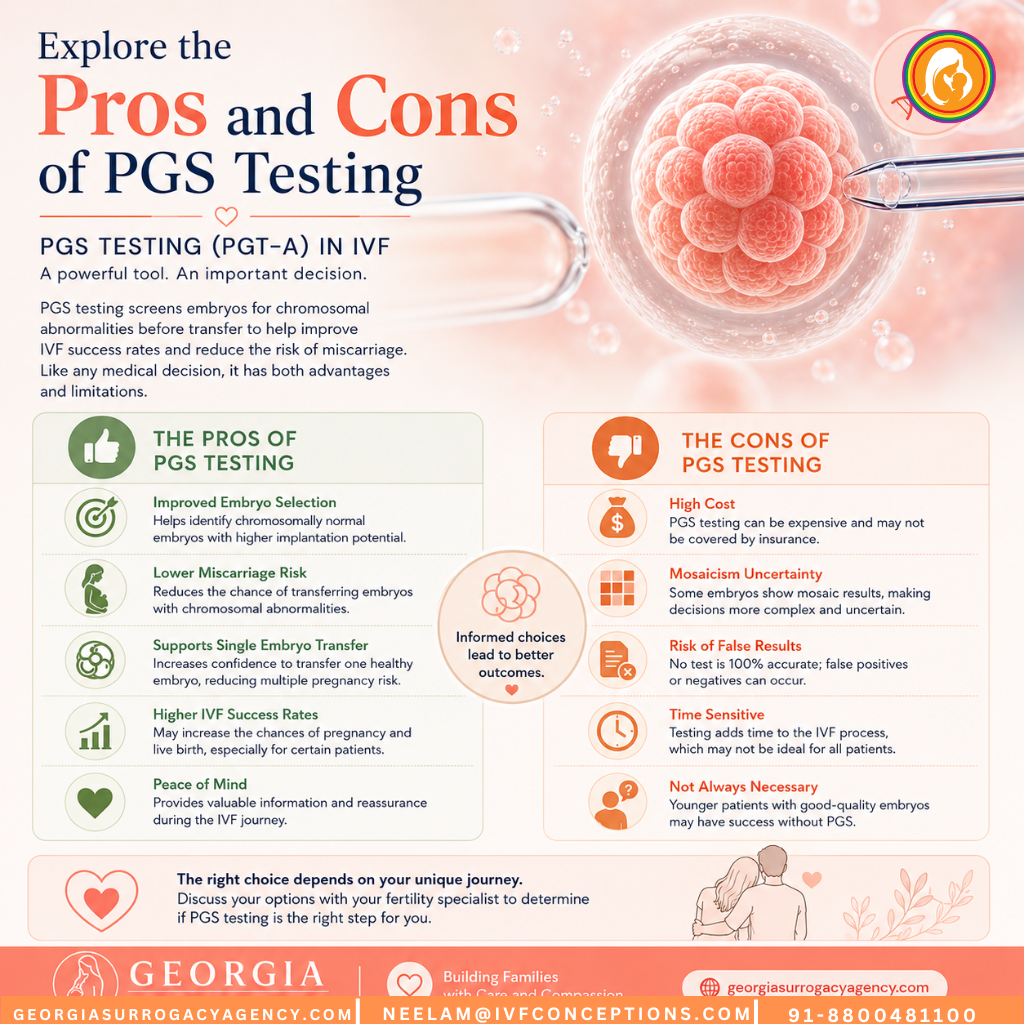
Preimplantation genetic screening (PGS) has revolutionized fertility treatments, offering advanced chromosome screening to embryos for individuals navigating complex reproductive challenges. This innovative IVF embryo testing technique provides unprecedented insights into genetic health before embryo transfer.
Couples seeking fertility treatments now have a powerful tool to increase their chances of a successful pregnancy. PGS testing allows medical professionals to evaluate embryos at the genetic level, identifying potential chromosomal abnormalities that could impact pregnancy outcomes.
Genetic screening represents a critical advancement in reproductive medicine, enabling patients to make more informed decisions about their fertility journey. By understanding the risks and benefits of PGS testing, individuals can approach their treatment with greater confidence and clarity.
Key Takeaways
- PGS testing provides comprehensive genetic screening during IVF treatments
- Chromosome analysis helps reduce potential pregnancy complications
- Advanced genetic screening increases pregnancy success rates
- Embryo genetic testing offers deeper insights into reproductive health
- PGS testing supports more targeted and personalized fertility treatments
📞 Get in Touch for a Free Surrogacy Consultation
📱 +91-8800481100 (WhatsApp | LINE | Viber)
📧 neelam@ivfconceptions.com
🌐www.georgiasurrogacyagency.com
Understanding Preimplantation Genetic Screening (PGS)
Preimplantation Genetic Screening (PGS) represents a cutting-edge diagnostic technique in reproductive medicine that offers hope for couples struggling with fertility challenges. This advanced screening method provides critical insights into embryo chromosomal health during in vitro fertilization (IVF) treatments.
What is PGS Testing
Aneuploidy screening in IVF enables medical professionals to examine embryos for chromosomal abnormalities before implantation. A standard human embryo should contain 46 chromosomes. PGS testing identifies genetic variations that might prevent a successful pregnancy or lead to potential genetic disorders.
- Identifies the chromosome count in embryos
- Screens for genetic abnormalities
- Improves IVF success rates
The Role of Chromosomal Analysis
Chromosomal analysis plays a pivotal role in determining embryo viability. Genetic anomalies can significantly impact conception rates and pregnancy outcomes. PGS safety protocols help reduce risks associated with chromosomal disorders.
| Chromosome Status | Potential Outcome |
|---|---|
| Normal (46 chromosomes) | Higher pregnancy success |
| Abnormal (>46 or | Potential implantation failure |
PGS Testing Process and Timeline
The PGS testing process involves carefully extracting cells from embryos for genetic evaluation. While PGS cost can be substantial, many fertility specialists recommend this screening to maximize IVF success rates and minimize potential genetic complications.
PGS helps patients make informed decisions about embryo selection during fertility treatments.
- Embryo development in the laboratory
- Cell biopsy at the blastocyst stage
- Genetic analysis
- Embryo selection
- Implantation of genetically healthy embryos
Benefits of PGS Testing in IVF Treatment

Preimplantation genetic screening (PGS) represents a significant breakthrough in fertility treatment benefits. This advanced IVF genetic testing technique offers patients unprecedented insights into embryo health before implantation.
The primary advantages of embryo screening include:
- Reduced risk of chromosomal abnormalities testing
- Increased pregnancy success rates
- Minimized the potential for genetic disorders screening
- More precise embryo selection process
Genetic disorders screening through PGS enables medical professionals to identify potential chromosomal abnormalities with remarkable precision. By examining embryos before transfer, patients can significantly improve their chances of a successful pregnancy.
| PGS Testing Benefit | Impact on Fertility Treatment |
|---|---|
| Chromosomal Analysis | Reduces miscarriage risk by 50% |
| Embryo Quality Assessment | Increases successful pregnancy rates |
| Genetic Screening | Prevents transmission of inherited disorders |
Patients undergoing IVF genetic testing can expect several key benefits. The screening process allows for selecting the most viable embryos, potentially reducing the time and emotional stress associated with fertility treatments.
PGS testing offers hope by providing a comprehensive genetic assessment before embryo transfer.
While no medical procedure guarantees absolute success, PGS testing significantly improves the odds of a healthy pregnancy. Couples can approach their fertility journey with greater confidence and scientific understanding.
Risks and Benefits of PGS Testing
Preimplantation Genetic Screening (PGS) represents a complex diagnostic approach in fertility treatments that offers both promising opportunities and significant challenges. Understanding the nuanced landscape of PGS testing is crucial for individuals considering this advanced reproductive technology.
Key Advantages of Fertility Treatment
PGS testing provides several critical benefits for couples struggling with fertility:
- Enhanced embryo selection accuracy
- Reduced risk of chromosomal abnormalities
- Increased probability of a successful pregnancy
- Screening for genetic disorders before implantation
Potential Drawbacks and Limitations
Despite its advantages, PGS testing comes with notable limitations in the PGS testing procedure and potential risks:
- Invasive embryo biopsy procedure
- Potential embryo damage during screening
- Possibility of mosaicism affecting test results
- Emotional strain from inconclusive findings
Success Rate Considerations
PGS testing accuracy varies across different clinical scenarios. While the technique improves embryo selection, it does not guarantee a successful pregnancy. The PGS testing cost and complex ethical considerations must be carefully evaluated by prospective parents.
Reproductive technology continues to evolve, offering hope while demanding careful individual assessment.
Financial and Technical Aspects of PGS
Understanding the financial and technical dimensions of Preimplantation Genetic Screening (PGS) is crucial for individuals considering fertility treatments. PGS testing represents a sophisticated approach to identifying chromosome abnormalities before embryo transfer, potentially reducing miscarriage risk and birth defects.

The cost of PGS testing typically ranges between $4,000 and $10,000, depending on several key factors:
- Number of embryos screened
- Complexity of genetic analysis
- Specific laboratory technologies used
- Reproductive clinic’s pricing structure
Comparing PGS testing versus other prenatal tests reveals unique advantages. The screening process involves comprehensive chromosome analysis, which can significantly improve IVF success rates by selecting genetically healthy embryos.
| PGS Testing Component | Estimated Cost | Key Benefit |
|---|---|---|
| Genetic Screening | $3,500 – $5,000 | Chromosome abnormality detection |
| Embryo Biopsy | $1,500 – $2,500 | Precise genetic material sampling |
| Advanced Genetic Analysis | $2,000 – $3,000 | Comprehensive genetic risk assessment |
Patients should discuss potential insurance coverage and financing options with their reproductive specialist. The investment in PGS testing can potentially reduce long-term medical expenses by minimizing the risk of genetic complications.
Technical advancements continually improve PGS testing accuracy, making it an increasingly valuable tool in modern reproductive medicine.
Additional resources to read:
The Ultimate Guide to AMH Testing
International Surrogacy Laws Explained in Simple Terms
How Hormonal Imbalances Affect Fertility in Women and Men
Egg Donor Surrogacy in Georgia
Conclusion
Preimplantation genetic screening (PGS) represents a powerful advancement in assisted reproductive technology that offers hope for individuals navigating complex fertility challenges. This innovative chromosome abnormality testing provides critical insights into embryo health, enabling more informed decisions during reproductive genetic testing.
While PGS can dramatically improve fertility treatment outcomes by identifying potential genetic disorders, it is not a universal solution. Each patient’s journey is unique, requiring personalized medical guidance. Fertility specialists recommend carefully evaluating individual medical histories, age-related risks, and specific reproductive goals before determining whether PGS is the most appropriate approach.
💫 Why Intended Parents Choose Complete Surrogacy for a Safe, Smooth & Successful Surrogacy Journey:
🌍 Access to multiple surrogacy destinations with 15+ years of international experience
🏥 Partnerships with top-tier fertility clinics and agencies, backed by references from past clients
👩🦱 Diverse egg donor options: Asian, Caucasian, African, Oriental, and more
💸 Transparent and affordable pricing—direct payments with no extra agency fees
🔒 No hidden costs—all charges are agreed upon upfront
🤝 Dedicated case manager for personalized support
📲 Fast, honest, and clear communication throughout
📑 Full legal support for visas, documentation, and baby exit processes
🚚 Assistance with frozen sperm/embryo shipment logistics
FAQ for Explore the Pros and Cons of PGS Testing
What exactly is Preimplantation Genetic Screening (PGS)?
Preimplantation Genetic Screening (PGS) is an advanced genetic testing technique used during in vitro fertilization (IVF) to examine embryos for chromosomal abnormalities before transfer. The process involves analyzing the number and structure of chromosomes in embryos to identify those with the highest potential for successful pregnancy and healthy development.
How does PGS improve IVF success rates?
PGS can improve IVF success rates by selecting embryos with the correct number of chromosomes, which reduces the risk of miscarriage and implantation failure. By identifying chromosomally normal embryos, fertility specialists can transfer the most viable embryos, potentially increasing the chances of a successful pregnancy and reducing the number of embryo transfers needed.
Is PGS testing safe for embryos?
While PGS is generally considered safe, it is an invasive procedure that involves removing a few cells from the embryo for genetic analysis. There is a minimal risk of damaging the embryo during the biopsy. Patients should discuss the potential risks and benefits with their fertility specialist to understand how PGS might impact their specific fertility treatment.
Who is the ideal candidate for PGS testing?
PGS is typically recommended for patients with advanced maternal age (over 35), those with a history of recurrent miscarriages, multiple failed IVF cycles, or known genetic disorders. Women with advanced reproductive age benefit most, as chromosomal abnormalities become more common as fertility declines.
What are the potential limitations of PGS testing?
PGS has several limitations, including the possibility of false positives or negatives due to mosaicism (where an embryo contains both normal and abnormal cells). The test cannot detect all genetic conditions, and it does not guarantee a successful pregnancy. Additionally, the procedure is costly and may not be covered by insurance.
How much does PGS testing typically cost?
The cost of PGS testing can range from $3,000 to $5,000 in addition to standard IVF treatment costs. Prices vary depending on the fertility clinic, geographic location, and specific testing techniques used. Patients should check with their insurance provider and fertility clinic for detailed pricing and potential financial assistance options.
How long does the PGS testing process take?
The PGS testing process typically takes about 5-7 days from embryo biopsy to genetic analysis. After the initial IVF cycle and embryo development, a few cells are removed from each embryo for genetic testing. Results are usually available within a week, allowing for careful embryo selection and potential frozen embryo transfer.
Can PGS help with gender selection?
While PGS can determine the chromosomal sex of embryos, many clinics have ethical guidelines about using this information solely for gender selection. In most cases, gender determination through PGS is primarily used to identify sex-linked genetic disorders or to prevent serious genetic conditions.
What is the difference between PGS and PGD?
PGS (Preimplantation Genetic Screening) looks for chromosomal abnormalities in embryos, while PGD (Preimplantation Genetic Diagnosis) tests for specific genetic disorders. PGS checks the overall chromosomal health, whereas PGD screens for particular inherited genetic conditions that may be present in the parents’ genetic history.
Are there any alternative genetic testing options for embryos?
Alternative genetic testing options include traditional prenatal testing methods like chorionic villus sampling (CVS) and amniocentesis. However, these tests are performed during pregnancy, whereas PGS occurs before embryo transfer. Discuss with your fertility specialist to determine the most appropriate genetic screening method for your specific situation.

Highly esteemed, authoritative, and trusted professional with a 14-year of experience in international surrogacy. Advocate for Secure, Legal, and Affordable International Surrogacy.
Neelam Chhagani, MA (Counselling Psychology) and Holistic Infertility and Third-Party Reproduction Consultant.
Member of European Fertility Society, Best Surrogacy Blogger of 2020, with 300 dedicated blogs, and top contributor on Quora for Surrogacy.
Add Your Comment