
After an embryo transfer, you need to be very careful and strategic. This is a key moment in your fertility treatment. Every choice you make can affect your chances of getting pregnant.
The days after an embryo transfer are full of hope and anticipation. Doctors suggest certain steps to help the embryo implant. Making smart choices during this time is very important.
Fertility experts say you need a complete approach after the transfer. This includes following medical advice, making lifestyle changes, and getting emotional support. These steps can help increase your chances of a successful pregnancy.
Key Takeaways
- Follow precise medical recommendations during the post-embryo transfer period
- Prioritize rest and stress reduction techniques
- Maintain a balanced diet supporting embryo implantation
- Avoid strenuous physical activities
- Stay hydrated and maintain optimal body temperature
- Communicate regularly with your fertility specialist
- Practice gentle self-care and positive visualization
 Get in Touch for a Free Surrogacy Consultation

 +91-8800481100 (WhatsApp | LINE | Viber)
 neelam@ivfconceptions.com
 www.georgiasurrogacyagency.com
Understanding the Post-Embryo Transfer Period
The journey to pregnancy after IVF is delicate and complex. It requires patience and understanding. After the embryo transfer, your body goes through a critical phase. Success depends on many biological factors.
During the post-transfer care, patients feel a mix of hope and anticipation. The embryo implantation process is detailed. It involves several key stages that affect the chance of a successful pregnancy.
The Implantation Process
Embryo implantation usually happens 1-5 days after transfer. This process has several important steps:
- The embryo approaches the uterine lining
- Initial attachment to the endometrium
- Penetration of the uterine wall
- Complete embedding in the uterine tissue
Critical First Days After Transfer
The first 72 hours after transfer are very important. Your body is getting ready to support a pregnancy. Patients are told to:
- Maintain minimal physical activity
- Avoid stress
- Follow medical recommendations precisely
Signs of Successful Implantation
Every woman’s experience is different. Some signs of successful implantation include:
- Mild cramping
- Light spotting
- Breast tenderness
- Slight changes in basal body temperature
Remember, the absence of these signs does not necessarily indicate an unsuccessful transfer.
Understanding the embryo implantation process can help manage your expectations. It can also reduce anxiety during this critical time in your fertility journey.

Essential Rest and Recovery Guidelines
Resting after an embryo transfer is key. Your body needs care during this important time. Doctors now suggest a gentle approach that helps recovery without keeping you too quiet.
Rest doesn’t mean you have to stay completely in bed. Here are some important tips for recovery:
- Avoid hard exercises for 48-72 hours after the transfer
- Do light, easy activities
- Take short walks to keep blood flowing
- Pay attention to how your body feels
Knowing what your body needs is very important during recovery. Mild movements can actually help implantation by keeping blood flowing well. This helps without stressing your reproductive system.
Gentle movement supports your body’s natural healing process during this delicate time.
Good activities during bed rest include:
- Short, easy walks
- Light stretching
- Meditation or relaxation techniques
- Sitting without too much strain
Always talk to your reproductive specialist for advice. They can give you tips based on your IVF success factors and health.
What to Do After Embryo Transfer to Increase Success

After an embryo transfer, taking the right steps can boost your chances of success. Focus on gentle activities, keeping your body temperature stable, and staying well. Knowing how to care for yourself after treatment can help your embryo implant.
The days after an embryo transfer are very important. Your body needs support to get pregnant. Using the right strategies can greatly improve your chances.
Recommended Physical Activities
During this time, it’s best to move gently. Here are some activities that can help:
- Short, leisurely walks (10-15 minutes)
- Light stretching
- Mild yoga poses approved by your physician
- Relaxation techniques like deep breathing
Maintaining Optimal Body Temperature
Keeping your body warm is key to implantation. Follow these tips:
- Wear warm, comfortable layers
- Avoid extreme temperatures
- Use light blankets for consistent warmth
- Stay hydrated with room-temperature water
Blood Flow Enhancement Techniques
Good blood flow can help your embryo implant. Try these gentle methods:
- Warm (not hot) showers
- Wearing warm socks
- Gentle foot and leg massages
- Practicing relaxation methods
Remember, always consult your reproductive specialist before implementing any new strategies during your fertility treatment journey.
Nutrition and Dietary Recommendations

Good nutrition is key to a healthy uterine environment. It helps your body get ready for embryo implantation. Your diet can greatly affect your fertility treatment success.
To get ready for embryo transfer, eat a balanced diet. This diet should support your reproductive health and embryo growth.
- Consume foods rich in folic acid
- Prioritize lean proteins
- Include plenty of fruits and vegetables
- Choose healthy fats
- Stay hydrated
“Nutrition is a powerful tool in creating the most supportive environment for embryo implantation.” – Fertility Nutrition Experts
Some foods can make your uterine environment better for fertility. Add these nutrient-rich foods to your diet:
| Nutrient | Recommended Foods | Benefit for Embryo Development |
|---|---|---|
| Folic Acid | Leafy greens, legumes, fortified grains | Supports cellular growth and prevents neural tube defects |
| Omega-3 Fatty Acids | Salmon, chia seeds, walnuts | Improves reproductive health and reduces inflammation |
| Protein | Lean meats, eggs, tofu | Supports tissue repair and embryo development |
Avoid these foods during this important time:
- Raw or undercooked meats
- High-mercury fish
- Unpasteurized dairy products
- Excessive caffeine
- Alcohol
Always talk to your healthcare provider about your diet. They can give you advice that fits your fertility treatment. Everyone’s nutritional needs are different, so getting professional advice is very important.
Lifestyle Modifications for Optimal Results
Starting the IVF journey means making big lifestyle changes. These changes can greatly affect your treatment. Your daily habits are key to better IVF outcomes and higher embryo transfer success.
For a holistic IVF approach, focus on lifestyle changes that boost your reproductive health. These changes are not just about medical treatments. They cover your overall well-being.
Stress Management Techniques
Stress can really affect your fertility and IVF success. Here are some ways to reduce stress:
- Daily meditation practices
- Gentle yoga sessions
- Professional counseling support
- Mindfulness breathing exercises
Sleep and Recovery Practices
Good sleep is vital for hormone balance and reproductive health. Try to get 7-9 hours of uninterrupted rest each night. This helps your body recover.
| Sleep Practice | Potential Benefits |
|---|---|
| Consistent sleep schedule | Hormone regulation |
| Dark, cool bedroom environment | Improved sleep quality |
| Limit screen time before bed | Better sleep onset |
Environmental Considerations
Your surroundings can also affect IVF success. Here are some tips:
- Minimize exposure to toxic chemicals
- Use air purifiers
- Choose organic cleaning products
- Create a calm, stress-free living space
By making these lifestyle changes, you’re helping your IVF journey succeed. Remember, what works for one person might not work for another. Always talk to your healthcare provider for personalized advice.
Medical Care and Monitoring
After an embryo transfer, getting the right medical care is key. It’s a vital part of your journey to start a family. Your team will watch over you closely to help your pregnancy grow.
Important parts of medical care include:
- Regular hormone level checks
- Ultrasound scans at set times
- Tracking progesterone levels
- Keeping an eye on how you feel
Mayo Clinic advises talking a lot with your doctors. You’ll need to go back for many check-ups. This is to make sure the embryo is settling in well.
Your doctor might suggest:
- Tests to check hormone levels
- Ultrasound scans to see the embryo
- Keeping up with progesterone support
- Telling them right away if you notice anything odd
It’s very important to work closely with your medical team during this time. Pay attention to how your body feels. And always talk openly with your doctors to increase your chances of a healthy pregnancy.
Additional Resources to read:
Best countries for Egg donor IVF
Best IVF Doctors in Delhi, India
IVF and Surrogacy Costs Explained
IVF Terminology and IVF Acronym 101
Conclusion
Starting an IVF journey means paying close attention to how to help embryos implant. This guide offers tips to support your pregnancy after embryo transfer.
IVF success rates can vary, but using these strategies can boost your chances. Every person’s fertility path is different. It’s key to stay focused and work with your healthcare team.
After the transfer, focus on self-care, managing stress, and following your doctor’s advice. Be patient and strong, knowing you’re working towards your goals.
Your emotional and physical health are most important. Keep learning, stay positive, and trust your medical team. Your dedication and careful steps can greatly impact your journey.
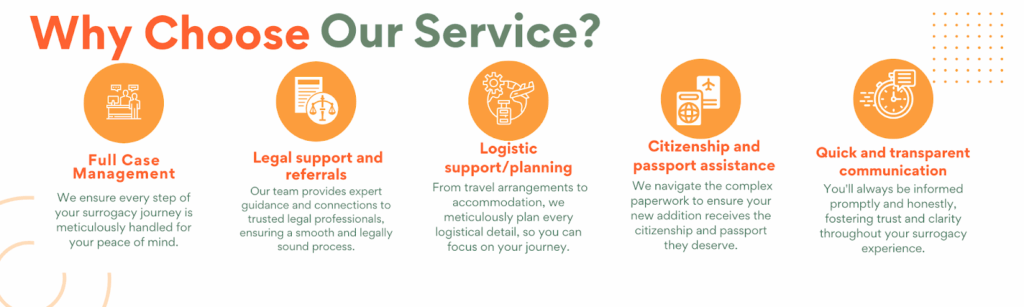
Why Intended Parents Choose Complete Surrogacy for a Safe, Smooth & Successful Surrogacy Journey:
 Access to multiple surrogacy destinations with 15+ years of international experience
 Partnerships with top-tier fertility clinics and agencies, backed by references from past clients
 Diverse egg donor options: Asian, Caucasian, African, Oriental, and more
 Transparent and affordable pricing—direct payments with no extra agency fees
 No hidden costs—all charges are agreed upon upfront
 Dedicated case manager for personalized support
 Fast, honest, and clear communication throughout
 Full legal support for visas, documentation, and baby exit processes
FAQ-What to do after Embryo Transfer
How soon after embryo transfer can I take a pregnancy test?
Your fertility clinic might suggest a blood test 10-14 days after the transfer. Home tests are available, but blood tests are more accurate. They check hormone levels for early pregnancy detection.
Is bed rest necessary after embryo transfer?
No, complete bed rest is not advised anymore. Instead, do light activities and gentle movements. Short walks and relaxation are okay, but avoid hard exercise or heavy lifting.
What foods should I eat to support embryo implantation?
Eat foods rich in nutrients like leafy greens, lean proteins, and whole grains. Include spinach, eggs, nuts, and fruits. Avoid raw meats, unpasteurized dairy, and high-mercury fish. Stay hydrated and consider supplements as advised by your healthcare provider.
Can stress affect embryo implantation?
Yes, stress can affect fertility and implantation. Use stress-reducing techniques like meditation, yoga, and deep breathing. Keeping calm and positive is important during this time.
What symptoms indicate successful implantation?
Look for mild cramping, light spotting, breast tenderness, and slight temperature changes. Remember, these signs vary and not seeing them doesn’t mean implantation failed.
How long should I continue progesterone supplements?
Your fertility specialist will tell you how long to take progesterone. It usually goes on for weeks after the transfer, until an ultrasound confirms pregnancy. They’ll guide you based on your treatment plan.
Are there any activities I should avoid after embryo transfer?
Stay away from high-impact exercises, hot tubs, saunas, heavy lifting, and extreme temperatures. Keep stress low, rest well, and stay active but not too much. Always check with your healthcare provider for advice tailored to you.
How can I support my body during the two-week wait?
Practice gentle self-care by eating well, reducing stress, sleeping enough, staying hydrated, and following your doctor’s advice. Try not to overthink and create a calm, supportive environment.
When should I contact my doctor after embryo transfer?
Call your healthcare provider if you have severe pain, heavy bleeding, high fever, or unusual symptoms. Quick contact helps address any issues promptly during this critical time.
Can acupuncture or alternative therapies help with embryo implantation?
Some studies suggest acupuncture might help with fertility, but results are mixed. Always talk to your fertility specialist before trying alternative therapies to ensure they’re safe and fit your treatment plan.

Highly esteemed, authoritative, and trusted professional with a 14-year of experience in international surrogacy. Advocate for Secure, Legal, and Affordable International Surrogacy.
Neelam Chhagani, MA (Counselling Psychology) and Holistic Infertility and Third-Party Reproduction Consultant.
Member of European Fertility Society, Best Surrogacy Blogger of 2020, with 300 dedicated blogs, and top contributor on Quora for Surrogacy.
Add Your Comment