
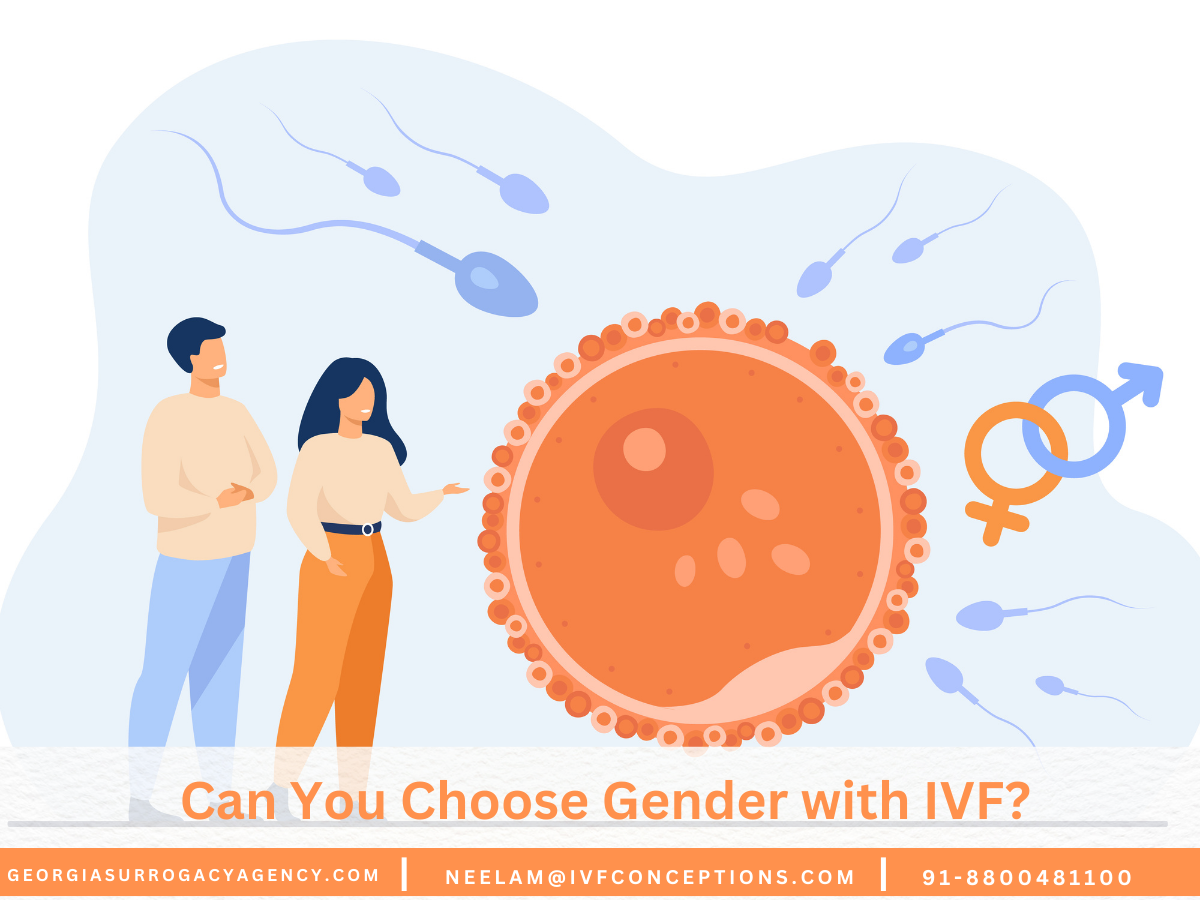
Ever thought about picking your future child’s gender with modern tech? In the world of gender selection IVF, this is now a real option. Advances in reproductive medicine have changed how parents plan their families.
IVF gender selection is a new way to start a family. It lets parents choose their child’s sex through preimplantation genetic testing (PGT). This method lets doctors check embryos before they’re implanted, giving parents new choices.
The science behind choosing a child’s gender with IVF is both complex and interesting. Doctors can find out an embryo’s sex by looking at genetic markers. This technology is important for families with health concerns or those wanting a specific gender.
Key Takeaways
- IVF allows precise gender selection through advanced genetic testing
- Preimplantation genetic testing enables embryo sex identification
- Gender selection offers options for medical and personal family planning
- Technological advances have made gender selection increasingly accurate
- Ethical considerations remain an important part of the gender selection discussion
 Get in Touch for a Free Surrogacy Consultation

 +91-8800481100 (WhatsApp | LINE | Viber)
 neelam@ivfconceptions.com
 www.georgiasurrogacyagency.com
Understanding Gender Selection Through IVF: The Basics
Reproductive technology has changed how we plan families. Preimplantation genetic testing (PGT) is a key part of IVF sex selection. It gives us deep insights into embryo genetics.
Genetic screening in IVF lets parents know about embryo traits before implantation. This method has many benefits for those wanting to choose their child’s gender.
What is Preimplantation Genetic Testing?
Preimplantation genetic testing is a detailed screening in IVF. It checks embryos for genetic issues. The steps include:
- Extracting cells from embryos created through IVF
- Analyzing chromosomal makeup
- Identifying possible genetic disorders
- Picking the healthiest embryos for transfer
Sex vs. Gender Selection: Understanding the Difference
Sex and gender selection are not the same in reproductive medicine. Sex selection is about identifying biological traits. Gender is about social and personal identity.
Success Rates and Accuracy
PGT for gender selection is very precise. The accuracy of chromosomal tests is almost 100% with skilled specialists.
| PGT Type | Purpose | Accuracy Rate |
|---|---|---|
| PGT-A | Chromosome Number Screening | 99.5% |
| PGT-M | Specific Genetic Disorder Detection | 98% |
| PGT-SR | Structural Chromosome Rearrangement | 97% |
“Genetic screening provides unprecedented insights into embryo health and possible traits.” – Reproductive Medicine Association
Parents thinking about IVF sex selection should talk to genetic counselors. They can explain the full impact of these advanced techniques.
Can You Choose Gender with IVF: The Process Explained

Sex selection through IVF is a complex medical method for parents who want to choose their baby’s gender. It involves many steps that make genetic screening very precise for picking the right embryo.
The IVF gender selection techniques start with detailed medical checks and tests to see if someone can have kids. First, patients talk to doctors to learn about the gender selection process through IVF.
- Initial fertility consultation and medical evaluation
- Ovarian stimulation with targeted hormone treatments
- Egg retrieval through minimally invasive procedures
- Sperm collection and laboratory fertilization
- Genetic testing and chromosomal analysis
Preimplantation Genetic Testing (PGT) is key in choosing the gender. Here, experts look at the chromosomes of embryos to find out their sex.
The latest methods in gender selection through IVF use PGT-A screening. This lets doctors find embryos with the right genetic makeup. This way, parents can pick the embryos they want before they are transferred.
Modern reproductive technology provides unprecedented precision in genetic screening and embryo selection.
After the genetic tests, doctors show patients which embryos are good to go. Then, parents decide which ones to transfer. This choice helps them achieve their family planning goals.
- Embryo transfer occurs under strict medical supervision
- Successful implantation leads to pregnancy confirmation
- Follow-up monitoring ensures optimal health outcomes
The whole process of choosing gender with IVF takes a few weeks. It needs patience, medical skill, and teamwork between patients and doctors.
Medical and Non-Medical Reasons for Gender Selection

Families thinking about sex selection through IVF face many choices. They consider medical needs, family balance, and personal wishes. These decisions are deeply personal and complex.
Preventing Genetic Disorders
Sex selection can help families with genetic risks. Some diseases are linked to the X or Y chromosome. Choosing the gender can protect against these conditions.
- X-linked genetic conditions like hemophilia
- Muscular dystrophy affects male children
- Rare chromosomal disorders with sex-specific manifestations
Family Balancing Options
IVF can help families balance their gender mix. It lets parents choose the gender of their next child. This way, they can create the family they want.
- Creating gender diversity in existing families
- Fulfilling personal family planning goals
- Emotional satisfaction of having children of different genders
Cultural and Personal Preferences
Choosing gender for non-medical reasons is a personal choice. It’s a complex decision influenced by culture, emotions, and individual desires. These choices are often controversial.
But, they are rooted in deep personal and cultural reasons. Families must weigh their desires against societal and medical guidelines. This is a sensitive topic.
The Step-by-Step IVF Gender Selection Journey
The IVF gender selection process is a detailed medical journey. It gives parents control over their reproductive choices. This method involves many steps to ensure precision and success.
Those interested in genetic selection start with a detailed consultation. Here, doctors assess each situation and talk about the procedure’s outcomes.
- Initial genetic counseling and medical screening
- Comprehensive fertility assessment
- Detailed discussion of sperm sorting techniques
- Informed consent and treatment planning
The main steps of the IVF gender selection process are:
- Ovarian Stimulation: Fertility meds help produce many eggs
- Egg Retrieval: Eggs are carefully taken from the ovaries
- Fertilization: Eggs are fertilized in a lab using advanced tech
- Preimplantation Genetic Testing (PGT): Genes of embryos are screened
- Embryo Selection: Embryos are chosen based on their genes
- Embryo Transfer: Selected embryos are placed in the uterus
Today, genetic screening is preferred over sperm sorting. PGT lets doctors pick embryos with the right genes. This makes gender selection more accurate.
Genetic selection is a big step in reproductive medicine. It gives deep insights into embryo health and possibilities.
It’s important for patients to know the process’s benefits and challenges. It involves complex medical, ethical, and financial aspects.
Legal and Ethical Considerations in Gender Selection
The rules on IVF gender selection vary a lot around the world. Understanding the medical, legal, and moral sides of this issue is key.
Choosing the gender of a child through IVF brings up big questions. Laws on this topic show how societies think about medical ethics and personal freedom.
Global Perspectives on Gender Selection
How countries view gender selection is different:
- United States: Pretty open with few rules
- Canada has strict rules against non-medical gender selection
- European Union: Tends to be more strict, focusing on medical reasons
- Middle Eastern countries: Rules vary based on culture and religion
Ethical Debates and Professional Guidelines
Doctors and ethicists are facing big questions about gender selection. The main worries are:
- It could lead to gender bias
- It might cause unbalanced demographics
- It could affect children’s mental health
- It might make reproduction seem like a product
Professional Recommendations
Medical groups usually suggest strict rules for gender selection. They focus on:
- Medical need is the main reason
- Genetic counseling
- Psychological checks
- Clear consent processes
The mix of reproductive tech and personal choice is pushing the limits of ethics.
Cost and Success Rates of Gender Selection IVF
It’s important for parents-to-be to know the cost and success chances of IVF gender selection. The cost can be between $15,000 and $30,000. This depends on where the clinic is, how complex the genetic tests are, and the patient’s health needs.
Success rates for choosing the baby’s sex are very high. They can be almost 100% with skilled doctors. Success depends on:
- How good are the genetic tests?
- The patient’s age and health
- The type of genetic screening used
- The clinic’s experience with genetic testing
Clinics that focus on gender selection success rates give detailed reports. Patients should look at these reports and ask for detailed talks to understand what to expect.
When thinking about the cost of gender selection IVF, consider:
- First meeting fees
- Costs for genetic tests
- IVF treatment costs
- Maybe needing to try more than once
- Extra genetic tests
Parents should plan for the possibility of needing to try more than once. Success rates can change based on many factors. Choosing a well-known clinic with clear prices and good results is key to getting what you want.
Expert reproductive specialists say it’s smart to do your homework and get all the information before starting gender selection IVF.
Additional Resources to read:
Best countries for Egg donor IVF
Best IVF Doctors in Delhi, India
IVF and Surrogacy Costs Explained
IVF Terminology and IVF Acronym 101
Conclusion
Choosing the sex of your baby with IVF is a complex process. It gives parents control over their family planning. This involves detailed medical steps, genetic tests, and thinking about many factors.
When it comes to IVF and choosing the gender, talking to reproductive experts is key. They help navigate the medical, ethical, and legal sides. Families must consider the benefits, like avoiding genetic issues, and the ethical aspects of making these choices.
IVF methods for family balancing are getting better, thanks to new genetic tests and medical advances. Parents-to-be need to do their homework, get expert advice, and understand the emotional and financial costs.
Gender selection is a personal choice that’s getting more advanced. It’s important for patients to get thorough medical checks, know the risks, and talk to genetic counselors. This way, they can make choices that fit their family plans.
Why Intended Parents Choose Complete Surrogacy for a Safe, Smooth & Successful Surrogacy Journey:
 Access to multiple surrogacy destinations with 15+ years of international experience
 Partnerships with top-tier fertility clinics and agencies, backed by references from past clients
 Diverse egg donor options: Asian, Caucasian, African, Oriental, and more
 Transparent and affordable pricing—direct payments with no extra agency fees
 No hidden costs—all charges are agreed upon upfront
 Dedicated case manager for personalized support
 Fast, honest, and clear communication throughout
 Full legal support for visas, documentation, and baby exit processes

FAQ for Can You Choose Gender with IVF
Is gender selection through IVF 100% guaranteed?
No medical procedure is 100% guaranteed. But, gender selection through IVF is very successful, over 99% when done by experts. The quality of the embryo and the mother’s health also play a role.
How much does gender selection IVF cost?
Gender selection IVF costs more than regular IVF, from $15,000 to $30,000 per try. This includes genetic testing and the IVF process. The final cost can change based on how many tries it takes and where you go.
Are there legal restrictions on gender selection?
Laws on gender selection vary by country. In the U.S., it’s mostly okay for non-medical reasons. But, some places ban it. Always check the laws and medical advice before trying gender selection.
What medical conditions can be prevented through gender selection?
Gender selection can prevent diseases like Hemophilia and Duchenne Muscular Dystrophy. It helps by picking embryos without certain genetic traits. This way, parents can lower the risk of passing on these conditions.
How long does the entire gender selection IVF process take?
The whole process takes about 4-6 weeks. It includes getting ready for the eggs, egg retrieval, fertilization, testing, and picking the embryo. Times can vary based on the medical plan and the patient’s situation.
Can gender selection be used for family balancing?
Yes, it’s a big reason for choosing gender selection. Couples with kids of one sex might want the other. But, it’s a big decision that involves ethics and personal reasons.
What is the difference between sex selection and gender selection?
Sex selection finds out the embryo’s biological sex, like XX (female) or XY (male). Gender selection is broader, about picking the embryo’s sex, but doesn’t decide gender identity. Gender identity is a personal thing that develops later.
Are there alternative methods to PGT for gender selection?
Yes, like sperm sorting. But, PGT is the most accurate and reliable. Other methods, like MicroSort, have lower success rates and are less used today.
What are the possible risks of gender selection IVF?
Risks include the usual IVF problems like ovarian hyperstimulation and multiple pregnancies. There’s also emotional stress and ethical concerns about choosing genetic traits. These can affect society in the long run.
How successful is gender selection IVF for older patients?
Success rates drop with age, as does fertility and embryo quality. After 35, it gets harder. Doctors can give advice based on your health and past fertility.

Highly esteemed, authoritative, and trusted professional with a 14-year of experience in international surrogacy. Advocate for Secure, Legal, and Affordable International Surrogacy.
Neelam Chhagani, MA (Counselling Psychology) and Holistic Infertility and Third-Party Reproduction Consultant.
Member of European Fertility Society, Best Surrogacy Blogger of 2020, with 300 dedicated blogs, and top contributor on Quora for Surrogacy.
Add Your Comment