
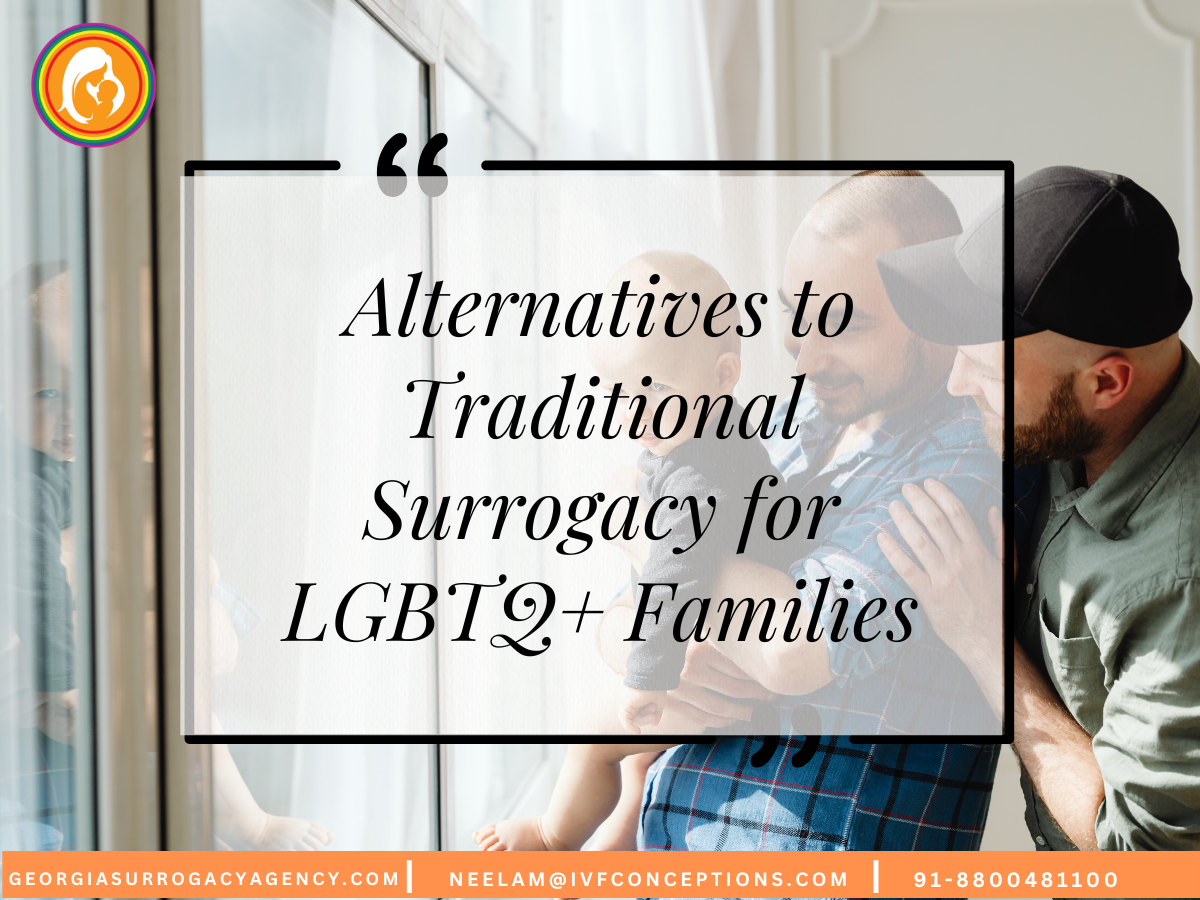
Alternatives to traditional surrogacy for LGBTQ+ families have become increasingly important as more same-sex couples and individuals seek inclusive, affordable, and legally supported paths to parenthood. While traditional surrogacy may not always be legally recognized or accessible in every country, there are several safe and ethical options available.
These include gestational surrogacy, adoption, co-parenting arrangements, embryo donation, and fertility preservation. Each alternative offers unique benefits depending on family goals, legal frameworks, and medical possibilities, empowering LGBTQ+ parents to build families with confidence and care.
Have you ever thought about other ways for LGBTQ+ families to build their families? As society becomes more accepting, many same-sex couples are looking for new ways to become parents. This article will look at modern ways to start a family, like In Vitro Fertilization (IVF) and different surrogacy options for LGBTQ+ families.
We will also talk about the challenges these families face. We want to make sure you know about all the options to help you achieve your dream of becoming a parent.
Key Takeaways
- Understanding alternatives to traditional surrogacy can expand options for LGBTQ+ families.
- LGBTQ+ surrogacy options include both gestational and reciprocal methods.
- Diverse surrogacy options are influenced by legal, social, and personal factors.
- Modern family planning for LGBTQ+ often involves innovative reproductive technologies.
- Access to supportive resources is key in navigating the surrogacy journey.
📞 Get in Touch for a Free Surrogacy Consultation
📱 +91-8800481100 (WhatsApp | LINE | Viber)
📧 neelam@ivfconceptions.com
🌐 www.georgiasurrogacyagency.com
Understanding the Unique Challenges of LGBTQ+ Family Building
LGBTQ+ families face many challenges when building their families. Knowing these challenges helps us understand the obstacles they may meet. It’s important to be aware of these issues.
The Influence of Social Stigma and Discrimination
Social stigma affects LGBTQ+ families trying to build their families. Negative views and stereotypes can lead to unfair treatment in healthcare. This makes it hard for couples to find supportive doctors and services.
Legal issues add to the complexity for LGBTQ+ families. Laws about parental rights vary by state, causing uncertainty. It’s key to understand local laws. Financial hurdles also exist, with high costs for fertility treatments and limited insurance. This requires careful budgeting.
| Challenges | Description |
|---|---|
| Social Stigma | Negative perceptions are affecting access to services and support. |
| Discrimination | Barriers to fertility care based on sexual orientation or identity. |
| Legal Issues | Varied parental rights and regulations by state. |
| Financial Challenges | High costs of treatments with limited insurance coverage. |
Exploring Fertility Treatments for Same-Sex Couples
Fertility treatments help same-sex couples grow their families. There are many options, each suited for different needs. Knowing about these methods helps LGBTQ+ families make better choices for their reproductive journey.
Intrauterine Insemination (IUI)
Intrauterine Insemination is a favorite among same-sex couples. It’s less invasive and affordable. Here’s how it works:
- Donor sperm is placed directly into the uterus during ovulation.
- It boosts the chance of getting pregnant without many complications.
- It’s simpler than other methods.
IN VITRO FERTILIZATION (IVF)
IVF is another key option for LGBTQ+ families. It involves fertilizing eggs outside the body. IVF has several benefits:
- It includes steps like egg retrieval, fertilization, and embryo transfer.
- It allows for customization to fit family goals.
- It lets families choose genetic connections through donors.
Learning about fertility treatments helps same-sex couples plan their family growth. Advances in reproductive technology open new ways for them to become parents.
Innovative Surrogacy Options for LGBT Couples
Innovative surrogacy options for LGBTQ+ couples offer unique ways to build families. These options reflect their identities and values. They ensure same-sex couples feel supported during the process.
Gestational Surrogacy Explained
Gestational surrogacy means a surrogate carries a pregnancy made from donor sperm and eggs. Or, it’s made from one partner’s sperm and the other’s eggs. This way, the surrogate has no genetic link to the child.
Knowing the benefits of gestational surrogacy can make the journey to parenthood smoother. The surrogate carries the pregnancy. This lets you create a family without confusion about genetic ties. It also makes legal aspects simpler and strengthens your bond with your child.
Reciprocal IVF: Sharing the Journey
Reciprocal IVF lets both partners contribute biologically to their child’s creation. One partner donates eggs, and the other carries the pregnancy. This creates a strong bond between parents and child.
This method shows the importance of inclusive family planning for LGBTQ+ individuals. It lets both partners be involved in creating and caring for their child. This way, they build a strong sense of unity and connection on their journey to parenthood.

Alternatives to Traditional Surrogacy for LGBTQ+ Families
LGBTQ+ individuals often look for family-building options that match their values and needs. There are many non-traditional surrogacy choices available. These options are great for those wanting to build a family in a supportive and ethical way.
Non-Traditional Surrogacy Choices Explained
Non-traditional surrogacy models, like gestational surrogacy, have big advantages. They involve a surrogate carrying a child made through IVF. The child’s eggs and sperm come from the intended parents or donors.
This model is appealing because there’s no biological link between the surrogate and the child. This can make legal issues simpler.
Benefits of Gestational Surrogacy
Understanding the benefits of gestational surrogacy helps LGBTQ+ couples make better choices. Some key benefits include:
- Clear Legal Framework: Gestational surrogacy makes legal agreements clearer. Intended parents have a clear parentage.
- Genetic Choice: Parents can choose their egg and sperm donors. This gives them control over genetics and health.
- Emotional Clarity: There are fewer emotional complexities. This can make the surrogacy experience healthier for everyone.
Comparing Traditional and Non-Traditional Options
Comparing surrogacy models shows big differences that affect LGBTQ+ families. Traditional surrogacy can have emotional and legal challenges because of the biological link. Non-traditional surrogacy, on the other hand, is clearer and has fewer complications. It’s becoming a more popular choice.

Egg and Sperm Donation: A Path to Parenthood
For LGBTQ+ couples wanting to grow their families, learning about egg and sperm donation is key. This journey lets them choose between known and anonymous donors. Each option has its own benefits and things to think about.
Choosing a Donor: Known vs. Anonymous
Choosing a donor is a big decision. Known donors, like friends or family, bring a personal touch. They can help build a closer family bond. On the other hand, anonymous donors from sperm banks or egg services focus on privacy. They also get thorough health checks to ensure they meet the highest standards.
Legal Considerations in Donor Agreements
It’s vital to have clear legal agreements for donors. Parents must define who has rights and responsibilities. It’s important to make sure everyone knows their role, which helps avoid future problems. For LGBTQ+ families, a solid agreement can create a safe and stable environment.
| Aspect | Known Donors | Anonymous Donors |
|---|---|---|
| Connection | Personal and emotional ties | No personal connection, privacy maintained |
| Health Screening | Varies, may depend on personal knowledge | Comprehensive pre-screening guaranteed |
| Future Contact | Potential for an ongoing relationship | No possibility of future contact |
| Legal Rights | Need clear agreements to define roles | Legal agreements are necessary to clarify the donor’s status |
Finding Support and Resources for LGBTQ+ Families
Building a family today is a journey full of change. Finding the right support is key for LGBTQ+ families. Connecting with the right resources can make the journey better and help families feel part of a community.
There are many places where families can find help, advice, and friends. These places are there to support families every step of the way.
Working with LGBTQ+-Friendly Fertility Clinics
Choosing LGBTQ+-friendly fertility clinics is important. These clinics know how to help LGBTQ+ individuals and couples. They offer a safe place for fertility treatments, without fear of being judged.
They provide services like surrogacy consultations and fertility assessments. These services are designed to meet the needs of LGBTQ+ families.
Connecting with Support Groups and Community Resources
Support groups for LGBTQ+ families are very helpful. They offer emotional support, advice, and shared experiences. This creates a network that understands the challenges faced by families.
There are also community resources for LGBTQ+ parents. These include workshops, legal advice, and information on parenting rights. Using these resources empowers families and builds a sense of community.
Additional Resources to Read:
Gay Surrogacy Cost in Colombia (2025)
Surrogacy for LGBT Couples (2025)
Conclusion
The world of building families for LGBTQ+ couples is changing. Now, there are many ways to start a family, not just traditional surrogacy. Options like gestational surrogacy and using donated eggs or sperm open up new paths for parents.
These new ways help LGBTQ+ parents find what works best for them. They show how important it is to be inclusive and understanding in family life.
Starting your family journey is exciting. It’s key to know about the support for LGBTQ+ families out there. LGBTQ+-friendly fertility clinics and community groups offer great help and support.
By learning about your options and using these resources, you can feel more confident and happy. This makes your journey to becoming a parent a positive one.
Every family is unique. Celebrating these differences makes parenting better for LGBTQ+ individuals. With the right support, you can create a loving home for your children.
This home will be filled with love and a sense of belonging. It’s a place where your children can thrive and feel loved.
💫 Why Intended Parents Choose Complete Surrogacy for a Safe, Smooth & Successful Surrogacy Journey:
🌍 Access to multiple surrogacy destinations with 15+ years of international experience
🏥 Partnerships with top-tier fertility clinics and agencies, backed by references from past clients
👩🦱 Diverse egg donor options: Asian, Caucasian, African, Oriental, and more
💸 Transparent and affordable pricing—direct payments with no extra agency fees
🔒 No hidden costs—all charges are agreed upon upfront
🤝 Dedicated case manager for personalized support
📲 Fast, honest, and clear communication throughout
📑 Full legal support for visas, documentation, and baby exit processes
🚚 Assistance with frozen sperm/embryo shipment logistics

FAQ for Alternatives to Traditional Surrogacy for LGBTQ+ Families
What are the main alternatives to traditional surrogacy for LGBTQ+ families?
LGBTQ+ families have several options. They can choose gestational surrogacy, where a surrogate carries an embryo from donor eggs and sperm. Another option is reciprocal IVF, where one partner provides the eggs and the other carries the pregnancy. They can also use egg and sperm donation from known or anonymous donors. These choices help families align with their identities and goals.
What is gestational surrogacy, and how does it differ from traditional surrogacy?
Gestational surrogacy means a surrogate carries a pregnancy from donor eggs and sperm. This way, the surrogate has no genetic link to the child. Traditional surrogacy, on the other hand, uses the surrogate’s own eggs, leading to legal and emotional complexities. Gestational surrogacy is generally simpler legally.
What is reciprocal IVF, and how does it benefit LGBTQ+ couples?
Reciprocal IVF lets both partners in a same-sex female couple be biologically connected to the child. One partner donates the eggs, and the other carries the pregnancy. This method strengthens emotional bonds and promotes inclusivity in building families.
What challenges do LGBTQ+ families face in the family-building process?
LGBTQ+ families often face stigma and discrimination. This can limit their access to fertility services and medical care. Legal frameworks vary by state, making parental rights and planning complex. Financial burdens also restrict access to treatments.
How can LGBTQ+ couples navigate legal considerations in donor agreements?
It’s vital to have clear legal agreements about parental rights and responsibilities with donors. Consulting with a legal expert in LGBTQ+ family law is key. This ensures all parties are protected and avoids future complications.
What role do LGBTQ+-friendly fertility clinics play in the family-building process?
LGBTQ+-friendly fertility clinics offer services tailored to LGBTQ+ families. They provide a respectful environment and understand the unique challenges these families face. These clinics guide clients through their journey with compassion and expertise.
Are there support groups available for LGBTQ+ families navigating fertility treatments?
Yes, there are many support groups and resources for LGBTQ+ families. These networks offer emotional support, share experiences, and provide practical advice. They help families feel connected and understood.

Highly esteemed, authoritative, and trusted professional with a 14-year of experience in international surrogacy. Advocate for Secure, Legal, and Affordable International Surrogacy.
Neelam Chhagani, MA (Counselling Psychology) and Holistic Infertility and Third-Party Reproduction Consultant.
Member of European Fertility Society, Best Surrogacy Blogger of 2020, with 300 dedicated blogs, and top contributor on Quora for Surrogacy.
Add Your Comment