
Surrogacy with egg donation vs using your own eggs is a key decision that shapes both the medical process and the emotional journey for intended parents. Using your own eggs allows for a biological connection but may require strong ovarian health, successful stimulation, and high-quality embryos—factors that can be challenging with age or certain medical conditions.
Egg donation, on the other hand, offers higher success rates, especially for women with low ovarian reserve, genetic concerns, or previous IVF failures. This comparison helps parents understand the benefits, limitations, success rates, and emotional considerations of each option so they can choose the path that best supports a healthy pregnancy and their long-term family goals.
Key Takeaways
- Understanding the differences between surrogacy options is essential for informed decision-making.
- Success rates can vary between using your own eggs and opting for an egg donor.
- Evaluate personal feelings and circumstances when considering egg donation.
- Awareness of the financial implications is vital in planning your surrogacy journey.
- Both pathways can lead to successful family building with the right approach.
📞 Get in Touch for a Free Surrogacy Consultation
📱 +91-8800481100 (WhatsApp | LINE | Viber)
📧 neelam@ivfconceptions.com
🌐 www.georgiasurrogacyagency.com
Understanding Surrogacy Options
For those looking to start a family, exploring surrogacy is a key step. It’s important to understand the options available. Surrogacy falls into two main types: traditional and gestational. Traditional surrogacy involves the surrogate using her own eggs. In contrast, gestational surrogacy uses an embryo created from the intended parents’ or donors’ genetic material.
Gestational surrogacy is more common today. This is due to gestational surrogacy insights that show its emotional and legal benefits. It offers a more controlled and personalized experience for the intended parents.
Advances in reproductive technologies, like IVF, have made surrogacy more accessible. This allows intended parents to choose their embryos, boosting Surrogacy success rates. When considering surrogacy, it’s vital to think about legal aspects and the surrogate’s health screening. The emotional journey of the surrogate is also a significant part of the third-party reproduction experience.
In summary, knowing the differences between surrogacy types helps you make better choices. Staying updated on gestational surrogacy trends can make your journey smoother.
What Is Surrogacy with Egg Donation?
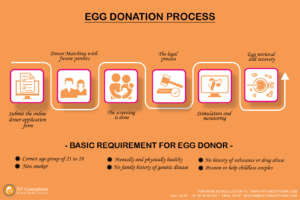
Surrogacy with egg donation is a unique reproductive choice. It allows intended parents to start a family with the help of a donor. The donor’s eggs are fertilized with sperm through advanced technologies, creating embryos. These embryos are then transferred to a gestational surrogate, who carries the pregnancy to term.
This option is vital for those facing fertility challenges. These challenges include advanced maternal age, diminished ovarian reserve, or genetic conditions. Using donor eggs can greatly increase the chances of a successful conception and a healthy pregnancy.
Understanding this process is key. It involves both medical and emotional considerations. Talking to fertility specialists can offer valuable insights into navigating surrogacy with egg donation.
Surrogacy with Egg Donation vs Using Your Own Eggs
When exploring surrogacy options, the decision between donor eggs and one’s own is critical. Various factors, such as health, age, emotional readiness, and genetic considerations, influence this choice. Understanding these elements can help make a decision that aligns with personal or couple goals in building a family.
Factors Influencing Your Decision
Deciding between donor eggs and one’s own requires a thorough evaluation of personal circumstances. Key considerations include:
- Personal Health Challenges: Health issues can impact egg viability, raising concerns about conceiving with one’s own eggs.
- Age-Related Fertility Issues: Fertility declines with age, making donor eggs a more appealing option for older prospective mothers.
- Emotional Readiness: Some individuals may struggle with the emotional aspect of using donor eggs, affecting their decision.
- Genetic Risks: Certain genetic factors could push individuals towards utilizing donor eggs to eliminate risks.
Success Rates Comparison
Statistical data show that surrogacy success rates vary based on egg choice. Research indicates that using donor eggs often results in higher success rates than using one’s own eggs. This disparity is due to age-related issues, as egg quality decreases with age, affecting embryo viability. A fertility treatment comparison reveals that donor eggs may offer a more reliable path to successful pregnancies for many prospective parents.
Exploring the Benefits of Egg Donation

Choosing egg donation as a path to surrogacy offers numerous advantages. The most noteworthy among these is the enhanced success rates associated with using high-quality eggs from younger donors. This decision may provide a better chance of achieving a successful pregnancy. It makes it an appealing option for those experiencing fertility challenges.
Enhanced Success Rates
Surrogacy egg donation success rates are often higher than traditional methods, mainly due to the quality of the eggs used. Younger donors typically possess healthier eggs. This can lead to improved embryo development and implantation. Data shows that success rates can exceed 60% per cycle, depending on various factors.
Couples opting for egg donation often find that this aspect significantly encourages their journey toward parenthood.
Genetic Considerations
Egg donation allows intended parents to bypass genetic issues that may be carried by their own eggs. By choosing a healthy donor, individuals can significantly reduce the risk of hereditary disorders affecting their children. Genetic considerations play a critical role in surrogacy decisions, especially for those with known family health issues.
This added layer of assurance contributes to the peace of mind many seek during their surrogacy experience.
Using Your Own Eggs in Surrogacy
Deciding to use your own eggs in surrogacy requires careful consideration. Partners need to understand the risks and challenges involved. The quality of a woman’s eggs can greatly impact the success of the pregnancy. Grasping how these elements interact is key to making informed choices.
Potential Risks and Challenges
The age of the woman is a critical factor in surrogacy success. Recognizing the risks associated with using own eggs is vital. Women over 35 often see a decline in egg quality. This can lead to lower chances of successful fertilization and embryo development.
- Increased risk of miscarriage: As age increases, so does the risk of miscarriage.
- Hormonal imbalances: Issues like PCOS can affect egg quality and fertility.
- Diminished ovarian reserve: Many women experience a decrease in egg supply, complicating surrogacy.
Age and Egg Quality Impact
The effect of age on egg quality is profound. Fertility declines significantly after 35. This decline impacts egg quality. It’s vital to monitor these factors for those considering using their own eggs. Discussing these aspects with healthcare providers helps understand and manage associated risks.
| Age Range | Egg Quality | Success Rate of Fertilization | Miscarriage Risk |
|---|---|---|---|
| Under 30 | High | Over 70% | Less than 10% |
| 30-34 | Good | 65-70% | 10-15% |
| 35-39 | Moderate | 50-65% | 15-20% |
| 40+ | Low | Less than 50% | 20-30% |
Surrogacy Cost Considerations
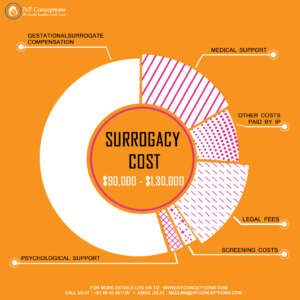
Understanding the financial aspects of surrogacy is key for prospective parents. The choice between using your own eggs or surrogacy egg donation can significantly impact your budget. It’s important to evaluate these costs and consider fertility treatment options to plan your journey effectively.
Financial Aspects of Egg Donation
Choosing surrogacy through egg donation involves several financial considerations. The costs typically include:
- Donor compensation
- Medical expenses for egg retrieval
- Legal fees for agreements
- Expenses for fertility clinic procedures
These costs can add up, often making egg donation more expensive than using your own eggs. Fortunately, many clinics offer financing options and payment plans to help manage these expenses.
Costs Involved in Using Your Own Eggs
Using your own eggs in surrogacy comes with different financial implications. The costs might include:
- In vitro fertilization (IVF) fees
- Medications for egg stimulation
- Potential additional treatments for fertility enhancement
While these costs are generally lower than those for egg donation, age-related factors affecting egg quality and success rates must be considered. Developing a financial strategy that takes these factors into account is critical for prospective parents.
| Cost Factors | Egg Donation | Using Own Eggs |
|---|---|---|
| Donor Compensation | Yes | No |
| Medical Expenses | Higher | Lower |
| Legal Fees | Yes | No |
| IVF Fees | Included | Yes |
| Insurance Coverage | Varies | Possible Coverage |
Advantages of Choosing an Egg Donor for Your Surrogacy Journey
Opting for an egg donor brings substantial benefits to those starting their surrogacy journey. The key to a successful surrogacy often lies in selecting a healthy, compatible donor. By choosing donors who meet rigorous health and genetic standards, parents can boost their chances of a successful pregnancy.
The process of selecting an egg donor is thorough, allowing parents to consider various factors. These include health history, lifestyle, and personal traits that align with their preferences. This personalized approach not only enhances success rates but also reduces emotional risks. It brings a sense of security and peace of mind to the surrogacy process.
Choosing an egg donor is a decision that reflects the emotional readiness of the intended parents. It enables them to approach the journey with positivity, focusing on building a nurturing relationship with their future child.
Additional Resources to read:
IVF Egg Donation in Georgia Country
Definitive Guide to Egg Donation
Choosing Between Fresh Egg Donation and Frozen Egg Bank
Conclusion
Understanding your reproductive medical options is key as you journey toward parenthood. The decision between surrogacy with egg donation and using your own eggs is not simple. It demands careful thought about your personal situation and medical considerations. Each choice comes with its own set of benefits and hurdles, making it vital to consider them thoroughly.
Surrogacy with egg donation might boost your chances of a successful pregnancy. It allows you to use younger, healthier eggs. On the other hand, using your own eggs could give you a closer genetic link to your child. Yet, it also brings factors like age and egg quality into play, affecting your path.
Seeking advice from medical experts and support from loved ones can help you make informed choices. The intricacies of gestational surrogacy can be better managed with personalized guidance. This support aids in creating a family-building journey that matches your dreams and values.
💫 Why Intended Parents Choose Complete Surrogacy for a Safe, Smooth & Successful Surrogacy Journey:
🌍 Access to multiple surrogacy destinations with 15+ years of international experience
🏥 Partnerships with top-tier fertility clinics and agencies, backed by references from past clients
👩🦱 Diverse egg donor options: Asian, Caucasian, African, Oriental, and more
💸 Transparent and affordable pricing—direct payments with no extra agency fees
🔒 No hidden costs—all charges are agreed upon upfront
🤝 Dedicated case manager for personalized support
📲 Fast, honest, and clear communication throughout
📑 Full legal support for visas, documentation, and baby exit processes
🚚 Assistance with frozen sperm/embryo shipment logistics

FAQ: Surrogacy with Egg Donation vs Using Your Own Eggs
What is the difference between surrogacy with egg donation and using my own eggs?
Surrogacy with egg donation uses eggs from a donor, while using your own eggs means you produce them. This choice affects success rates, emotional readiness, and genetic considerations.
What are the success rates of surrogacy with egg donation compared to using my own eggs?
Donor eggs generally lead to higher success rates, which is more pronounced for women over 35. This is because younger, high-quality eggs are used, improving embryo viability. Fertility specialists can provide specific success rate data based on your situation.
What factors should I consider when deciding between egg donation and my own eggs?
Consider your age, health, emotional readiness for donor eggs, and genetic risks. A detailed discussion with healthcare professionals can help determine the best choice for your family.
What are the financial implications of choosing egg donation in surrogacy?
Egg donation is more expensive due to donor compensation, medical procedures, and legal agreements. Understanding these costs, including insurance and financing options, is essential for budgeting.
How does the egg donor selection process work?
The selection process evaluates donors based on health, genetics, lifestyle, and psychological assessments. This ensures intended parents choose a donor who aligns with their criteria for a healthy pregnancy.
What are the possible risks of using my own eggs in surrogacy?
Risks include declining egg quality with age, after 35, and health conditions like hormone imbalances. Discussing these with a reproductive specialist can clarify the implications for your situation.
What are the emotional considerations involved in using an egg donor?
Emotional readiness is key when considering egg donation. It involves grappling with genetic connections and parenting experiences. Counseling or support groups can aid in a healthier emotional journey.
How does using donor eggs reduce the risk of genetic disorders?
Using younger donor eggs lowers the risk of genetic disorders. This is because egg quality is generally better in younger donors. This benefit offers peace of mind for parents concerned about hereditary conditions.
Can I have a biological connection with my child if I use an egg donor?
While the child won’t be genetically related to the egg donor, using your sperm for fertilization establishes a biological connection. The emotional bond formed during pregnancy and parenting is also significant.

Highly esteemed, authoritative, and trusted professional with a 14-year of experience in international surrogacy. Advocate for Secure, Legal, and Affordable International Surrogacy.
Neelam Chhagani, MA (Counselling Psychology) and Holistic Infertility and Third-Party Reproduction Consultant.
Member of European Fertility Society, Best Surrogacy Blogger of 2020, with 300 dedicated blogs, and top contributor on Quora for Surrogacy.
Add Your Comment