
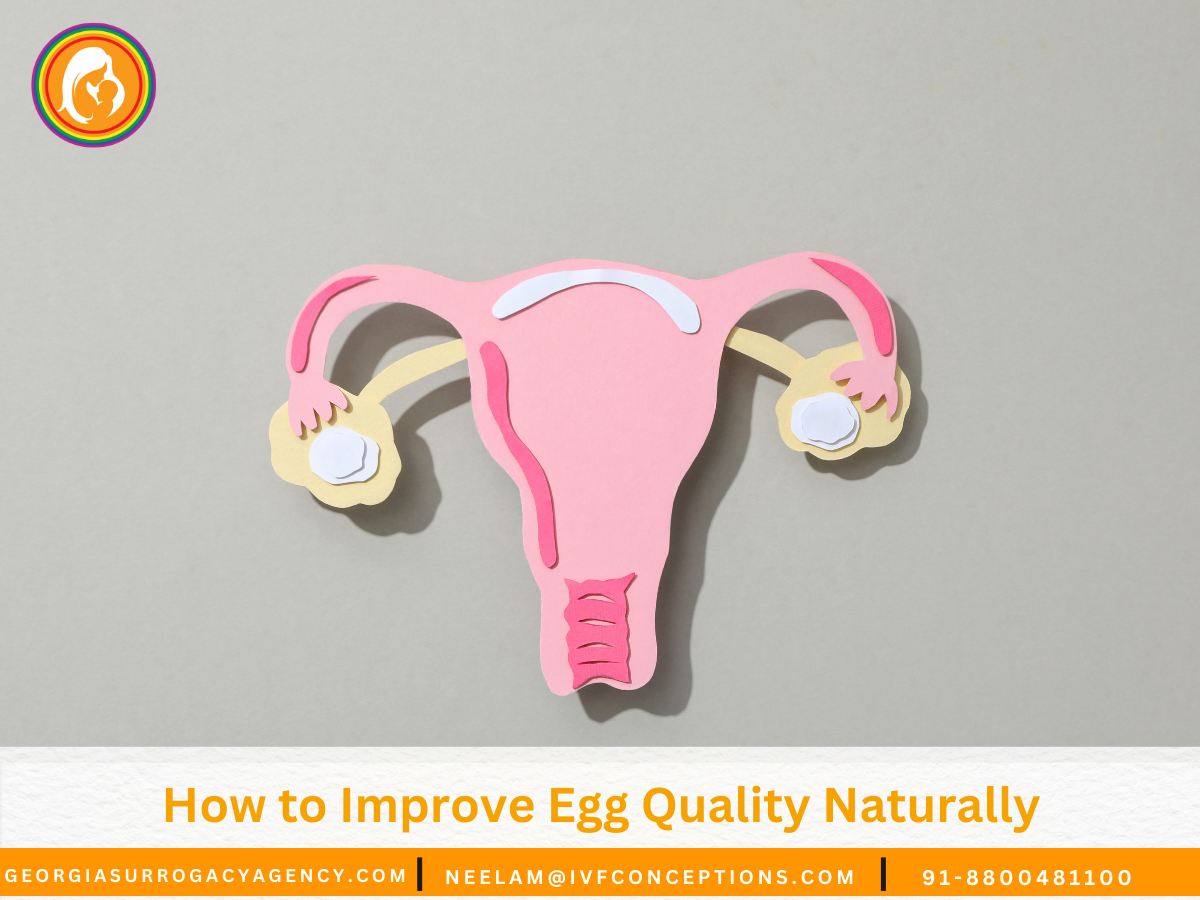
Focusing on how to improve egg quality naturally can make a meaningful difference in fertility, especially for women planning IVF or surrogacy in the future. A diet rich in antioxidants, leafy greens, healthy fats, and whole foods supports better cellular health in the ovaries, while supplements like CoQ10, vitamin D, omega-3s, and folate may enhance mitochondrial function and egg development.
Regular exercise, maintaining a healthy weight, and reducing stress through yoga or mindfulness help regulate hormones that impact ovulation. Avoiding smoking, excessive alcohol, and environmental toxins—like BPA from plastics—protects eggs from oxidative damage. Quality sleep and good hydration also promote better reproductive health, giving the body an optimal environment for nurturing healthier eggs.
Key Takeaways
- Egg quality strongly affects conception, embryo development, miscarriage risk, and IVF outcomes.
- Lifestyle changes and targeted nutrients can support healthier eggs, especially within the 90-day follicle window.
- Antioxidant-rich foods, omega-3 fats, and CoQ10 are commonly recommended to help reduce oxidative stress.
- Avoid smoking, limit alcohol and excessive caffeine, and prioritize sleep and stress management for better results.
- Track progress with AMH, antral follicle count, and ovulation monitoring, and consult a fertility provider to personalize care.
📞 Get in Touch for a Free Surrogacy Consultation
📱 +91-8800481100 (WhatsApp | LINE | Viber)
📧 neelam@ivfconceptions.com
🌐 www.georgiasurrogacyagency.com

Understanding Egg Quality and Why It Matters
Egg health is key in making fertility choices. Knowing what makes an egg good helps both patients and doctors. This part talks about how doctors check eggs, why these checks are important, and how lifestyle can help.
Definition and clinical importance of egg quality
Egg quality means how healthy and ready an egg is to be fertilized. Doctors look at this because good eggs lead to better chances of getting pregnant. This is true for both natural conception and fertility treatments.
How egg quality differs from egg quantity and ovarian reserve
Egg quantity is about how many eggs you have left. Doctors check this with blood tests or an ultrasound. But egg quality is about the health and genetics of those eggs. Even with many eggs, poor quality can still be a problem.
Impact of age on egg health and chromosomal normalcy
Age is a big factor in egg health. As women get older, their eggs are less likely to be healthy. This is because of changes in the cells and DNA. That’s why doctors often suggest checking and improving egg health early.
Common consequences of poor egg quality (miscarriage, IVF outcomes)
Poor egg quality can lead to miscarriage and lower success rates with IVF. It means fewer embryos are genetically normal. For older women, using donor eggs can be a better option. To improve egg quality, combining medical advice with natural methods is recommended.
| Concept | Main Measure | Clinical Impact |
|---|---|---|
| Egg quality | Genetic normalcy, cellular health | Drives embryo viability, implantation, reduces miscarriage |
| Egg quantity / ovarian reserve | AMH level, antral follicle count | Indicates remaining cycles and stimulation response |
| Age effect | Proportion of chromosomally normal eggs | Decline in success rates with advancing maternal age |
| Clinical choices | IVF, genetic testing, donor eggs | Options depend on balance of quality and quantity |
How to Improve Egg Quality Naturally
Small, targeted steps can make a big difference in egg quality. This section talks about the timing, what you can expect, and how to track progress. By planning, you can improve egg quality before trying to conceive.
Timeframe for change: the 90-day window of egg development
Eggs take about three months to mature fully. Doctors suggest starting a diet, supplements, and stress reduction 90 days before trying to get pregnant.
Changes during this time aim to reduce stress and support cell health. Acupuncture, exercise, and diet help the environment in the ovaries. They provide nutrients for cell membranes and DNA repair.
Realistic expectations: what lifestyle can and cannot change
Lifestyle changes can improve egg quality by lowering inflammation and boosting circulation. This increases the number of healthy eggs in a cycle. It also helps with fertility naturally.
However, age-related problems can’t be fully fixed by lifestyle. When age is a big factor, medical options like IVF or donor eggs are still important. A good plan combines lifestyle changes with medical advice.
Tracking progress: tests and biomarkers
Monitoring progress is key. AMH shows how many eggs you have, but not their quality. Antral follicle count by ultrasound gives more information.
Ovulation tracking helps understand cycle function and timing. It includes LH kits, basal body temperature charts, and luteal phase checks. Tests for thyroid disease, elevated prolactin, or PCOS also help understand the hormonal environment.
| Measure | What it shows | How to use it |
|---|---|---|
| AMH | Estimate of ovarian reserve (egg quantity) | Use with age and AFC to plan timing and fertility approach |
| Antral Follicle Count (AFC) | Ultrasound count of small follicles ready to respond | Schedule with a reproductive endocrinologist for baseline and follow-up |
| Ovulation monitoring | Confirms ovulation and luteal phase function | Track with LH kits, BBT, and symptom charts to time conception |
| Cycle metrics | Menstrual regularity, flow, and length | Log cycles to detect patterns that affect egg maturity |
| Hormone screening | Thyroid, prolactin, and metabolic markers | Identify treatable conditions that hinder improving fertility naturally |
Starting changes three to four months before conception is best. Regular tracking with these tests helps see what’s working. It also helps decide when to consider medical options to improve egg quality and achieve pregnancy goals.
Dietary Tips for Better Egg Quality
Making small changes in what you eat can help improve egg health and reduce inflammation. This section offers simple, food-based steps to support egg health naturally. These tips are easy to follow and can help improve egg quality.

Antioxidant-rich foods help protect oocyte DNA and mitochondria from damage. Berries like blueberries and strawberries are full of vitamin C and polyphenols. Leafy greens, such as spinach and kale, add folate and carotenoids.
Nuts, especially walnuts and almonds, provide vitamin E and healthy oils. These nutrients protect cells. Colorful vegetables and fruits boost antioxidants and support cellular repair in the ovarian environment.
A daily mix of berries, a green salad, and a handful of nuts fits into many meal plans. This combination supports dietary tips for egg quality improvement.
Healthy fats and the fertility diet are key for building cell membranes and hormone synthesis. Fatty fish like salmon and sardines are rich in omega-3s. Flaxseed and chia seeds add plant-based omega-3s.
Full-fat dairy, avocados, and olive oil provide cell-building lipids. CNY Fertility and many clinics suggest a higher-fat, lower-carbohydrate diet to reduce inflammation and stabilize hormones. If fish intake is low, consider high-quality fish oil under clinical guidance.
Protein and key micronutrients aid in tissue repair and egg maturation. Include varied proteins like fish, poultry, eggs, lean red meat, and legumes. Zinc supports DNA synthesis and is found in oysters, beef, and pumpkin seeds.
Vitamin A is in dairy and orange vegetables. Follow provider guidance on limits when planning pregnancy. Vitamin E acts as an antioxidant and improves follicular blood flow. It’s found in nuts, seeds, and vegetable oils.
Folate is essential for oocyte maturation. Eat leafy greens and fortified grains. Follow the 400–800 mcg supplemental folic acid recommendation when planning conception.
Foods and habits to avoid include trans fats, refined carbohydrates, and excess sugar. These are linked to inflammation and poorer metabolic health. Limit caffeine and avoid alcohol when trying to conceive.
Smoking and cannabis use increase DNA damage and harm egg quality. Hydration and gentle movement support circulation to the pelvis. Clinics often suggest drinking consistently throughout the day and adding walking or gentle yoga to routines.
Practical meal guidance includes favoring whole foods. Swap refined carbs for whole grains and vegetables. Increase fatty fish and healthy oils. Balance protein at each meal. These dietary tips for better egg quality form a realistic plan for improving egg quality naturally.
Lifestyle Changes to Enhance Egg Quality Naturally

Making small, consistent changes in daily habits can help egg health. Quitting smoking and avoiding cannabis reduces DNA damage in oocytes. Also, limiting alcohol lowers oxidative stress and creates a cleaner environment for eggs.
Stress management is key to egg quality. Chronic stress can disrupt ovulation and oocyte development. Yoga, guided meditation, and mindfulness-based stress reduction are good for stress reduction.
Sleep habits also play a role. A steady sleep schedule and good sleep hygiene boost natural melatonin. Melatonin supports oocyte quality and embryo development.
Exercise should be moderate and regular. Walking, light resistance training, and fertility-focused yoga improve circulation and ease stress. Avoid prolonged high-intensity training that can disrupt cycles.
Body weight affects fertility outcomes. Both low and high BMI can impair ovulation and the ovarian environment. Aiming for a stable, healthy BMI through balanced nutrition and sensible activity often improves ovulatory function.
Reducing exposure to endocrine-disrupting chemicals helps hormone health. Choosing personal care and household products free of phthalates and BPA lowers the body burden of toxicants. Good household ventilation and careful product labels offer practical, holistic approaches to better egg quality.
Freezing eggs remains a medical option for those delaying pregnancy. Egg freezing preserves the quality and biological age of oocytes at the time of retrieval. Discuss timing, success rates, and alternatives with a reproductive endocrinologist when considering this route.
Putting these recommendations together creates a holistic routine. Combining stress reduction for egg quality with sleep optimization, proper exercise, and reduced toxin exposure forms a set of holistic approaches to better egg quality. These habits, paired with medical guidance, shape effective lifestyle changes for improved egg health and support long-term reproductive goals.
Supplements and Nutrients That Support Egg Health
Many people use supplements to help improve egg quality as part of their fertility plans. A good plan can help with mitochondrial function, reduce oxidative stress, and support DNA repair during the 90-day egg maturation window. This guide will cover some common supplements, their safety, and how to choose the right ones with a clinician.
CoQ10 for egg quality is often talked about. Coenzyme Q10 helps with energy in oocytes. Studies show ubiquinol is better for older people to absorb than ubiquinone. Doctors usually decide on the right form and amount based on age, weight, and fertility history.
Omega-3 fatty acids from fish oil are good for cell membranes and lower inflammation. Since many people don’t eat enough oily fish, doctors often suggest supplements. Look for brands that have been tested by third parties to ensure purity.
Preconception folate is very important. A prenatal multivitamin with 400–800 mcg folic acid helps with oocyte maturation and early embryo development. Many fertility programs recommend a prenatal formula that includes choline, B12, and other B vitamins for methylation pathways.
Vitamin E and vitamin A offer antioxidant and maturation support. But, high doses of preformed vitamin A can be risky, so doctors often prefer beta-carotene or strict dosing. Zinc and B vitamins help with DNA synthesis and cellular repair.
Melatonin has shown benefits in some studies. However, its role in improving egg quality naturally must be weighed against its effects on sleep and interactions with other medications.
Patients often ask about natural supplements for egg health beyond vitamins and oils. Herbal products and botanical blends vary widely in strength and evidence. Some clinics recommend standardized, lab-tested fertility brands like Theralogix and Luminary Vitamins. Patients should choose third-party verified options when possible.
Start supplements at least three to four months before trying to conceive to align with follicle development. Shorter windows may still offer limited benefit, but timing matters for most supplements aimed at improving egg quality naturally supplements.
Consulting a healthcare provider is essential. Providers review medications, existing conditions, and lab results before recommending specific doses or forms. Interactions can occur. For example, high-dose vitamin A is contraindicated in pregnancy. A clinician can personalize dosing and monitor safety.
Evidence varies across products. Some recommendations come from randomized trials, while others rely on mechanistic or observational data. Use supplements as part of diet and lifestyle changes, not as a standalone fix.
Below is a compact comparison to help patients discuss options with their clinician.
| Supplement | Primary Benefit | Typical Considerations | When to Discuss with Clinician |
|---|---|---|---|
| CoQ10 (ubiquinol/ubiquinone) | Supports mitochondrial function and energy in oocytes | Ubiquinol better absorbed in older adults; dose individualized | If taking statins, pregnant, or on anticoagulants |
| Omega-3 (fish oil) | Membrane health; reduces inflammation | Choose third-party tested brands; check EPA/DHA ratio | If on blood thinners or high-dose omega-3s planned |
| Prenatal multivitamin (folic acid + choline) | Oocyte maturation; neural tube prevention | 400–800 mcg folic acid standard; higher doses if indicated | History of neural tube defect or specific deficiency |
| Vitamin E & Vitamin A (beta-carotene) | Antioxidant support and oocyte maturation | Avoid high-dose preformed vitamin A in preconception | If using high-dose supplements or pregnant |
| Zinc & B complex (including B12) | DNA synthesis, methylation, cellular repair | Monitor B12 in vegetarians; balance B6/B12/folate | With metabolic disorders or on medications affecting B vitamins |
| Melatonin | May improve oocyte quality in select cases | Monitor sleep effects and timing of dosing | When sleep disorders exist or before fertility clinic protocols |
Environmental and Medication Factors That Affect Egg Quality
Improving egg quality involves looking at both your environment and medications. Air pollution, cigarette smoke, pesticides, and chemicals like phthalates and bisphenol A can harm eggs. Reducing these at home and work can help.
Jobs with exposure to harmful substances also play a role. Workers should talk to health services about safety gear and limits. This can lower risks from environmental factors.
Some medicines can affect how the ovaries work or menstrual cycles. Chemotherapy and hormonal treatments are examples. A reproductive specialist can help find safer options.
Endocrine disorders like PCOS and thyroid disease can indirectly affect egg quality. They change hormone levels, which can harm egg development. Getting a diagnosis and treatment can help.
Fertility care combines medical treatments with lifestyle changes. Treatments like IVF can help with low egg quality. Clinics like CNY Fertility offer personalized plans and advice on diet and stress.
Combining medical advice with holistic approaches is best. Simple steps like using safer products and improving air quality can help. These changes can naturally improve reproductive health.
Seeking specialist care is important for some. People over 35 or with fertility issues should talk to a reproductive endocrinologist. Early advice can guide whether to freeze eggs or try assisted reproduction.
| Risk Factor | How It Affects Eggs | Practical Steps |
|---|---|---|
| Air pollution and smoke | Raises oxidative stress, lowers implantation success | Use indoor HEPA filtration, avoid high-pollution outdoor activity, stop smoking |
| Pesticides and household chemicals | Act as endocrine disruptors, impairing oocyte quality | Buy organic produce when possible, choose phthalate-free and BPA-free products |
| Occupational exposures | Solvents, heavy metals, radiation can damage ovarian tissue | Consult occupational health, use PPE, limit exposure times |
| Certain medications | Some alter ovarian reserve or menstrual function | Review meds with a reproductive specialist, adjust therapy when safe |
| Endocrine disorders (PCOS, thyroid) | Hormone imbalances reduce egg maturation and quality | Obtain diagnosis, pursue tailored medical treatment and lifestyle support |
| Fertility treatments (IVF protocols) | Can bypass or improve outcomes despite poor egg quality | Work with fertility clinics to personalize stimulation and lab care |
Additional resources to read:
Surrogacy with Egg Donation vs Using Your Own Eggs
How Genetics Influence Fertility & Embryo Success Rates
What is the Male Factor in Infertility?
Conclusion
Improving egg quality naturally starts with understanding that age is a big factor. But, we can still make changes to help. Eating foods rich in antioxidants, choosing better fats, and getting enough protein are key steps. Adding folate and CoQ10 also helps.
These actions support our cells and reduce stress. They also help improve egg quality when we get enough sleep and manage stress well.
Lifestyle changes are important. Quitting smoking, drinking less alcohol, and exercising more are good for our health. Avoiding harmful toxins also helps. Supplements like CoQ10 and omega-3s can be helpful, but always talk to a doctor first.
Start making these changes three to four months before you want to get pregnant. This lets your eggs mature fully. Keep an eye on your health markers and cycle patterns. If you’re over 35 or having trouble getting pregnant, see a specialist.
For those waiting to have kids, freezing eggs is an option. Combining healthy lifestyle choices with medical advice is the best way to improve egg quality. Small, steady changes can make a big difference in your fertility journey.
💫 Why Intended Parents Choose Complete Surrogacy for a Safe, Smooth & Successful Surrogacy Journey:
🌍 Access to multiple surrogacy destinations with 15+ years of international experience
🏥 Partnerships with top-tier fertility clinics and agencies, backed by references from past clients
👩🦱 Diverse egg donor options: Asian, Caucasian, African, Oriental, and more
💸 Transparent and affordable pricing—direct payments with no extra agency fees
🔒 No hidden costs—all charges are agreed upon upfront
🤝 Dedicated case manager for personalized support
📲 Fast, honest, and clear communication throughout
📑 Full legal support for visas, documentation, and baby exit processes
🚚 Assistance with frozen sperm/embryo shipment logistics

FAQ: How to Improve Egg Quality Naturally
What does “egg quality” mean and why does it matter?
Egg quality refers to the health and viability of oocytes. This includes cellular integrity, mitochondrial function, and chromosomal (genetic) normalcy. High-quality eggs are more likely to fertilize and develop into healthy embryos.
How is egg quality different from egg quantity or ovarian reserve?
Egg quantity (ovarian reserve) measures how many follicles or eggs remain. It is assessed with markers like AMH and antral follicle count (AFC). Egg quality is about the health and genetic normalcy of those eggs.
How does age affect egg quality?
Age is the dominant factor. As people age—especially after 30 and more steeply after 40—the proportion of chromosomally abnormal eggs rises. Mechanisms include accumulated DNA errors and declining mitochondrial function.
What consequences does poor egg quality have for fertility?
Poor egg quality increases the risk of failed implantation, miscarriage, and lower success with fertility treatments like IVF. Even with good egg numbers, poor-quality eggs produce fewer genetically normal embryos.
How long does it take to see benefits from lifestyle changes aimed at improving egg quality?
Follicles that become ovulated eggs undergo final maturation over roughly 90 days. For that reason, clinicians and fertility centers recommend implementing diet, supplement, and lifestyle changes at least 3–4 months before trying to conceive or starting fertility treatment.
Can lifestyle and supplements fully reverse age-related declines in egg quality?
No. Lifestyle improvements and targeted supplements can optimize the ovarian environment. They support mitochondrial function and reduce oxidative stress—possibly increasing the proportion of higher-quality eggs.
Which tests and biomarkers help track progress in egg health?
AMH (anti-Müllerian hormone) and antral follicle count (AFC) estimate ovarian reserve (egg quantity), not quality. Ovulation monitoring (LH kits, basal body temperature), cycle regularity, and luteal phase assessment help evaluate reproductive function.
Which foods help reduce oxidative stress and support egg health?
Antioxidant-rich foods such as berries (blueberries, strawberries), leafy greens (spinach, kale), nuts (walnuts, almonds), and colorful vegetables supply vitamins C, polyphenols, and other antioxidants. These protect oocyte DNA and mitochondria.
What role do healthy fats and omega-3s play in egg quality?
Healthy fats are essential for cell membranes and hormone synthesis. Omega-3–rich fish (salmon, sardines), flaxseed, chia seeds, olive oil, avocados, full-fat dairy, and nuts provide building blocks for oocyte health.
Which proteins and micronutrients are important for oocyte health?
High-quality proteins—fish, poultry, eggs, lean red meat, and legumes—support tissue repair and hormone production. Key micronutrients include zinc (oysters, beef, pumpkin seeds) for DNA synthesis; folate (leafy greens, fortified grains, plus 400–800 mcg supplemental folic acid) for oocyte maturation and neural-tube prevention.
What foods and habits should be avoided to protect egg quality?
Avoid trans fats, refined carbohydrates, and excessive sugar because they promote inflammation and metabolic dysfunction. Limit caffeine and avoid alcohol while trying to conceive, and quit smoking and cannabis use.
How does stress, sleep, and exercise affect egg quality?
Chronic stress raises cortisol and prolactin, which can disrupt ovulation and oocyte development. Structured stress-reduction practices—yoga, meditation, breathing exercises, or counseling—help.
Which supplements are commonly recommended to support egg health?
Commonly recommended supplements include CoQ10 (ubiquinol or ubiquinone) to support mitochondrial function; omega-3 fish oil when dietary intake is low; a prenatal multivitamin with 400–800 mcg folic acid; vitamin E, zinc, choline, and B vitamins. Melatonin is sometimes used in clinical contexts.
Are supplements safe for everyone and how should dosing be handled?
Supplements should be personalized and discussed with a healthcare provider before starting. Some supplements interact with medications or carry risks (for example, high-dose preformed vitamin A is teratogenic). A clinician can advise on appropriate forms, doses, timing, and whether to begin supplementation at least 3–4 months before conception attempts.
How do environmental toxins affect egg quality and what can be done?
Endocrine-disrupting chemicals—such as cigarette smoke, phthalates, bisphenol A (BPA), certain pesticides, and industrial pollutants—increase oxidative stress and can impair egg quality. Practical steps include quitting smoking, using safer personal-care products, reducing pesticide exposure in food and home, improving indoor air quality with filtration, and discussing occupational exposures with an employer or occupational health specialist.
When should someone seek fertility specialist care?
Seek specialist evaluation after 6–12 months of trying to conceive without success, or sooner if age is 35 or older, cycles are irregular, there is known reproductive disease (PCOS, endometriosis, thyroid disorder), or there are concerns about medications or occupational exposures. Specialists can run diagnostic tests, customize treatments, and advise on options such as IVF or egg freezing.
How does egg freezing fit into preserving egg quality?
Egg freezing preserves the current biological age and quality of eggs for future use. For people delaying pregnancy, freezing at a younger age typically yields better future outcomes. A reproductive endocrinologist can explain timing, expected success rates, and whether freezing is a suitable option based on AMH, AFC, and personal goals.
What practical steps can someone take right now to start improving egg quality naturally?
Practical actions include adopting an antioxidant-rich whole‑food diet, increasing omega‑3s and healthy fats, taking a prenatal with folate, considering clinic‑recommended supplements like CoQ10 after provider approval, quitting smoking and limiting alcohol and caffeine, improving sleep and stress management, maintaining a healthy BMI, reducing exposure to endocrine disruptors, and scheduling baseline fertility testing if appropriate. Begin these changes with at least a 3–4 month horizon before attempting conception for the best effect.
How will someone know if these changes are helping?
Monitor clinical markers (AMH and AFC for reserve), track cycle regularity and ovulation, and follow fertility specialist guidance. Improvements in cycle regularity, ovulatory signs, and overall metabolic health can be encouraging. Remember that AMH and AFC reflect quantity more than quality; some benefits to egg health are best inferred through improved reproductive outcomes or assisted-reproduction testing such as embryo genetics during IVF.
Are there herbal remedies that improve egg quality?
Some herbal supplements are marketed for fertility, but evidence is variable and safety concerns exist. Herbal products can interact with medications or have unwanted hormonal effects. Discuss any herbal remedies with a healthcare provider or fertility specialist before use; rely on evidence-informed supplements and lifestyle changes as the primary strategy.
What is the realistic takeaway about improving egg quality naturally?
While age remains the strongest determinant of egg quality, the ovarian environment can be optimized through diet, targeted supplements, stress reduction, sleep, appropriate exercise, and reduced toxin exposure. These measures can increase the odds of producing healthier eggs within the 90‑day maturation window, but they cannot fully reverse age-related chromosomal changes. Combining holistic, evidence-informed lifestyle changes with personalized medical care offers the best chance to improve fertility outcomes.

Highly esteemed, authoritative, and trusted professional with a 14-year of experience in international surrogacy. Advocate for Secure, Legal, and Affordable International Surrogacy.
Neelam Chhagani, MA (Counselling Psychology) and Holistic Infertility and Third-Party Reproduction Consultant.
Member of European Fertility Society, Best Surrogacy Blogger of 2020, with 300 dedicated blogs, and top contributor on Quora for Surrogacy.
Add Your Comment