
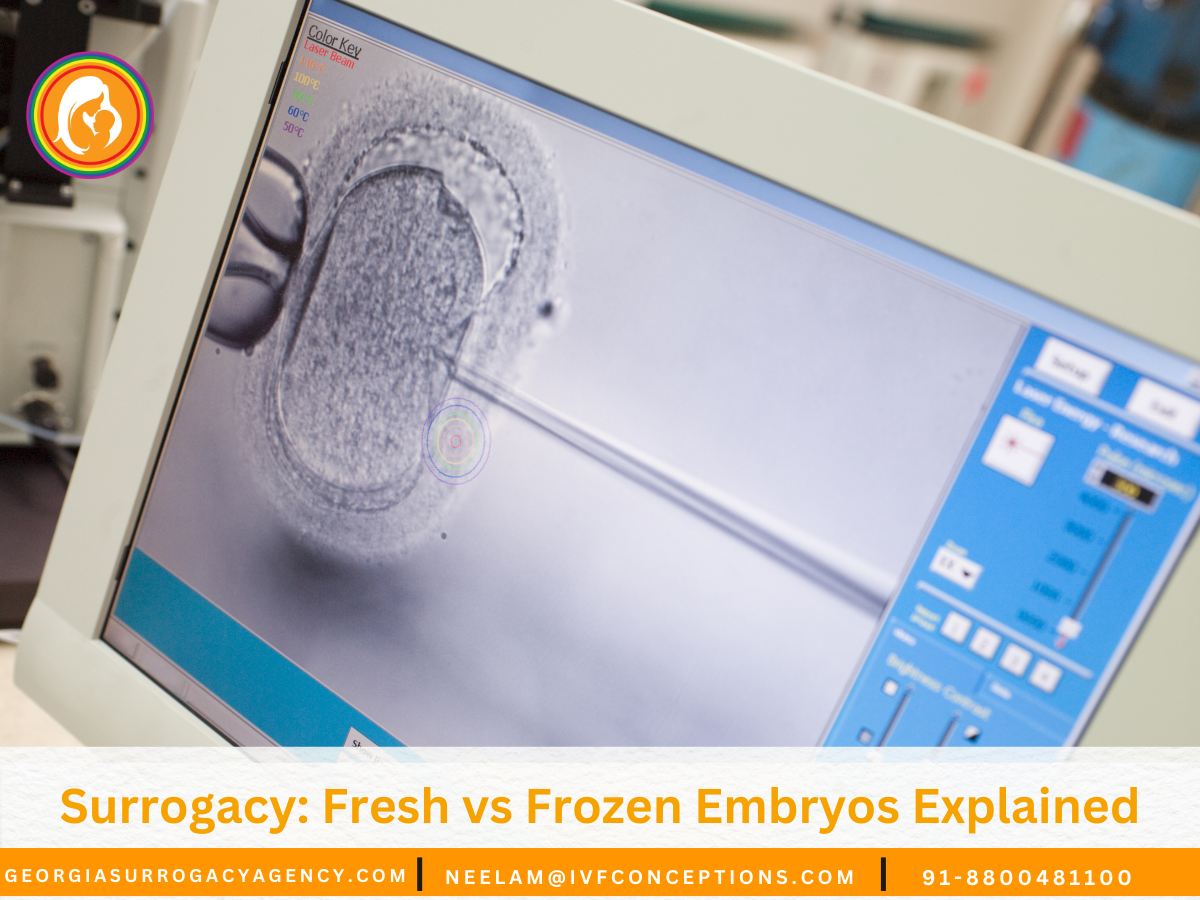
Understanding surrogacy: fresh vs frozen embryos explained helps intended parents choose the option that best fits their medical and timing needs. Fresh embryo transfer involves using embryos created and transferred within the same IVF cycle, which can shorten timelines but requires precise coordination between the IVF process and the surrogate’s cycle.
Frozen embryo transfer (FET), on the other hand, allows embryos to be safely stored and transferred later, offering greater flexibility, time for genetic testing, and often higher implantation rates due to better uterine preparation. In modern surrogacy programs, frozen embryos are increasingly preferred because they provide more control, planning ease, and consistent success outcomes.
Key Takeaways
- Understanding embryo options is essential in the surrogacy process.
- Fresh embryos are created and transferred immediately, while frozen embryos are preserved for later use.
- Frozen embryo transfers have become increasingly popular due to their efficiency and success rates.
- Deciding between fresh and frozen embryos can affect both costs and success potential.
- It’s important to consider individual circumstances when choosing the type of embryo for surrogacy.
📞 Get in Touch for a Free Surrogacy Consultation
📱 +91-8800481100 (WhatsApp | LINE | Viber)
📧 neelam@ivfconceptions.com
🌐 www.georgiasurrogacyagency.com
Understanding Surrogacy and Embryo Options
In the surrogacy process, understanding the role of embryos is essential for intended parents. Embryos represent the fertilized eggs that are implanted into the surrogate mother’s uterus. The choice of embryo types, whether fresh or frozen, can have significant implications for the success of the pregnancy. Various factors, including medical history and emotional readiness, must be carefully assessed to ensure a positive outcome.
The Role of Embryos in Surrogacy
The role of embryos in surrogacy is pivotal, as they are the beginning of life for the intended parents’ journey. Both fresh and frozen embryos are viable options based on individual circumstances. Selecting between these options can influence potential success rates of pregnancy, making it crucial for intended parents to consult with healthcare providers. Understanding the specifics of embryo types and their implications can empower decision-making in the surrogacy process.
Choosing the Right Surrogate Mother
Choosing a surrogate mother involves several important surrogate selection criteria. Factors such as her medical history, past pregnancy experiences, and emotional stability should be evaluated thoroughly. Establishing compatibility between the surrogate and intended parents can foster a supportive environment throughout the surrogacy journey. Partnering with the best surrogacy agency can provide vital resources and guidance in making an informed and compassionate choice.
| Embryo Type | Advantages | Considerations |
|---|---|---|
| Fresh Embryos | Higher potential success rates, immediate transfer | Time-sensitive, requires precise timing |
| Frozen Embryos | Flexibility for intended parents, lower costs | Potential need for thawing, some quality loss possible |
Fresh vs Frozen Embryos Surrogacy
In the journey of surrogacy, understanding the differences between fresh and frozen embryos holds significant importance. Each option offers unique advantages and challenges, making it crucial for potential parents and surrogates to be informed about the processes involved.
Defining Fresh Embryos
Fresh embryos are those generated during an IVF cycle, immediately utilized in the fresh embryo transfer process. Typically, the transfer occurs between 3 to 5 days after fertilization. High hormone levels at this point can enhance the chances of successful implantation, presenting a noteworthy advantage. Despite this benefit, elevated hormone levels may complicate the fresh embryo transfer, requiring close monitoring by medical professionals.
Understanding Frozen Embryos
Frozen embryos are developed during an IVF cycle but stored through cryopreservation for later use. The frozen embryo transfer process involves thawing these embryos at a convenient time for implantation into the surrogate’s uterus. Research suggests that surrogacy with frozen embryos may yield higher success rates, as natural hormone levels are optimized during this phase. This process allows for greater flexibility, providing intended parents with valuable options as they navigate the surrogacy journey.
| Embryo Type | Transfer Process | Success Rate Potential |
|---|---|---|
| Fresh Embryos | Transfer within 3-5 days post-fertilization | Higher success due to optimal hormone levels, but complications may arise |
| Frozen Embryos | Thawed and transferred at a later date | Potentially higher success rates due to favorable conditions during thawing |
Success Rates of Fresh vs Frozen Embryo Transfers
Understanding the comparative success rates of fresh versus frozen embryo transfers is essential for intended parents navigating surrogacy options. Research indicates a notable distinction between these two methods. The frozen embryo transfer success rates have shown considerable promise in recent studies, making it crucial to examine the underlying factors that contribute to these outcomes.
Comparative Success Rates
The success rates of fresh vs frozen embryos have been rigorously analyzed. Data shows that frozen embryos have achieved a higher live birth rate, with figures around 74.5% compared to 53.7% for fresh embryos. In addition to higher live birth rates, frozen transfers have demonstrated lower miscarriage rates, registering at 2.8% compared to 18.5% in fresh transfers. These statistics highlight the growing preference for frozen embryo transfers when considering surrogacy success rates.
Factors Influencing Success Rates
Several factors influence the success rates of embryo transfers, impacting both fresh and frozen options. Key aspects include:
- Embryo quality: High-quality embryos significantly enhance the chances of successful implantation.
- Age: The age of the egg donor plays a critical role in determining embryo quality and overall transfer success.
- Medical history: The surrogate’s health and any previous pregnancy history can affect outcomes.
Understanding these factors influencing success rates can provide valuable insights for intended parents as they contemplate the best approach to embryo transfer in the surrogacy process.
| Type of Transfer | Live Birth Rate (%) | Miscarriage Rate (%) |
|---|---|---|
| Fresh Embryo Transfer | 53.7 | 18.5 |
| Frozen Embryo Transfer | 74.5 | 2.8 |
Benefits of Fresh Embryo Transfers
Fresh embryo transfers present numerous advantages for both intended parents and surrogates. These transfers typically allow embryos to be implanted immediately after egg retrieval, creating an optimal hormonal environment for implantation. This section delves into the advantages of fresh embryos and highlights why choosing fresh embryo transfer might be beneficial.
Immediate Transfer Advantages
One of the primary fresh embryo transfer benefits is the ability to perform implantation without the delay that comes with freezing. The immediate transfer supports a naturally synchronized hormonal state, which some studies suggest increases the likelihood of successful implantation. This synchronization can enhance the embryo quality in surrogacy, giving potential parents a promising pathway toward achieving a successful pregnancy.
Potential for Higher Quality Embryos
Research indicates that fresh embryos often maintain higher viability compared to frozen counterparts. This concept stems from the understanding that fresh vs frozen embryo quality may differ due to the thawing process that frozen embryos undergo, which can impact their integrity. When you utilize fresh embryos for transfer, you potentially increase your chances of achieving a successful pregnancy with higher-quality embryos that have not been subjected to the stress of freezing.
Overall, the numerous benefits of fresh embryo transfers should be considered when making choices in the surrogacy process. Intended parents may find that fresh embryo transfers suit their goals and increase their chances for success.

| Aspect | Fresh Embryo Transfer | Frozen Embryo Transfer |
|---|---|---|
| Timing | Immediate implantation post-retrieval | Delayed due to freezing and thawing |
| Embryo Viability | Typically higher quality | Potentially lower due to thaw process |
| Success Rates | Usually associated with higher success | Results can vary significantly |
| Hormonal Environment | More naturally synchronized | May be out of sync due to hormonal fluctuations |
Advantages of Frozen Embryo Transfers
Frozen embryo transfers (FET) offer numerous benefits, making them an attractive option for many intended parents considering surrogacy. Understanding the cost implications, timing flexibility, and quality preservation techniques associated with FET can significantly enrich your surrogacy journey.
Lower Costs Associated with FET
One prominent advantage of frozen embryo transfers is the lower costs of FET when compared to the initial IVF cycle. The ability to cryopreserve viable embryos means that intended parents can avoid multiple rounds of egg retrieval, thereby minimizing overall expenses. The frozen embryo transfer cost usually reflects savings linked to the reduction in necessary procedures associated with fresh embryo transfers.
Flexibility in Timing for Intended Parents
The flexibility in frozen embryo transfers provides intended parents with the chance to synchronize surrogacy scheduling with their personal lives. This adaptability allows parents to plan for pregnancies at their convenience, creating a less stressful environment as they prepare for the journey into parenthood.
Preservation of Embryo Quality
Another notable aspect of FET is the emphasis on preserving embryo quality. The process of embryo cryopreservation allows for careful assessment before determining suitability for transfer. This increases the chances of selecting the most viable embryos for implantation, which can enhance overall pregnancy success rates and contribute positively to the overall experience of planning for pregnancy.
| Aspect | Fresh Embryos | Frozen Embryos |
|---|---|---|
| Initial Transfer Cost | Higher | Lower |
| Timing Flexibility | Limited | High |
| Embryo Selection | Immediate | Strategic |
| Overall Success Rate | Varies | Potentially Higher |
Costs Involved in Fresh vs Frozen Embryo Transfers
Understanding the financial implications of embryo transfers plays a crucial role in the surrogacy process. Whether considering fresh or frozen transfers, intended parents should engage in careful budgeting for surrogacy. Knowing what to expect regarding costs can assist in making informed decisions.
Cost Analysis of Fresh Transfers
Fresh embryo transfers typically lead to numerous expenses related to the complete IVF cycle, which includes hormone medications, egg retrieval, and embryo culture. These costs can accumulate quickly, making it essential for prospective parents to conduct a thorough surrogacy costs analysis. Below is a breakdown of common expenses related to fresh transfers:
| Expense Category | Estimated Cost |
|---|---|
| IVF Cycle Fees | $12,000 – $15,000 |
| Hormonal Medications | $3,000 – $5,000 |
| Egg Retrieval Procedure | $3,000 – $7,000 |
| Embryo Culture and Transfer | $2,000 – $5,000 |
| Total Estimated Fresh Embryo Transfer Cost | $20,000 – $32,000 |
Understanding Frozen Transfer Expenses
Frozen embryo transfers generally incur fewer costs since the embryos have already been created and preserved. This leads to lower frozen transfer expenses, making them a more financially viable option for many families. Key expenses associated with frozen transfers include:
| Expense Category | Estimated Cost |
|---|---|
| Transfer Fees | $1,000 – $3,000 |
| Storage Fees for Frozen Embryos | $500 – $1,000 (annually) |
| Monitoring and Medication | $1,500 – $3,000 |
| Total Estimated Frozen Transfer Cost | $3,000 – $7,000 |

Choosing the Best Embryos for Surrogacy
When it comes to selecting embryos for surrogacy, various factors play a critical role in ensuring a successful outcome. Intended parents must be mindful of the details surrounding embryo quality, genetic testing outcomes, and the compatibility of embryos with the surrogate. These elements are vital in determining the best embryos for surrogacy and increasing the chances of achieving a successful pregnancy.
Factors to Consider When Selecting Embryos
Choosing embryos for surrogacy involves careful consideration of several key criteria. These include:
- Embryo quality assessment: High-quality embryos exhibit better developmental potential, making them preferable for transfer.
- Genetic testing options: Utilizing embryo genetic testing like Preimplantation Genetic Testing (PGT) can identify potential genetic disorders.
- Compatibility with the surrogate: Ensuring that the selected embryos align with the health and biological factors of the surrogate contributes to the success potential.
Embryo Quality and Genetic Testing Options
Embryo genetic testing options are essential in the process of selecting embryos. These tests provide valuable insights into embryo viability and genetic health. By implementing genetic testing, parents can prioritize the best embryos for surrogacy, effectively minimizing the risk of inherited disorders and other complications. Moreover, a thorough embryo quality assessment combined with genetic evaluations allows for informed decisions, increasing the likelihood of a successful pregnancy and healthy delivery.
Additional Resources to read:
Navigating the IVF Surrogacy Process
IVF Clinics vs Surrogacy Clinics
Difference Between IVF and Surrogacy
Conclusion
In summary, deciding between fresh and frozen embryos during surrogacy is a significant choice that requires careful thought and consideration. This conclusion on fresh vs frozen embryos has highlighted the various aspects, including success rates, costs, and the unique benefits of each option. For intended parents and surrogates alike, understanding these differences is essential as they navigate their surrogacy journeys.
When making surrogacy decisions, individuals should consider their health circumstances, personal preferences, and the potential impact on their family-building goals. Throughout this embryo options review, it is evident that both fresh and frozen embryos can offer pathways to successful outcomes, yet they come with distinct sets of advantages and challenges.
Ultimately, equipping oneself with knowledge about fresh versus frozen embryos empowers intended parents and surrogates to make informed choices, fostering a supportive and collaborative environment in their surrogacy experience. Embracing the journey with understanding and clarity will lead to the best possible outcomes for all parties involved.
💫 Why Intended Parents Choose Complete Surrogacy for a Safe, Smooth & Successful Surrogacy Journey:
🌍 Access to multiple surrogacy destinations with 15+ years of international experience
🏥 Partnerships with top-tier fertility clinics and agencies, backed by references from past clients
👩🦱 Diverse egg donor options: Asian, Caucasian, African, Oriental, and more
💸 Transparent and affordable pricing—direct payments with no extra agency fees
🔒 No hidden costs—all charges are agreed upon upfront
🤝 Dedicated case manager for personalized support
📲 Fast, honest, and clear communication throughout
📑 Full legal support for visas, documentation, and baby exit processes
🚚 Assistance with frozen sperm/embryo shipment logistics

FAQ: Fresh vs Frozen Embryos Explained
What is the difference between fresh and frozen embryos in surrogacy?
Fresh embryos are created during an in vitro fertilization (IVF) cycle and transferred shortly after fertilization, typically within 3 to 5 days. Frozen embryos, on the other hand, are preserved using cryopreservation and can be thawed and implanted later. The choice between these two options affects surrogacy success rates and costs.
What are the success rates of fresh vs frozen embryo transfers?
Research has shown that frozen embryos often have higher success rates, with studies indicating a live birth rate of 74.5% compared to 53.7% for fresh embryos. Frozen transfers also tend to have lower miscarriage rates, making them a popular choice for many intended parents.
Why might someone choose fresh embryo transfers for surrogacy?
Fresh embryo transfers allow for immediate implantation after egg retrieval, which can enhance the chances of success due to optimal hormonal conditions. Additionally, fresh embryos may maintain higher viability and quality since they haven’t gone through the thawing process.
What are the advantages of using frozen embryos in surrogacy?
Frozen embryos can offer several advantages, including lower costs in the long run, flexibility in timing for transfers, and the ability to evaluate embryo quality before transfer. They often provide a better regulatory hormone environment upon thawing, improving the chances of successful implantation.
How do costs compare between fresh and frozen embryo transfers?
Fresh transfers typically incur higher costs since they involve a complete IVF cycle, including hormone medications and egg retrieval. In contrast, frozen transfers can be more cost-effective as they utilize embryos already created, reducing the need for additional stimulation and retrieval cycles.
What factors should be considered when choosing embryos for surrogacy?
Intended parents should consider several factors, including genetic testing results, embryo quality, and the compatibility of the embryos with the surrogate mother. Making informed decisions based on these factors can increase the chance of successful pregnancies.
How does genetic testing improve embryo selection?
Genetic testing, such as Preimplantation Genetic Testing (PGT), can identify potential genetic disorders and assess embryo quality. This testing helps ensure that only the healthiest embryos are selected for transfer, enhancing the likelihood of a successful pregnancy.

Highly esteemed, authoritative, and trusted professional with a 14-year of experience in international surrogacy. Advocate for Secure, Legal, and Affordable International Surrogacy.
Neelam Chhagani, MA (Counselling Psychology) and Holistic Infertility and Third-Party Reproduction Consultant.
Member of European Fertility Society, Best Surrogacy Blogger of 2020, with 300 dedicated blogs, and top contributor on Quora for Surrogacy.
Add Your Comment