
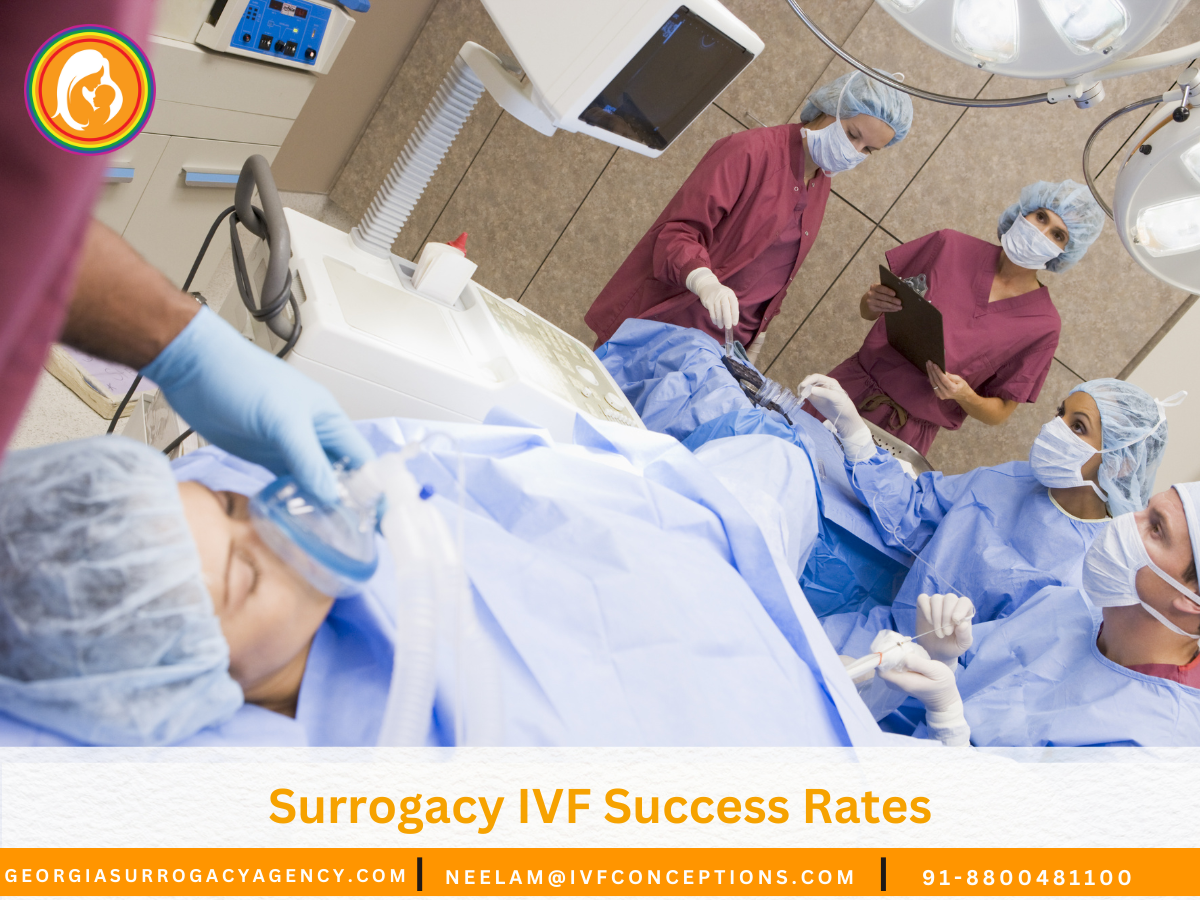
Understanding surrogacy IVF success rates helps intended parents set realistic expectations and choose the best treatment path. Success rates depend on factors like the age and health of the egg provider, embryo quality, clinic expertise, and the surrogate’s reproductive health, with many reputable programs reporting high clinical pregnancy and live birth rates when using optimized protocols and genetic screening.
While individual outcomes vary, experienced fertility centers often provide transparent data on success rates, allowing parents to compare performance, choose evidence-based care, and plan confidently for their surrogacy journey.
Learning about what affects surrogacy success rates can help you make better choices. This knowledge can boost your chances of a successful family journey. Let’s dive into the details of surrogacy and IVF success rates together.
Key Takeaways
- Surrogacy is becoming increasingly popular, helping many achieve their dreams of parenthood.
- Understanding surrogacy IVF success rates is vital for informed decision-making.
- Various factors can affect the success rates, including the surrogate’s age and health.
- Emotional support plays a critical role throughout the surrogacy journey.
- Choosing the right fertility clinic significantly impacts success rates.
📞 Get in Touch for a Free Surrogacy Consultation
📱 +91-8800481100 (WhatsApp | LINE | Viber)
📧 neelam@ivfconceptions.com
🌐 www.georgiasurrogacyagency.com

The Surrogacy Process Explained
Understanding surrogacy is key for those wanting to build families. It involves a woman carrying and giving birth to a child for someone else. This process has many steps, legal aspects, and emotional sides to it.
Understanding Surrogacy
Choosing surrogacy is a big decision. It includes picking a surrogate and making legal agreements. Many intending parents have questions about the duties, costs, and time it takes.
Types of Surrogacy: Traditional vs. Gestational
There are two main types of surrogacy: traditional and gestational. Traditional surrogacy means the surrogate is the biological mother. Gestational surrogacy uses IVF, where embryos are made from the intended parents’ or donors’ genetic material.
This difference in biological connection brings up unique emotional and ethical issues.
The Role of IVF in Gestational Surrogacy
In gestational surrogacy, IVF is crucial. It allows for the safe creation of embryos. Success rates depend on factors like embryo quality and the fertility clinic’s expertise.
Knowing how IVF and gestational surrogacy work together is vital for making good choices during the surrogacy journey.
Average Surrogacy IVF Success Rates
Knowing the average surrogacy IVF success rates can help future parents understand their journey. These rates, usually between 60% to 80% per embryo transfer, show how different factors can affect success. These include the surrogate’s age and the clinic’s experience. Learning about these can help you prepare better for the process.
Success Rates by Age of Surrogate
The age of the surrogate is a key factor in IVF success rates. Surrogates aged 21-35 tend to have the highest success rates, often between 75% to 85% for embryo transfers. Success rates drop as the surrogate gets older, especially after 35. This shows how age impacts surrogacy pregnancy success rates.
Factors Influencing Success Rates at Clinics
Several factors can affect IVF success rates at clinics. These include:
- Health of the surrogate: Good health is crucial for embryo implantation.
- Quality of embryos: Better embryos lead to higher chances of pregnancy.
- Expertise of the fertility clinic: Clinics with advanced technologies often have higher success rates, sometimes up to 95% once pregnancy is confirmed.
Choosing a clinic known for high success rates can greatly improve your chances of a successful surrogacy journey.
| Age of Surrogate | Success Rate (% per embryo transfer) |
|---|---|
| Under 25 | 80%-85% |
| 25-30 | 75%-80% |
| 30-35 | 70%-75% |
| 35-40 | 50%-65% |
| Over 40 | 30%-50% |
Key Factors Affecting IVF Success Rates in Surrogacy
Knowing what affects IVF success rates is crucial for a good surrogacy experience. Three main things matter a lot: the surrogate’s health and age, how good the embryos are, and the clinic’s skill.
Surrogate’s Health and Age
The health and age of the surrogate are very important. Younger surrogates usually have better success rates because they are healthier and more fertile. A surrogate’s health can help the embryo implant and stay in the womb.
It’s best if the surrogate has had successful pregnancies before. This experience helps create a good environment for the embryo to grow.
Embryo Quality and Preimplantation Genetic Testing (PGT)
How good the embryos are also matters a lot. Better embryos are more likely to implant and grow. Preimplantation Genetic Testing (PGT) helps check embryos for genetic problems.
Choosing the healthiest embryos with PGT can really boost the chances of a successful IVF. This makes surrogacy outcomes much better.
Fertility Clinic Expertise
The skill of the fertility clinic is also key. Clinics with a good track record often have higher success rates. They use the latest technology and have experienced staff.
It’s important to do your research and choose a clinic wisely. Their approach can greatly affect the IVF process and results in surrogacy.

Understanding Surrogacy and IVF Success Statistics
Grasping the nuances of surrogacy and IVF success statistics helps aspiring parents set realistic expectations. It shows how different factors can influence outcomes. This provides valuable insights for intended parents.
General Trends in Surrogacy Success Rates
Younger surrogates tend to have higher success rates. The quality of embryos, often checked through preimplantation genetic testing, greatly affects these outcomes. Success rates are also higher in clinics with advanced technologies and experienced professionals.
The following table shows typical success rates based on different factors:
| Factor | Success Rate (%) |
|---|---|
| Surrogate Age (Under 30) | 55-60 |
| Surrogate Age (30-35) | 50-55 |
| Surrogate Age (36-40) | 40-45 |
| High-Quality Embryos | 60-70 |
| Low-Quality Embryos | 25-30 |
The Importance of Emotional Support During Surrogacy
Emotional support in surrogacy is crucial for the well-being of both intended parents and surrogates. Studies show that those who get emotional guidance are happier and have better outcomes. Support systems that offer both emotional coaching and practical help are very effective.
Agencies that focus on this holistic support often lead to successful surrogacy journeys. They highlight the importance of emotional well-being during the process.

Choosing the Best Fertility Clinic for High Success Rates
For those planning to use surrogacy, picking the right fertility clinic is key. It affects your health care and the chances of success. By carefully choosing, you can improve your chances of building a family.
Evaluating Clinic Success Rates
When looking at clinic success rates, consider a few things:
- Experience with surrogacy cases
- Success rates specific to the surrogates’ age group
- Transparency in reporting outcomes
Choose clinics that share detailed success rates by age and treatment. This helps you make a smart choice for your surrogacy goals.
The Role of Advanced Technologies in IVF
Modern IVF technologies are crucial for better success rates. Clinics using the latest methods, such as:
- AI-assisted monitoring systems
- Comprehensive genetic testing
- Embryo selection algorithms
are leading the way in effective treatments. These tools can boost embryo quality and implantation success, raising your chances of a successful pregnancy through surrogacy.
Additional Resources to read:
Navigating the IVF Surrogacy Process
IVF Clinics vs Surrogacy Clinics
Difference Between IVF and Surrogacy
Conclusion
Understanding surrogacy well is key. It involves knowing how health, age, and embryo quality affect success. Choosing a good fertility clinic is also crucial for better IVF results.
Success stories in surrogacy offer hope and motivation. They show that dreams of parenthood can come true. Emotional support and new reproductive tech also boost success rates.
You’re not alone in your surrogacy journey. A supportive community is here to help. Stay informed and connected to navigate this complex path with confidence.
💫 Why Intended Parents Choose Complete Surrogacy for a Safe, Smooth & Successful Surrogacy Journey:
🌍 Access to multiple surrogacy destinations with 15+ years of international experience
🏥 Partnerships with top-tier fertility clinics and agencies, backed by references from past clients
👩🦱 Diverse egg donor options: Asian, Caucasian, African, Oriental, and more
💸 Transparent and affordable pricing—direct payments with no extra agency fees
🔒 No hidden costs—all charges are agreed upon upfront
🤝 Dedicated case manager for personalized support
📲 Fast, honest, and clear communication throughout
📑 Full legal support for visas, documentation, and baby exit processes
🚚 Assistance with frozen sperm/embryo shipment logistics.

FAQ: Surrogacy IVF Success Rates
What are the average success rates for surrogacy IVF?
Surrogacy IVF success rates usually range from 60% to 80% per embryo transfer. This depends on the surrogate’s age and health.
How does the age of the surrogate affect success rates?
Surrogates aged 21-35 have the highest success rates, around 75% to 85%. Success rates drop for those over 35.
What factors influence IVF success rates in surrogacy?
Success depends on the surrogate’s health and age, embryo quality, and the fertility clinic’s expertise. Surrogates with past successful pregnancies tend to have better results.
What is Preimplantation Genetic Testing (PGT)?
PGT is a genetic test to find the healthiest embryos. It boosts the chance of successful implantation and better surrogacy outcomes.
Why is selecting the right fertility clinic important?
A good fertility clinic can greatly improve surrogacy IVF success rates. Clinics with advanced tech and a strong track record usually get better results.
How can emotional support improve surrogacy outcomes?
Emotional support can lead to higher satisfaction and better results for intended parents. Agencies that offer emotional support along with practical help make the surrogacy experience better.
What are the types of surrogacy, and how do they differ?
There are two main types of surrogacy: traditional and gestational. Traditional surrogacy means the surrogate is the biological mother. Gestational surrogacy uses IVF with the intended parents’ or donor genetic material, so the surrogate has no genetic link to the child.
What is the role of IVF in gestational surrogacy?
IVF is key in gestational surrogacy. It creates embryos from the intended parents’ or donors’ genetic material. These embryos are then transferred to the surrogate’s uterus.

Highly esteemed, authoritative, and trusted professional with a 14-year of experience in international surrogacy. Advocate for Secure, Legal, and Affordable International Surrogacy.
Neelam Chhagani, MA (Counselling Psychology) and Holistic Infertility and Third-Party Reproduction Consultant.
Member of European Fertility Society, Best Surrogacy Blogger of 2020, with 300 dedicated blogs, and top contributor on Quora for Surrogacy.
Add Your Comment