
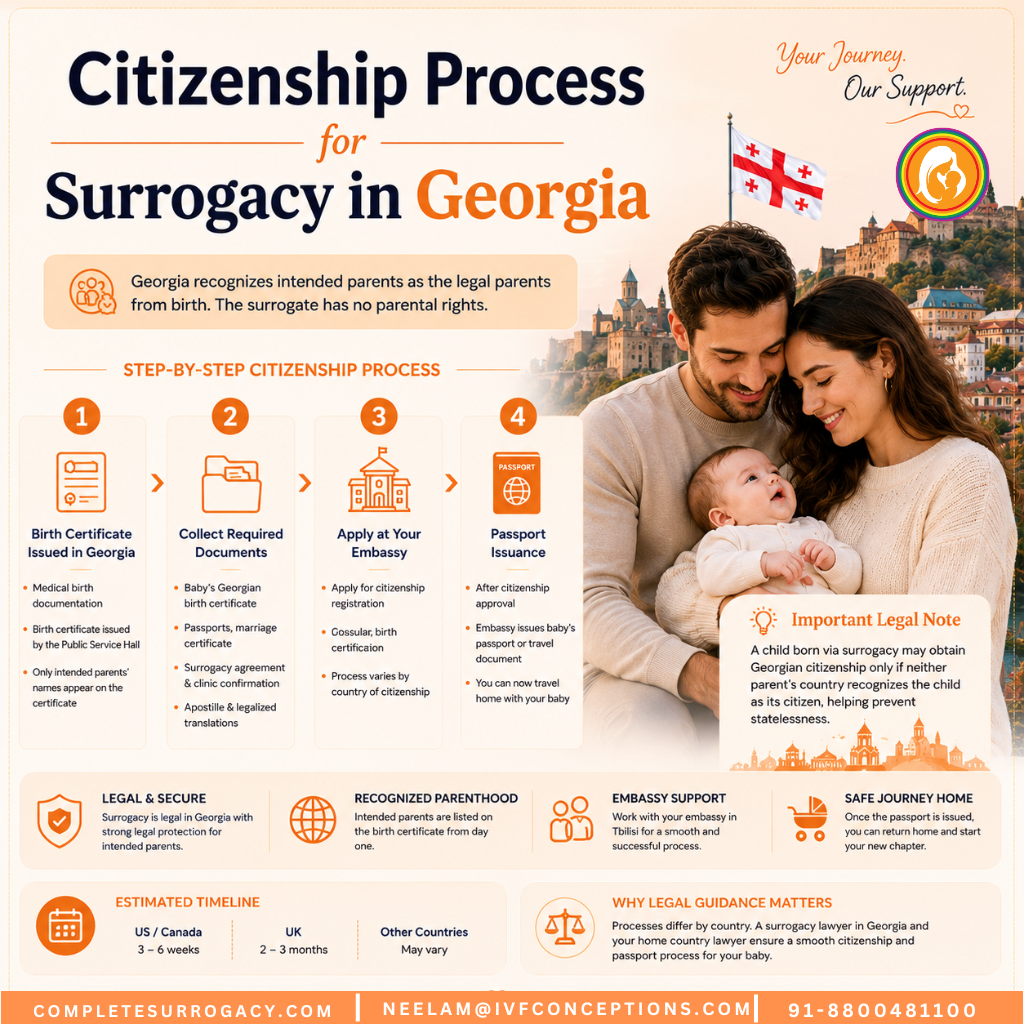
The citizenship process for surrogacy in Georgia country is a crucial step for international intended parents planning their journey through surrogacy in Georgia. After the baby is born, the legal and documentation process typically involves obtaining the Georgian birth certificate, confirming parental rights, and applying for the baby’s passport and citizenship through the intended parents’ home country embassy. Many families choose international surrogacy in Georgia because the process is structured, with clear legal documentation and coordinated support from clinics, agencies, and legal experts in Tbilisi.
The journey through this process can be challenging. Yet, with the right information and support, it becomes achievable for those looking to grow their families through surrogacy.
Planning surrogacy abroad?
Read our complete Surrogacy in Georgia Guide to understand the process, costs, legal rules, and timeline for international intended parents.
Citizenship Process for Surrogacy in Georgia – Quick Summary
| Step | Process | Key Requirement | Approx Timeline |
|---|---|---|---|
| 1 | Baby Birth in Tbilisi | Hospital birth records issued | 1–3 days |
| 2 | Georgian Birth Certificate | Intended parents’ documents & surrogacy papers | 5–10 days |
| 3 | Embassy Application | Passport & citizenship application at the embassy | 2–6 weeks |
| 4 | DNA Test (If Required) | Genetic link confirmation (country dependent) | 1–3 weeks |
| 5 | Baby Passport Issuance | Approved embassy documents | 2–4 weeks |
| 6 | Exit & Travel Home | Passport and final travel clearance | Few days |
📞 Get in Touch for a Free Surrogacy Consultation
📱 +91-8800481100 (WhatsApp | LINE | Viber)
📧 neelam@ivfconceptions.com
🌐 https://www.georgiasurrogacyagency.com/
Understanding Surrogacy in Georgia
Surrogacy is becoming a common choice for families in Georgia. It’s vital to grasp the legal process of surrogacy in Georgia. This ensures the rights of all parties are safeguarded. Both intended parents and surrogates benefit from a legal structure that supports smooth arrangements.
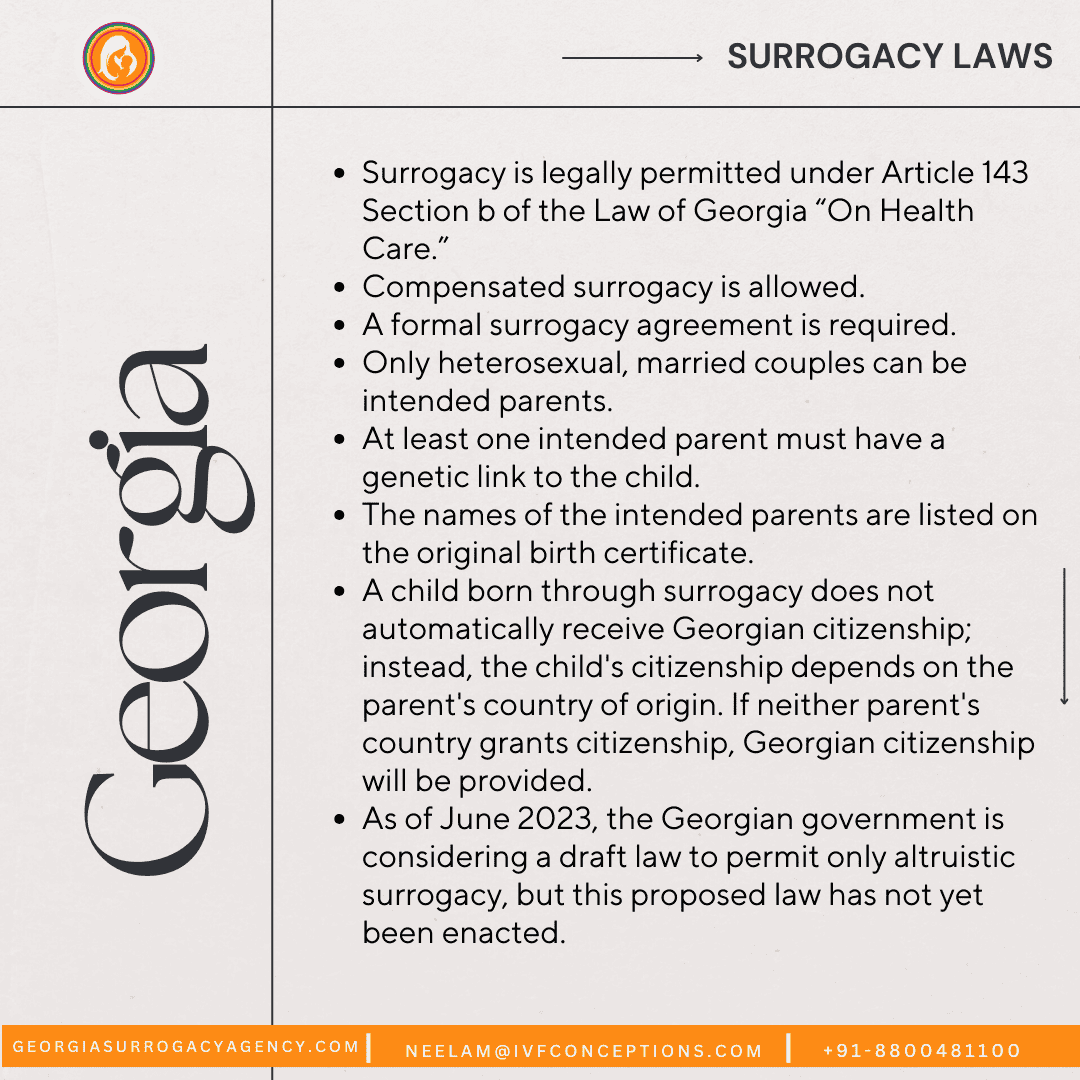
Overview of Surrogacy Laws in Georgia
Georgia has a detailed set of Georgia surrogacy laws. These laws create a secure space for all participants. In Georgia, children born through surrogacy can gain Georgian citizenship under specific rules. These laws provide clarity on parental rights and the legal status of the surrogate. They aim to uphold ethical standards and prevent exploitation.
- Clear definitions of the roles and responsibilities of intended parents and surrogates.
- Protection of the rights of all parties involved in the surrogacy agreement.
- Guidelines for ensuring ethical practices throughout the surrogacy journey.
As the need for surrogacy grows, understanding and adhering to these laws is essential. It ensures a safe and respectful environment for everyone involved.
The Legal Framework for Surrogacy in Georgia
Understanding the surrogacy legalities in Georgia is essential for both intended parents and surrogates. The legal system provides clear guidelines. This ensures all parties know their rights and responsibilities during the surrogacy journey. The state’s laws focus on the child’s well-being and establish the legal framework for parental rights in surrogacy in Georgia.
Key Surrogacy Regulations in Georgia
Georgia has specific surrogacy regulations to protect everyone involved. These regulations include:
- A written surrogacy agreement outlining expectations and obligations for both the surrogate and intended parents.
- Pre-birth orders confirm the intended parents’ legal status before birth, securing their parental rights.
- Mandatory medical and psychological evaluations for the surrogate, ensuring she is fit for the process.
Parental Rights and Responsibilities in Surrogacy
In Georgia, parental rights in surrogacy are given to the biological parents. This means surrogates have no legal claims to the child, preventing post-birth conflicts. Intended parents need to understand these rights. It solidifies their roles and empowers them throughout the process.
Intended parents also have responsibilities:
- Providing full support to the surrogate, including financial aid for medical expenses.
- Complying with legal agreements to uphold their commitment to the arrangement.
- Ensuring all legal documentation is completed accurately and on time.
Citizenship Process for Surrogacy in Georgia
Understanding the process to obtain citizenship for children born through surrogacy in Georgia is key. It involves knowing the eligibility criteria and gathering essential documents. The journey can be complex, but knowing the requirements helps. In Georgia, the legal framework for surrogacy citizenship focuses on the parental bond.
Eligibility Criteria for Citizenship through Surrogacy
To qualify for citizenship through surrogacy, several conditions must be met. Citizenship is granted based on the legal bond between the intended parents and the child. The criteria include:
- The intended parent(s) must be legally recognized as the child’s parents.
- The surrogacy agreement must comply with Georgia’s laws.
- The child must be born in Georgia to secure citizenship.
Documents Required for Citizenship Application
Applying for citizenship as a surrogate in Georgia requires gathering key documents. These documents are critical to the application’s success. The necessary documents are:
- Birth certificate of the child.
- Identity cards of the intended parent(s).
- Proof of residency in Georgia.
- Surrogacy agreement that is properly executed.
Preparing these documents thoroughly can improve the chances of a successful application. It ensures all requirements for surrogacy citizenship are met.
Surrogacy Citizenship Application Process
The journey to citizenship for a child born through surrogacy in Georgia involves several key steps. Intended parents need to grasp each part of the surrogacy application process. This ensures they can navigate it effectively and meet all requirements.
Steps to Apply for Citizenship through Surrogacy
Intended parents must follow a systematic approach in the surrogacy citizenship application process. Here are the essential steps to take:
- Gather all necessary documentation, including the birth certificate and surrogacy agreement.
- Complete the citizenship application forms specific to Georgia requirements.
- Submit the application to the designated government agency along with the required documents.
- Pay the applicable citizenship application fees for Georgia, which vary based on the type of application.
- Engage in any additional steps requested by the authorities, such as attending interviews or providing supplementary documents.
You can find more information here:
https://ge.usembassy.gov/services/
Timelines and Processing Fees in Georgia
The application process duration can vary based on several factors. Generally, the following timelines can be expected:
| Application Type | Processing Time | Fees |
|---|---|---|
| Standard Citizenship Application | 4-6 months | $1,200 |
| Expedited Citizenship Application | 2-3 months | $2,000 |
| Additional Service Requests | Varies | $300 |
Understanding these timelines and fees is key for intended parents to plan their steps effectively. Preparation and awareness can make the application journey smoother.
Rights of Surrogate Mothers in Georgia
The rights of surrogate mothers in Georgia are fundamental to the surrogacy legal process. These rights ensure surrogates are treated fairly and ethically. Legal protections cover health care, contractual obligations, and personal well-being.
Legal Status of Surrogate Mothers
In Georgia, surrogate mothers’ legal status is defined by binding contracts. These contracts detail their rights and duties, including compensation and health care. Surrogates have the right to receive medical care throughout the pregnancy, ensuring their and the child’s health is prioritized.
Documentation of these agreements is key to protecting surrogate mother rights in Georgia. It provides a clear framework for all parties involved.
Support and Protections for Surrogates in Georgia
Surrogates in Georgia receive various supports and protections. They have access to psychological counseling, legal representation, and health care services. These supports enhance their experience.
Ethical considerations are essential. Intended parents must acknowledge and honor surrogate rights. Honest communication and respect are vital for mutually beneficial arrangements. This recognizes the critical role surrogate mothers play in the surrogacy legal process in Georgia.
Guidelines on How to Obtain Citizenship through Surrogacy in Georgia
For those aiming to get citizenship through surrogacy in Georgia, knowing the steps is key. This path demands careful thought and planning. Working with licensed experts is vital to meet legal requirements for surrogacy and citizenship in Georgia.
Best Practices for Intended Parents
To increase your chances of successful citizenship through surrogacy, follow these best practices:
- Do thorough research on obtaining citizenship through surrogacy in Georgia.
- Keep a clear line of communication with your surrogate to build trust and understanding.
- Document all agreements and understandings about parental rights and responsibilities.
- Stay updated on changes in Georgian surrogacy laws that could affect your application.
- Prepare all necessary documents carefully to avoid delays.
Consulting Legal Experts and Agencies
Seeking help from surrogacy agencies in Georgia is highly beneficial. Their knowledge helps navigate the surrogacy and citizenship application processes. A legal expert familiar with Georgian laws can assist in:
- Grasping specific legal requirements for citizenship.
- Ensuring all agreements are legally enforceable.
- Handling complex situations that may come up during the process.
Note: The citizenship process after surrogacy in Georgia country typically takes around 4–8 weeks, depending on the embassy rules, documentation, and nationality of the intended parents. Proper legal coordination in Tbilisi helps ensure a smooth passport and citizenship process for babies born through surrogacy in Georgia.
Additional Resources to read:
Surrogate Mother in Georgia Country
Single Parent Surrogacy in Georgia Country
Conclusion
Overall, the citizenship process after surrogacy in Georgia is well-organized but requires proper planning, embassy coordination, and accurate documentation. With professional guidance, intended parents can smoothly complete the birth certificate, passport, and exit process in Georgia and safely return home with their newborn.
Working with an experienced team helps ensure compliance with local laws, reduces delays, and makes the surrogacy journey in Georgia more secure and stress-free for international parents.
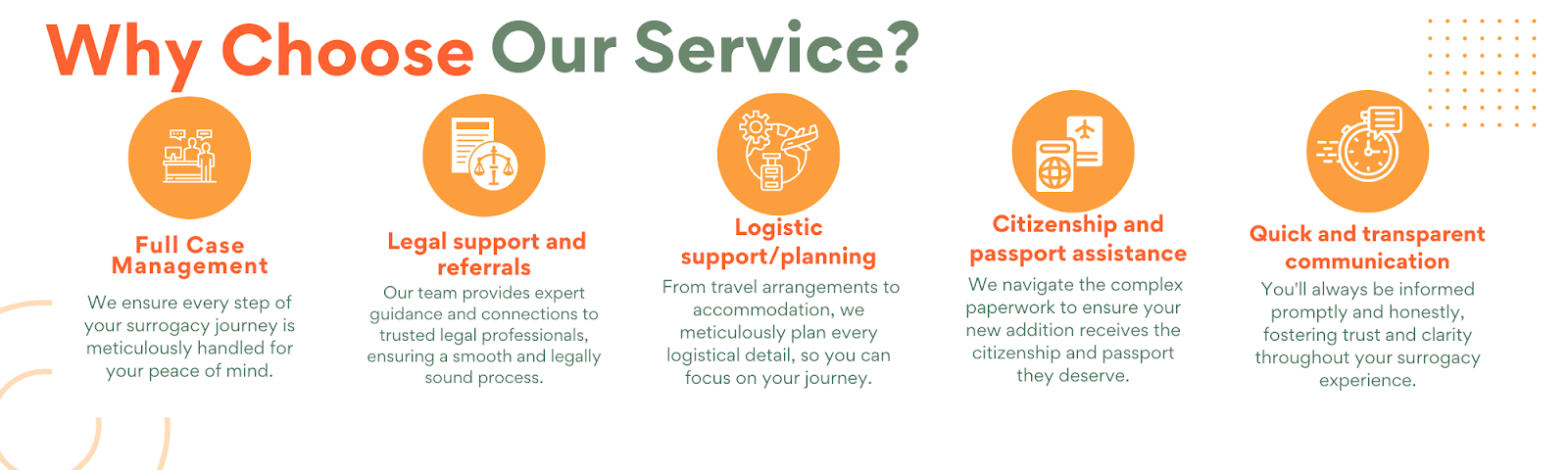
💫 Why Intended Parents Choose Complete Surrogacy for a Safe, Smooth & Successful Surrogacy Journey:
🌍 Access to multiple surrogacy destinations with 15+ years of international experience
🏥 Partnerships with top-tier fertility clinics and agencies, backed by references from past clients
👩🦱 Diverse egg donor options: Asian, Caucasian, African, Oriental, and more
💸 Transparent and affordable pricing—direct payments with no extra agency fees
🔒 No hidden costs—all charges are agreed upon upfront
🤝 Dedicated case manager for personalized support
📲 Fast, honest, and clear communication throughout
📑 Full legal support for visas, documentation, and baby exit processes
🚚 Assistance with frozen sperm/embryo shipment logistics
FAQs for the citizenship process for a surrogacy baby in Georgia
What are the essential surrogacy laws in Georgia?
What are the eligibility criteria for obtaining citizenship for a child born through surrogacy in Georgia?
What steps should intended parents take when applying for citizenship for their child through surrogacy?
What legal protections do surrogate mothers have in Georgia?
How can intended parents best navigate the surrogacy citizenship process in Georgia?
Are foreign surrogates allowed to work in Georgia?
What role do licensed agencies play in the surrogacy process in Georgia?
How are citizenship rights for children born via surrogacy established in Georgia?

Highly esteemed, authoritative, and trusted professional with a 14-year of experience in international surrogacy. Advocate for Secure, Legal, and Affordable International Surrogacy.
Neelam Chhagani, MA (Counselling Psychology) and Holistic Infertility and Third-Party Reproduction Consultant.
Member of European Fertility Society, Best Surrogacy Blogger of 2020, with 300 dedicated blogs, and top contributor on Quora for Surrogacy.
Add Your Comment