
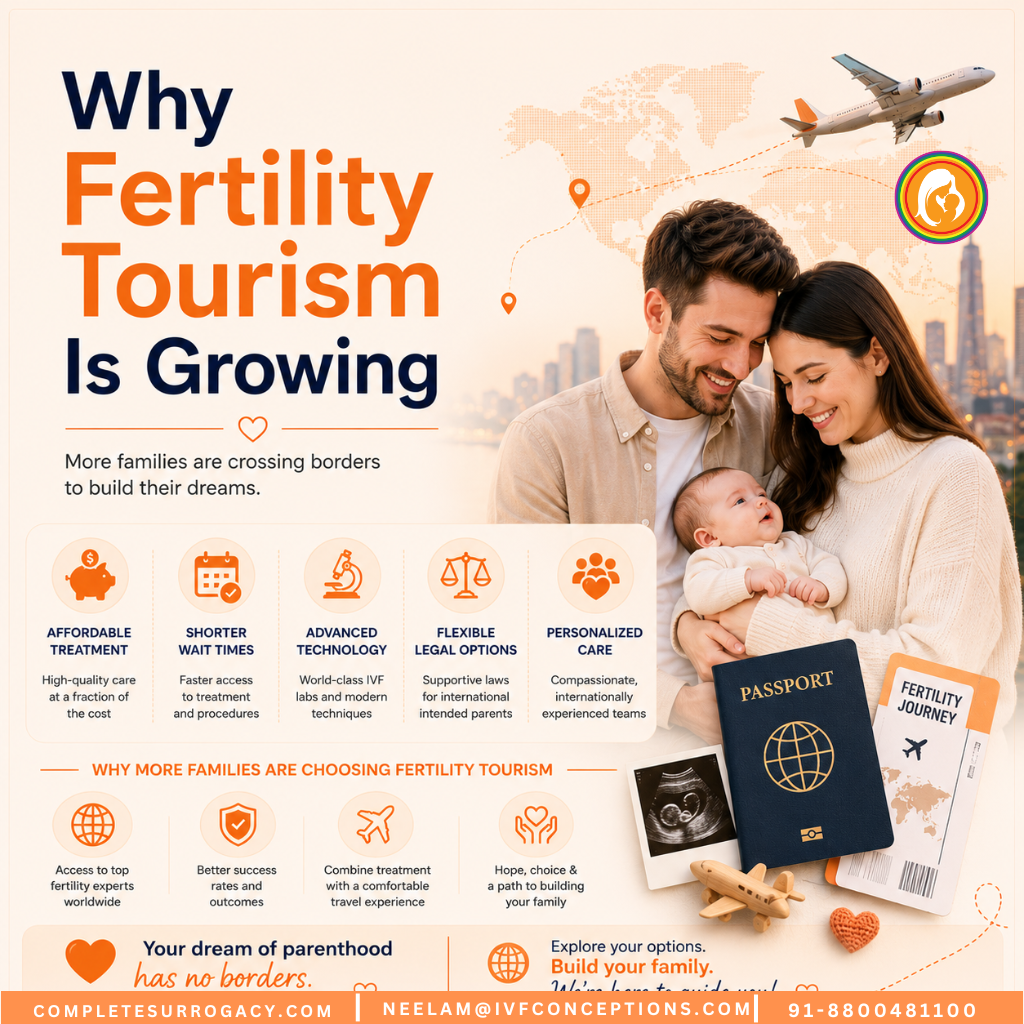
In recent years, more couples and individuals have crossed borders for reproductive care, making why fertility tourism is growing: benefits and risks an increasingly relevant topic. Affordable pricing, advanced medical technologies, and access to treatments restricted at home are driving this global trend—but it also comes with legal, ethical, and logistical challenges.
In this blog, we’ll explore what’s fueling the rise of fertility tourism, the key advantages it offers, and the risks you should be aware of before taking this path.
Key Takeaways
- Fertility tourism is on the rise due to rising global infertility rates.
- Patients are increasingly seeking affordable treatments in international fertility clinics.
- The quality of care and success rates can vary significantly across countries.
- Cultural and legal differences must be considered when pursuing fertility tourism.
- Thorough research is essential for informed decision-making in fertility tourism.
📞 Get in Touch for a Free Surrogacy Consultation
📱 +91-8800481100 (WhatsApp | LINE | Viber)
📧 neelam@ivfconceptions.com
🌐 www.georgiasurrogacyagency.com
The Rise of Medical Tourism for Fertility Treatments
The growth of fertility tourism is evident, driven by various global factors. Rising infertility rates and the high costs of treatments in developed countries fuel demand for affordable alternatives. Many seek help from international fertility clinics, which offer advanced services at lower prices. This search for cost-effective solutions leads more prospective parents to explore cross-border reproductive care.
Global Factors Contributing to Fertility Tourism Growth
Several global factors drive the rapid growth of fertility tourism. A major factor is the increasing rates of infertility, prompting a quick search for solutions. The high treatment costs in developed countries make options abroad more attractive. Favorable legal frameworks and established infrastructures in various nations also enhance global surrogacy options for couples in need.
Increased Accessibility of Assisted Reproductive Technologies
Advancements in assisted reproductive technologies (ART) significantly contribute to the rise of fertility tourism. Improved methods and innovative techniques enable international fertility clinics to offer solutions unavailable at home. This increased accessibility broadens worldwide fertility options, enabling hopeful parents to find treatments that meet their needs.
Why Fertility Tourism Is Growing
The trend in fertility tourism is rising, driven by several key factors. It attracts patients globally. The cost-effectiveness of fertility treatments abroad is a major draw, appealing to those seeking reproductive technologies.
Cost-Effectiveness of Procedures Abroad
The financial burden of fertility treatments can be overwhelming. Fertility procedures abroad offer a more affordable option. This allows patients to save money without compromising on quality. Countries with lower living costs provide these services at a fraction of the U.S. price.
This financial advantage encourages many to seek overseas fertility services. It presents a viable solution for those facing high costs at home.
Availability of Advanced Treatments and Technology
Access to advanced fertility treatments is another driving force behind fertility tourism’s growth. Many international IVF clinics lead in reproductive technology. They offer innovative solutions and experimental procedures.
Patients gain from the latest advancements, boosting their success chances. These clinics are known for their expertise and modern approaches to treating infertility.
Shorter Waiting Times and Flexibility in Treatment Options
Shorter waiting times for IVF are also a significant factor. Destinations for fertility tourism often have less demand, leading to quicker access to treatments. This is a big plus for those who need timely procedures.
There’s also flexibility in treatment options. This allows for a personalized approach, meeting specific needs and preferences. It makes assisted reproductive technologies more accessible and tailored.
Benefits of Fertility Tourism
Fertility tourism presents numerous advantages for those seeking to conceive. It allows individuals and couples to explore various options abroad. These choices can significantly enhance their chances of starting a family.
Lower Costs and Budget-Friendly Options
One key fertility tourism benefit is the substantial cost savings. Compared to treatments in the United States, international clinics offer budget-friendly fertility options. This can greatly reduce the financial strain associated with fertility treatments. The total cost, including travel and accommodation, is often lower than domestic treatments.
Access to Advanced Fertility Treatments
Patients looking for access to IVF and other advanced reproductive technologies find a wealth of options abroad. Many clinics specialize in the latest techniques not commonly found in the U.S. This access can lead to innovative care, potentially boosting success rates.
Increased Success Rates Due to Specialized Clinics
Patients are often attracted to clinics abroad for their higher success rates in fertility clinics. These facilities focus solely on fertility, bringing a wealth of specialized knowledge. This expertise can lead to better outcomes than less specialized centers. Tailored protocols and thorough care offer hope and satisfaction to many.
Risks and Challenges of Fertility Tourism
Fertility tourism offers many benefits, but it also poses significant risks. One major challenge is the legal and regulatory differences across countries. Each nation has its own set of fertility treatment laws, determining what procedures are allowed. This creates a complex environment, as some countries may allow treatments deemed unsafe by others. Patients need to understand these legal regulations to avoid unexpected complications or unethical practices.
Legal and Regulatory Differences Across Countries
Assisted reproductive technologies (ART) must comply with local laws, which can vary greatly. In some areas, strict oversight ensures safety, while others lack clear laws. Before embarking on fertility tourism, it’s essential to research the fertility treatment laws of your destination. This ensures the clinic operates within legal boundaries that prioritize patient safety.
Language and Cultural Barriers in Communication
Another critical factor is the presence of communication barriers in medical tourism. These barriers can lead to misunderstandings about treatment expectations and protocols. Cultural differences in healthcare practices can make these issues worse. Patients need to seek clinics that facilitate clear communication. Understanding cultural sensitivities can improve the experience and lead to better outcomes.
Key Considerations Before Pursuing Fertility Tourism
Before starting on the path of fertility tourism, it’s vital to make informed choices. Exploring the global fertility clinic scene demands a thorough evaluation. Understanding various factors is key to achieving positive results in the treatment journey.
Conducting Thorough Research on Destination Clinics
It’s essential to grasp the quality of care at specific clinics. Researching fertility clinics involves several steps:
- Evaluating clinic success rates in achieving live births.
- Reviewing clinician credentials and their experience in reproductive medicine.
- Reading patient testimonials to gauge overall satisfaction with treatments.
By thoroughly researching fertility clinics, individuals can grasp the services offered and the risks involved. This knowledge is the cornerstone for making wise decisions about fertility tourism.
Understanding Legal and Ethical Implications
Legal frameworks for assisted reproductive technologies vary greatly by country. Prospective patients need to understand:
- The regulatory framework governing fertility treatments in both their home and destination countries.
- The ethical implications of fertility tourism, including the rights of donors and surrogate mothers.
- Potential legal challenges that may arise during the treatment process.
Being aware of these aspects helps in making decisions that respect personal values and legal standards. Addressing these ethical implications ensures a responsible and compassionate approach to fertility tourism.
Additional resources to read:
Surrogacy for Foreigners in Georgia
Citizenship Process for Surrogacy in Georgia Country
Single Parent Surrogacy in Georgia Country
Conclusion
Fertility tourism has become a viable option for those seeking infertility treatments worldwide. It offers significant benefits like cost savings and access to advanced technologies. Yet, it’s important to consider the risks of navigating unfamiliar systems and regulations.
Understanding the legal and ethical implications of medical tourism is key. Each destination has its own set of challenges and opportunities. Making informed decisions is essential for prospective patients. As fertility tourism evolves, balancing safety and success will be critical for those pursuing parenthood.
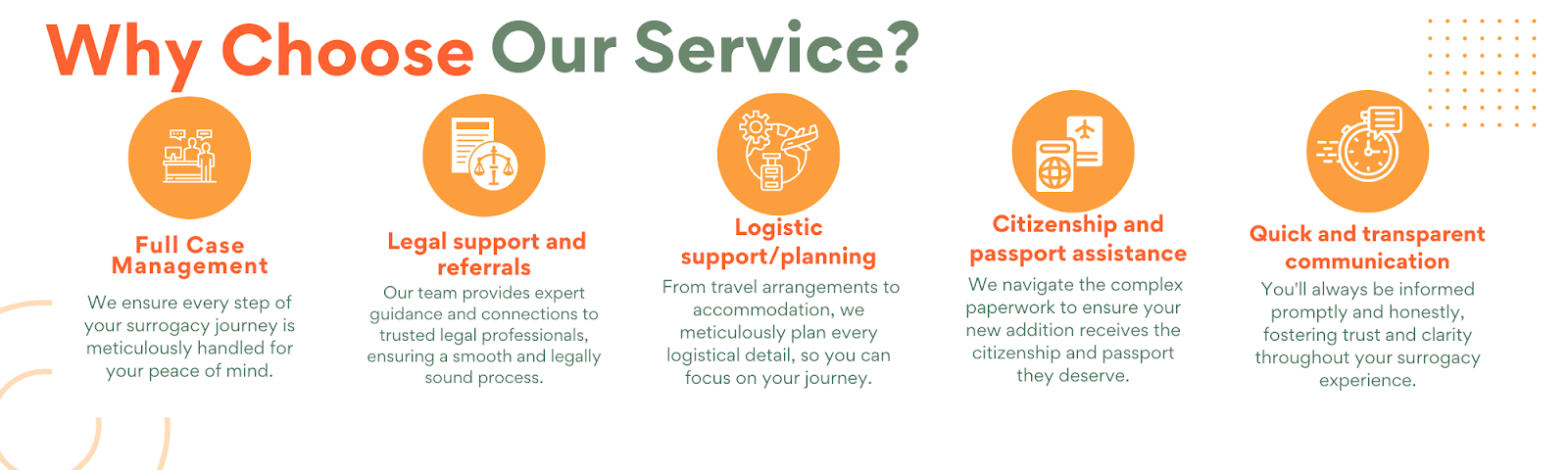
💫 Why Intended Parents Choose Complete Surrogacy for a Safe, Smooth & Successful Surrogacy Journey:
🌍 Access to multiple surrogacy destinations with 15+ years of international experience
🏥 Partnerships with top-tier fertility clinics and agencies, backed by references from past clients
👩🦱 Diverse egg donor options: Asian, Caucasian, African, Oriental, and more
💸 Transparent and affordable pricing—direct payments with no extra agency fees
🔒 No hidden costs—all charges are agreed upon upfront
🤝 Dedicated case manager for personalized support
📲 Fast, honest, and clear communication throughout
📑 Full legal support for visas, documentation, and baby exit processes
🚚 Assistance with frozen sperm/embryo shipment logistics
FAQ: Why Fertility Tourism Is Growing
What is fertility tourism?
Fertility tourism is a form of medical tourism. It involves individuals and couples traveling abroad for fertility treatments. This is due to factors like cost, accessibility, and the latest in reproductive technologies.
Why is there a rise in medical tourism for infertility treatments?
The growth in fertility tourism stems from rising infertility rates. It’s also due to the high costs of treatments in developed countries. People seek advanced assisted reproductive technologies (ART) not available locally.
What are the benefits of seeking fertility treatments abroad?
Traveling for fertility treatments offers several advantages. Costs are significantly lower, and access to advanced treatments is higher. Success rates from specialized clinics are often better. Waiting times are shorter, and there’s more flexibility in treatment options.
What risks should I be aware of with fertility tourism?
There are several risks to consider. Legal and regulatory differences can impact treatment protocols. Safety concerns arise from experimental procedures. Communication barriers due to language and cultural differences are also a factor.
How can I ensure a safe fertility tourism experience?
To ensure a safe experience, conduct thorough research on destination clinics. Evaluate success rates, clinician credentials, and patient testimonials. Familiarize yourself with the legal and ethical implications of fertility treatments in both your home and destination countries.
Which countries are popular for fertility tourism?
Spain, the Czech Republic, and the USA are top destinations for fertility tourism. They are known for their established reproductive healthcare infrastructure and favorable legal environments.
What types of treatments can be sought through fertility tourism?
Patients can access various treatments through fertility tourism. This includes in vitro fertilization (IVF), intrauterine insemination (IUI), egg donation, and surrogacy. These options may not be available or may be too expensive in their home countries.
Is it necessary to consult healthcare professionals in my home country before traveling for treatments?
Yes, consulting with healthcare professionals in your home country is essential. It provides valuable insights and helps navigate the complexities of fertility treatments. This ensures you make informed decisions about pursuing care abroad.

Highly esteemed, authoritative, and trusted professional with a 14-year of experience in international surrogacy. Advocate for Secure, Legal, and Affordable International Surrogacy.
Neelam Chhagani, MA (Counselling Psychology) and Holistic Infertility and Third-Party Reproduction Consultant.
Member of European Fertility Society, Best Surrogacy Blogger of 2020, with 300 dedicated blogs, and top contributor on Quora for Surrogacy.
Add Your Comment