
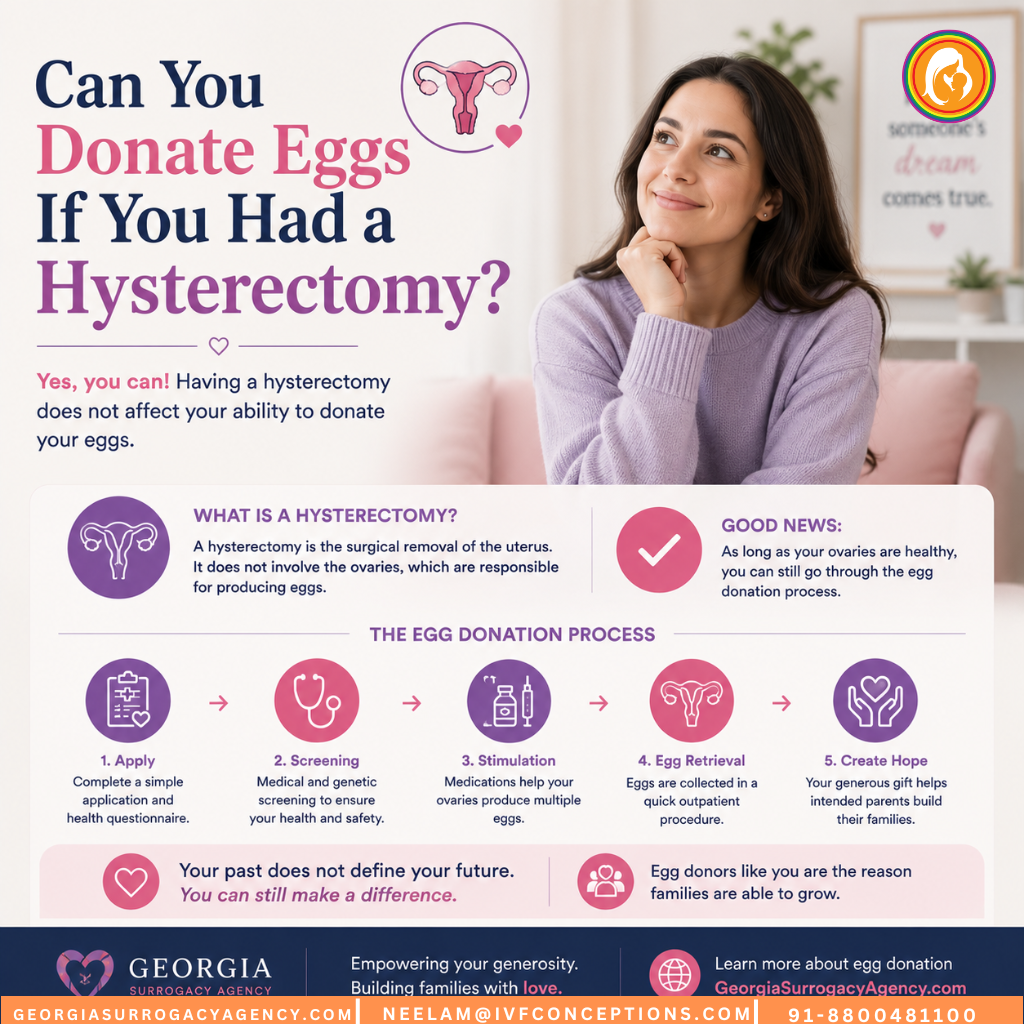
Can You Donate Eggs If You Had a Hysterectomy? Yes, in some cases, women can still donate eggs after a hysterectomy if their ovaries are healthy and functioning normally. A hysterectomy removes the uterus, but if the ovaries are left intact, egg production and ovulation may continue. Fertility specialists usually evaluate ovarian reserve, hormone levels, age, and overall reproductive health before approving someone for egg donation. Understanding Can You Donate Eggs If You Had a Hysterectomy is important for women considering egg donation after surgery or fertility-related procedures.
Considering surrogacy in Georgia?
Explore our detailed Surrogacy in Georgia Guide covering costs, legal process, IVF steps, and what international parents should expect.
| Condition After Hysterectomy | Can Egg Donation Be Possible? | Explanation |
|---|---|---|
| Uterus Removed, Ovaries Intact | Yes | Ovaries can still produce healthy eggs |
| Uterus and Ovaries Removed | No | No eggs are produced without ovaries |
| Partial Hysterectomy | Often Yes | Fertility depends on ovarian function |
| Early Menopause After Surgery | Possibly Difficult | Reduced egg reserve may affect donation |
| Hormone Levels Normal | Higher Chance | Healthy hormones support egg production |
| Fertility Specialist Evaluation | Required | Medical screening is necessary before donation |
| Age Under Donation Limit | Preferred | Most clinics prefer younger donors for better egg quality |

📞 Get in Touch for a Free Surrogacy Consultation
📱 +91-8800481100 (WhatsApp | LINE | Viber)
📧 neelam@ivfconceptions.com
🌐 www.georgiasurrogacyagency.com
What is a Hysterectomy and How It Affects Egg Donation
A hysterectomy is a surgical procedure that removes the uterus. This surgery may be performed for various reasons including uterine fibroids, endometriosis, cancer, or abnormal bleeding. The type of hysterectomy determines what organs are removed during the procedure.
Types of Hysterectomy Procedures
Different hysterectomy types remove different reproductive organs. Understanding which procedure you had is essential for knowing your egg donation eligibility.
Partial Hysterectomy
Removes only the upper part of the uterus while leaving the cervix intact. The ovaries remain in place and continue producing eggs normally.
- Uterus removed above cervix
- Ovaries remain functional
- Egg production continues
- Donation remains possible
Total Hysterectomy
Removes the entire uterus and cervix but typically preserves the ovaries. This is the most common type of hysterectomy performed.
- Complete uterus removal
- Cervix also removed
- Ovaries usually preserved
- Egg retrieval still viable
Hysterectomy with Oophorectomy
Removes the uterus along with one or both ovaries. This procedure significantly impacts fertility and egg donation possibilities.
- Uterus and ovaries removed
- May be unilateral or bilateral
- Hormone production affected
- Egg donation impossible if bilateral
Radical Hysterectomy
Removes uterus, cervix, upper vagina, and surrounding tissues. Usually performed for cancer treatment cases requiring extensive tissue removal.
- Most extensive procedure
- Often includes ovary removal
- Performed for cancer treatment
- Depends on ovarian preservation
How Hysterectomy Impacts Fertility Functions
The uterus serves as the environment where pregnancy develops. Without a uterus, you cannot carry a pregnancy yourself. However, the ovaries function independently to produce eggs throughout your reproductive years.
Your ovaries release eggs monthly in a process called ovulation. These eggs can be retrieved through medical procedures even without a uterus. The egg retrieval process accesses ovaries directly through the vaginal wall using ultrasound guidance.
Hormone production also continues when ovaries remain intact. Your ovaries produce estrogen and progesterone that regulate your menstrual cycle. These same hormones prepare eggs for retrieval during the egg donation process.
Need Clarity on Your Eligibility?
Our experienced fertility specialists can review your medical history and explain your egg donation options. Get personalized answers to your specific situation with a free consultation.
Can You Donate Eggs After a Hysterectomy?
The short answer is yes, but only under specific conditions. If your ovaries were preserved during hysterectomy, egg donation remains medically possible. The egg retrieval procedure does not require a uterus since eggs are collected directly from the ovaries.
Many women successfully donate eggs after hysterectomy when their ovaries remain intact. The procedure follows the same protocol used for women with a uterus. Your ability to donate depends on ovarian function rather than uterine presence.
When Egg Donation Is Possible After Hysterectomy
Egg donation after hysterectomy becomes viable when certain medical conditions are met. These criteria ensure both donor safety and egg quality for recipients.
- Both ovaries remain intact and functional after surgery
- Ovarian reserve shows adequate egg production capability
- Hormone levels indicate normal ovarian function
- At least one ovary is retained if a partial oophorectomy is performed
- No underlying conditions affecting egg quality
- Age falls within donation program parameters (typically under 35)
- Overall health supports the hormone stimulation protocol
- Recovery from the hysterectomy was completed without complications
When Egg Donation Is Not Possible
Certain surgical outcomes make egg donation impossible, regardless of your desire to help others. Understanding these limitations prevents disappointment and helps you explore alternatives.
Complete Oophorectomy: If both ovaries were removed during or after your hysterectomy, you no longer produce eggs. The ovaries are the sole source of eggs in the female body. Without them, egg donation becomes medically impossible.
Some women undergo bilateral oophorectomy for medical reasons, including ovarian cancer, severe endometriosis, or genetic predisposition to ovarian disease. This procedure removes both ovaries along with the uterus.
Even if one ovary was removed, you may still qualify for egg donation if the remaining ovary functions normally. A single healthy ovary can produce sufficient eggs for the donation process. Your fertility specialist can assess ovarian reserve through blood tests and an ultrasound examination.
The Egg Retrieval Process After Hysterectomy
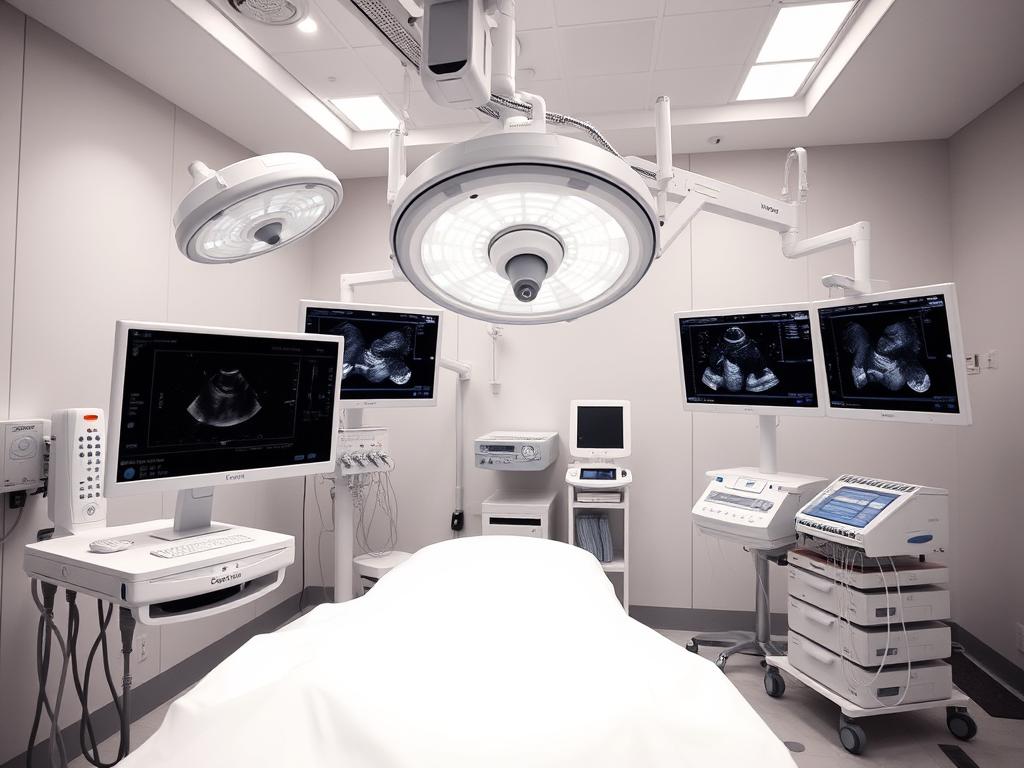
The egg retrieval procedure remains identical whether you have a uterus or not. The process involves several steps that prepare your ovaries and collect mature eggs safely.
- Ovarian Stimulation: You receive hormone injections for 10-14 days to stimulate multiple eggs to mature simultaneously. These medications include FSH and LH hormones that mimic your natural cycle.
- Monitoring: Regular ultrasound examinations track follicle development in your ovaries. Blood tests measure hormone levels to determine optimal retrieval timing.
- Trigger Shot: A final hormone injection triggers eggs to complete maturation. This shot is timed precisely 36 hours before the retrieval procedure.
- Egg Collection: A specialist uses a transvaginal ultrasound to guide a thin needle through the vaginal wall to each ovary. The needle aspirates fluid from follicles containing mature eggs.
- Recovery: The procedure takes 20-30 minutes under sedation. Most donors rest for a few hours and return home the same day.
The absence of a uterus does not complicate this process. The retrieval needle accesses the ovaries through the vaginal wall, not through the uterus. Your anatomical changes from a hysterectomy do not create additional risks during egg collection.
Important Note: While the procedure is the same, your hysterectomy history requires disclosure to the fertility clinic. This information helps doctors adjust protocols and manage your case appropriately. Full transparency ensures your safety throughout the donation process.
Questions about the egg retrieval process after your surgery? Contact our specialists at neelam@ivfconceptions.com for detailed information tailored to your medical history.
Medical Eligibility Criteria for Egg Donation

Egg donation programs maintain strict medical criteria to protect both donors and recipients. These standards ensure egg quality and donor safety throughout the stimulation and retrieval process. Having ovaries after a hysterectomy is necessary but not sufficient for donation eligibility.
Age Requirements for Egg Donors
Most egg donation programs accept donors between the ages of 21 and 34. This age range reflects optimal egg quality and lower risks of genetic abnormalities. Some programs extend the upper limit to 35 in cases with exceptional ovarian reserve.
Women who had a hysterectomy at younger ages often still fall within donation age parameters. Your age at the time of donation matters more than your age when hysterectomy occurred. The procedure itself does not age your eggs or ovaries.
Younger donors typically produce more eggs per cycle and show higher fertilization rates. However, healthy donors in their early thirties still achieve excellent outcomes. Your fertility specialist evaluates your individual egg quality regardless of age.
Ovarian Reserve Testing
Ovarian reserve indicates how many eggs remain in your ovaries and their quality. Several tests measure this reserve to predict egg donation success rates.
| Test Name | What It Measures | Normal Range | Testing Time |
| AMH (Anti-Müllerian Hormone) | Quantity of remaining eggs | 1.0-4.0 ng/mL | Any day of cycle |
| FSH (Follicle Stimulating Hormone) | Ovarian response to hormones | Below 10 mIU/mL | Day 3 of cycle |
| Estradiol (E2) | Baseline hormone production | Below 80 pg/mL | Day 3 of cycle |
| Antral Follicle Count | Number of developing follicles | 10-20 follicles | Days 2-5 of cycle |
Women who had hysterectomy may not have traditional cycle days. Your doctor can perform these tests at any time since you no longer menstruate. The hormone levels and follicle counts remain valid indicators of ovarian function.
HEALTH REQUIREMENTS AND SCREENING
Comprehensive health screening protects everyone involved in the egg donation process. These evaluations identify any conditions that might affect egg quality or donor safety during hormone stimulation.
- BMI within healthy range (typically 18-30)
- No history of genetic disorders or hereditary diseases
- Negative screening for infectious diseases including HIV, hepatitis, and syphilis
- No current use of medications that affect egg quality
- Non-smoker or willing to quit during donation process
- Limited alcohol consumption
- No recreational drug use
- Mental health evaluation showing emotional readiness
- Stable overall health without chronic conditions
- No history of adverse reactions to fertility medications
Special Considerations After Hysterectomy
Your hysterectomy history adds specific considerations to the standard evaluation. Doctors need detailed information about your surgery and recovery to ensure safe participation in egg donation.
Required Medical Documentation
Fertility clinics request comprehensive records about your hysterectomy. This documentation helps doctors understand your current anatomy and any potential complications.
- Complete operative report from hysterectomy
- Pathology results if applicable
- Confirmation of ovarian preservation
- Post-operative recovery notes
- Current hormone level reports
- Recent pelvic ultrasound images
Recovery Timeline Requirements
Most programs require complete healing before starting the donation process. This waiting period ensures your body fully recovered from surgery.
- Minimum 6 months post-surgery
- Complete wound healing verification
- Return to normal activity levels
- No ongoing surgical complications
- Stable hormone production patterns
- Cleared by surgeon for participation
The reason for your hysterectomy may affect donation eligibility. Women who had surgery for cancer treatment often face additional screening. Those who had surgery for benign conditions like fibroids typically qualify more easily.
Psychological Evaluation
All egg donors undergo psychological screening regardless of medical history. This evaluation ensures you understand the donation process and feel comfortable with your decision. The assessment covers your motivations and emotional readiness.
Women who had hysterectomy may experience unique emotional factors. Some feel motivated to help others experience pregnancy they cannot have themselves. Others want their genetic material to create families. These motivations are valid and common among donors with hysterectomy history.
The psychological evaluation also addresses grief or loss related to your hysterectomy. Donors should process these emotions before donation to ensure healthy decision-making. Counseling services can help separate donation decisions from personal fertility loss.
Ready to Learn Your Eligibility Status?
IVFConceptions offers comprehensive fertility evaluations for women interested in egg donation after hysterectomy. Our international team of specialists provides detailed assessment and personalized guidance for your unique situation.
Email us at neelam@ivfconceptions.com for detailed information about our evaluation process.
Alternative Ways to Help After Hysterectomy

Women unable to donate eggs due to ovary removal still have meaningful ways to help others build families. Your experience and generosity can support people facing fertility challenges even without a biological contribution.
Gestational Surrogacy Options
Wait, you might think surrogacy requires a uterus. That is correct. Women who have had a hysterectomy cannot serve as gestational surrogates. However, you can support surrogacy in other important ways.
Many intended parents need guidance from people who understand fertility challenges. Your hysterectomy experience provides a valuable perspective for families considering surrogacy. You might mentor intended parents or connect them with resources.
Some women become surrogacy coordinators or advocates after their own fertility journey. These roles use your experience to help others navigate the surrogacy process. Your understanding of medical procedures and emotional challenges makes you a valuable resource.
Fertility Preservation Before Hysterectomy
Women facing a planned hysterectomy can preserve fertility options through egg or embryo freezing. This process happens before surgery and provides future possibilities for biological children through surrogacy or egg donation.
Egg Freezing (Oocyte Cryopreservation)
This procedure collects and freezes unfertilized eggs before hysterectomy. The frozen eggs remain viable for future use through IVF with a gestational surrogate.
- Preserves genetic material
- No partner required at the time of freezing
- Eggs stored indefinitely
- Used later with surrogate
EMBRYO FREEZING
Eggs are fertilized with partner or donor sperm before freezing. The resulting embryos can create a pregnancy through a gestational surrogate after your hysterectomy.
- Higher success rates than frozen eggs
- Embryos tested before freezing
- Ready for immediate transfer
- Requires partner or sperm donor
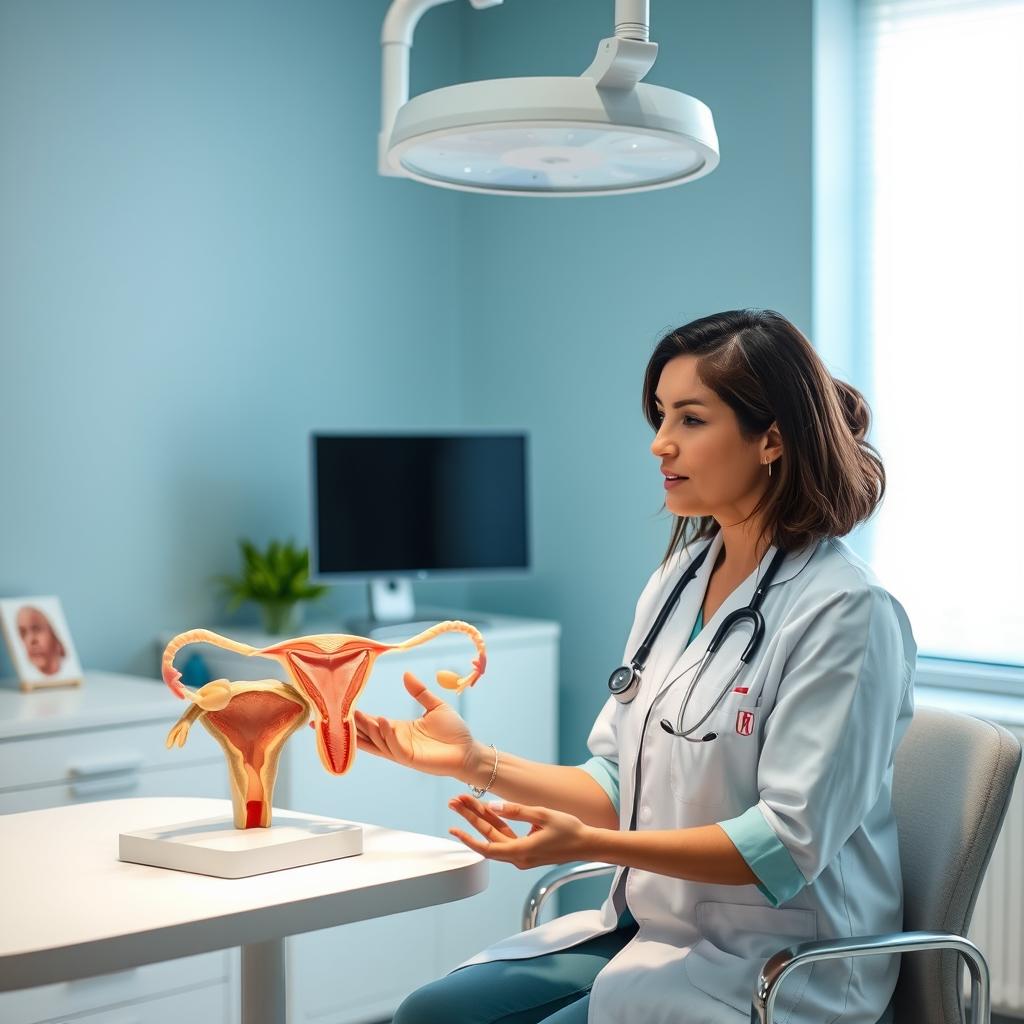
Ovarian Tissue Freezing
A newer option where ovarian tissue is removed and frozen before hysterectomy. This experimental treatment may restore fertility in the future as technology advances.
- Preserves thousands of immature eggs
- Experimental but promising
- May restore hormone function
- Available at specialized centers
Supporting Adoption and Foster Care
Your experience with fertility challenges may inspire you to support adoption or foster care systems. These paths help children who need families while fulfilling your desire to contribute to family creation.
Many organizations need volunteers who understand the emotional complexity of family building. You might mentor adoptive parents, support foster families, or advocate for children in care. Your unique perspective strengthens these support systems.
Advocacy and Education
Sharing your hysterectomy and fertility journey helps other women facing similar challenges. Your story provides hope and practical information for people navigating difficult medical decisions.
- Join online support communities for women with a hysterectomy
- Share your experience through blog posts or social media
- Participate in fertility awareness campaigns
- Volunteer with organizations supporting women’s health
- Mentor women facing hysterectomy decisions
- Advocate for fertility preservation coverage in insurance
- Support research into fertility preservation methods
Education about hysterectomy and fertility options empowers other women. Many doctors do not discuss egg or embryo freezing before surgery. Your advocacy can change this gap in medical care and save future fertility for women facing hysterectomy.
Why Choose IVFConceptions for Fertility Consultation

IVFConceptions specializes in complex fertility cases including egg donation after hysterectomy. Our international team brings decades of combined experience helping women navigate fertility options after gynecological surgery. We understand the unique medical and emotional aspects of your situation.
Comprehensive Fertility Assessment
Our evaluation process examines every aspect of your fertility potential. We review your complete medical history, including surgical records, current health status, and reproductive goals. This thorough assessment determines your egg donation eligibility and identifies alternative options.
The evaluation includes ovarian reserve testing, hormone level analysis, and ultrasound examination of remaining reproductive organs. We also assess your overall health to ensure safe participation in any fertility treatment. Our doctors explain each test result in detail so you understand your options completely.

What Your Assessment Includes
- Complete medical history review
- Surgical record analysis
- Comprehensive hormone testing
- Ovarian reserve evaluation
- Ultrasound imaging of ovaries
- Infectious disease screening
- Genetic counseling when appropriate
- Psychological consultation
- Personalized treatment planning
International Expertise and Success
Georgia Surrogacy Agency coordinates fertility treatments across multiple countries. This international approach provides access to leading specialists and advanced reproductive technology. We match you with the best program for your specific needs and circumstances.
Our network includes top fertility clinics in countries with different regulatory frameworks. Some locations offer more flexibility for egg donation after hysterectomy. We guide you to programs most likely to accept your application and achieve successful outcomes.
Thousands of families worldwide have achieved their dreams through Georgia Surrogacy Agency coordination. Our success comes from personalized attention, medical expertise, and commitment to ethical fertility treatment. We treat every case with the care and respect you deserve.
Personalized Guidance Throughout Your Journey
Fertility decisions after a hysterectomy feel overwhelming. Our team provides support from initial consultation through treatment completion. You receive dedicated coordination that handles medical logistics, answers questions, and advocates for your needs.
Medical Support
- Expert fertility specialists
- Comprehensive health screening
- Medication management guidance
- Procedure coordination
- Post-retrieval follow-up care
- Complication prevention protocols
Emotional Support
- Compassionate counseling services
- Peer support connections
- Decision-making guidance
- Grief and loss processing
- Motivation and encouragement
- Celebration of milestones
Practical Support
- Treatment cost transparency
- Insurance navigation help
- Travel coordination assistance
- Legal guidance and contracts
- Clinic selection recommendations
- Timeline planning and scheduling
Transparent Communication and Education
We believe informed patients make better decisions. Our team explains medical terminology in plain language that you understand. We answer every question thoroughly, no matter how basic or complex.
You receive detailed information about egg donation procedures, risks, and expected outcomes. We discuss realistic success rates based on your specific situation. This transparency helps you set appropriate expectations and feel confident in your choices.
Regular updates keep you informed throughout the treatment process. You always know what step comes next and why. This communication reduces anxiety and helps you feel in control of your fertility journey.
Ethical Standards and Patient Rights
IVFConceptions maintains the highest ethical standards in fertility treatment coordination. We protect your privacy, respect your autonomy, and prioritize your health above all else. Our practice follows international guidelines for responsible reproductive medicine.
Your rights as a patient or donor remain paramount throughout the process. We ensure you understand all legal aspects of egg donation, including parental rights, compensation, and future contact. You make informed decisions without pressure or coercion.
We also screen recipient families carefully to ensure proper matching and ethical treatment usage. Your generous donation helps deserving families through legitimate, regulated programs. This careful oversight protects everyone involved in the egg donation process.
Additional Resources to Read:
Citizenship Process for Surrogacy in Georgia Country
Surrogate Mother in Georgia Country
Affordable Options and Financial Transparency
Fertility treatment costs concern most patients. IVFConceptions provides clear pricing information upfront with no hidden fees. We work within your budget to find appropriate treatment options.
Our international coordination often provides cost savings compared to domestic treatment. We identify high-quality, affordable programs that maintain excellent medical standards. This approach makes fertility options accessible to more families.
Payment plans and financing options help spread costs over time. We also guide you through insurance coverage questions and reimbursement processes. Financial concerns should not prevent you from exploring fertility options.
Begin Your Fertility Journey with IVFConceptions
Take the first step toward understanding your egg donation possibilities after hysterectomy. Our expert team offers free initial consultations to discuss your unique situation and explore all available options. We provide honest guidance tailored to your medical history and goals.
Prefer email? Reach our specialist Neelam at neelam@ivfconceptions.com for detailed information and personalized guidance.
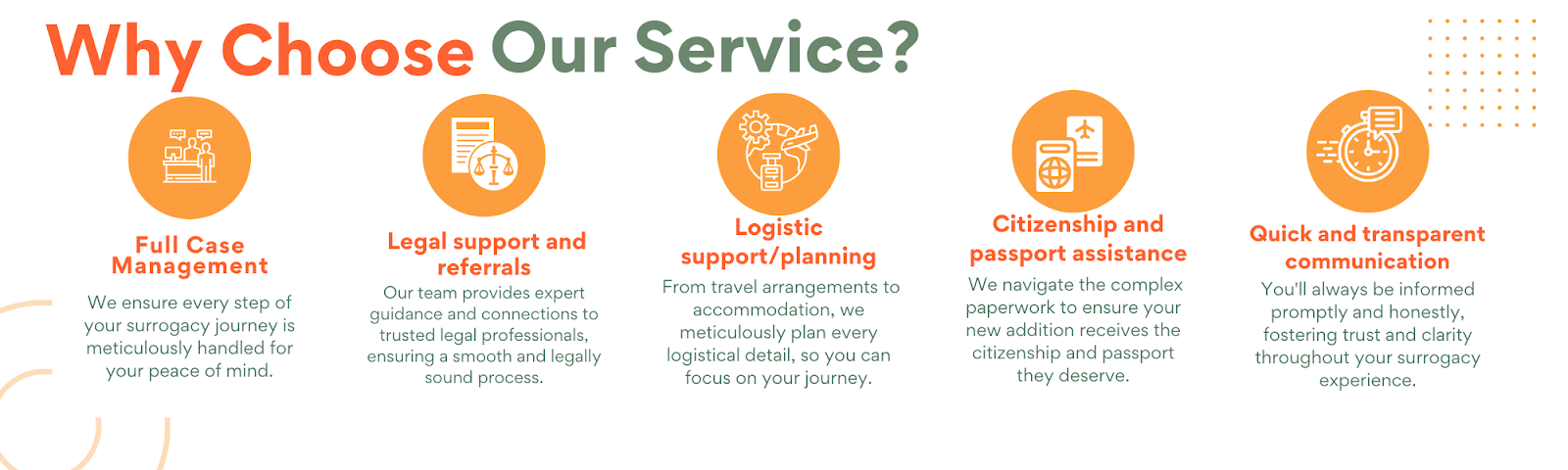
💫 Why Intended Parents Choose Complete Surrogacy for a Safe, Smooth & Successful Surrogacy Journey:
🌍 Access to multiple surrogacy destinations with 15+ years of international experience
🏥 Partnerships with top-tier fertility clinics and agencies, backed by references from past clients
👩🦱 Diverse egg donor options: Asian, Caucasian, African, Oriental, and more
💸 Transparent and affordable pricing—direct payments with no extra agency fees
🔒 No hidden costs—all charges are agreed upon upfront
🤝 Dedicated case manager for personalized support
📲 Fast, honest, and clear communication throughout
📑 Full legal support for visas, documentation, and baby exit processes
🚚 Assistance with frozen sperm/embryo shipment logistics
Frequently Asked Questions About Egg Donation After Hysterectomy
Can I still produce eggs if I had a hysterectomy?
Yes, if your ovaries were not removed during the hysterectomy. The uterus and ovaries are separate organs. Your ovaries continue producing eggs even without a uterus. A hysterectomy only removes the organ where pregnancy develops, not the organs that create eggs.
How long after hysterectomy can I donate eggs?
Most fertility programs require at least six months of recovery after hysterectomy before starting the egg donation process. This waiting period ensures complete healing from surgery. Your doctor will verify that you fully recovered and cleared you for participation. Some cases may require longer waiting depending on surgical complications or health factors.
Does hysterectomy affect egg quality?
No, hysterectomy does not directly affect egg quality. Your eggs remain the same quality they were before surgery. The procedure removes the uterus but does not damage ovarian tissue or eggs. However, the underlying condition that required hysterectomy might affect egg quality in some cases. Your fertility specialist evaluates your specific situation through hormone testing and ultrasound.
Will egg donation be painful after hysterectomy?
The egg retrieval procedure causes the same minimal discomfort whether you had a hysterectomy or not. Most donors describe mild cramping similar to menstrual discomfort. The procedure happens under sedation, so you feel no pain during the retrieval. Recovery typically involves one to two days of rest with over-the-counter pain medication if needed.
Can I donate eggs if only one ovary was removed?
Yes, you can donate eggs with one remaining ovary if it functions normally. A single healthy ovary produces sufficient eggs for donation. Your fertility specialist tests ovarian reserve to confirm adequate egg production. Many successful donors have only one functioning ovary. The key factor is ovarian health rather than having both ovaries present.
What if my ovaries were removed during hysterectomy?
If both ovaries were removed, egg donation becomes impossible. Ovaries are the only source of eggs in the female body. Without them, no eggs exist to retrieve or donate. However, you may have other ways to help families including mentoring, advocacy, or supporting adoption and surrogacy programs. IVFConceptions can discuss alternative paths to contributing to family building.
Do I need hormone replacement therapy to donate eggs after hysterectomy?
Not necessarily. If your ovaries remain intact, they continue producing hormones naturally. You would not need hormone replacement for egg donation. However, the fertility stimulation protocol involves temporary hormone injections to mature multiple eggs simultaneously. These medications differ from long-term hormone replacement therapy. Your doctor explains the specific hormone protocol for egg donation.
Can hysterectomy scar tissue affect egg retrieval?
Scar tissue from hysterectomy rarely affects egg retrieval procedures. The retrieval needle accesses ovaries through the vaginal wall, avoiding surgical scars in the abdomen. However, extensive pelvic adhesions might complicate ovarian access in rare cases. Your fertility specialist performs ultrasound examination to assess anatomy and determine if any scar tissue could impact the procedure.
Will I menstruate after egg donation if I had a hysterectomy?
No, you will not menstruate because you no longer have a uterus. Menstruation requires shedding the uterine lining. However, your ovaries still respond to fertility medications and produce eggs normally. You may experience hormone fluctuations typical of an egg donation cycle including mood changes, breast tenderness, or bloating. These symptoms resolve after egg retrieval when hormone levels return to normal.
Are there age limits for egg donation after hysterectomy?
Yes, most programs accept donors between ages 21 and 34, regardless of hysterectomy history. Some programs extend to age 35 for donors with excellent ovarian reserve. Your age at donation matters more than when you had hysterectomy. Younger donors typically show better outcomes, but healthy donors in their early thirties often qualify. IVFConceptions can identify programs matching your specific age and health profile.
Moving Forward with Your Fertility Options
Understanding your egg donation possibilities after hysterectomy marks an important step in your fertility journey. Whether you can donate depends primarily on ovarian preservation during your surgery. Women with intact ovaries often successfully participate in egg donation programs and help create families.
ional evaluation determines your eligibility and identifies the best path forward for your circumstances.
Take Action Today: Do not let uncertainty prevent you from exploring your options. A simple consultation provides clarity about your egg donation eligibility and alternative family-building paths. Knowledge empowers you to make informed decisions about your fertility future.
Start Your Fertility Consultation Today
IVFConceptions offers free initial consultations for women exploring egg donation after hysterectomy. Our international fertility specialists provide comprehensive evaluation and personalized guidance for your unique medical history. T
Available 24/7 for international clients. Email our specialist Neelam at neelam@ivfconceptions.com for detailed information about your eligibility, treatment options, and next steps. We respond to all inquiries within 24 hours with personalized guidance.

Highly esteemed, authoritative, and trusted professional with a 14-year of experience in international surrogacy. Advocate for Secure, Legal, and Affordable International Surrogacy.
Neelam Chhagani, MA (Counselling Psychology) and Holistic Infertility and Third-Party Reproduction Consultant.
Member of European Fertility Society, Best Surrogacy Blogger of 2020, with 300 dedicated blogs, and top contributor on Quora for Surrogacy.
Add Your Comment