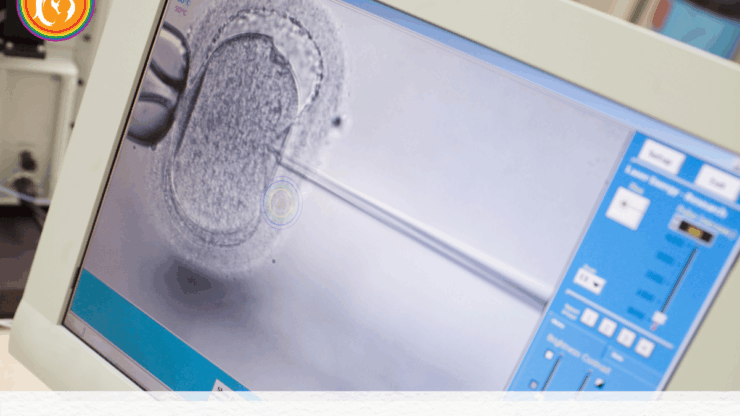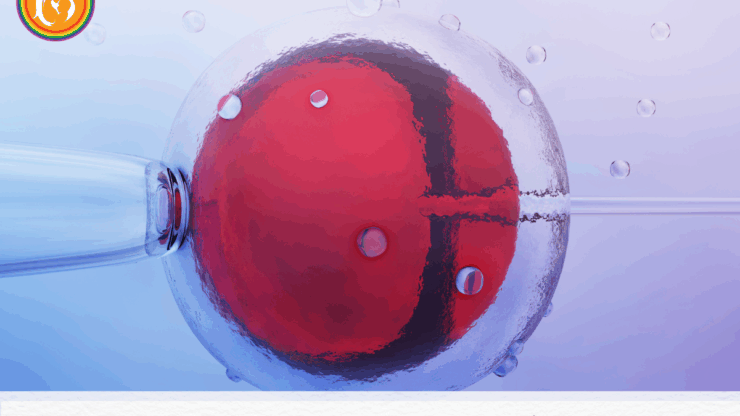
Understanding the difference: IVF vs. surrogacy helps intended parents choose the right path based on medical needs and personal circumstances. IVF (In Vitro Fertilization) is a fertility treatment where eggs and sperm are combined in a lab, and the resulting embryo is transferred into the intended mother’s uterus, making it suitable when pregnancy is medically possible. Surrogacy, on the other…
Preparing emotionally for surrogacy is an important step that helps intended parents navigate the journey with clarity, patience, and confidence. Preparing emotionally for surrogacy involves acknowledging mixed emotions such as hope, anxiety, loss of control, and excitement, while building realistic expectations about timelines, medical uncertainties, and the surrogate relationship. Open communication between partners, emotional readiness to trust another woman…
Understanding male vs female fertility helps clarify how reproductive potential differs and why fertility challenges affect men and women in distinct ways. Female fertility is closely tied to age, as women are born with a finite number of eggs that decline in both quantity and quality over time, especially after 35. Male fertility, while generally lasting longer, can still be…
Knowing how to support your surrogate mother is essential for building a respectful, ethical, and positive surrogacy journey for everyone involved. Emotional encouragement, clear and compassionate communication, and respecting her boundaries help foster trust and mutual understanding throughout the pregnancy. Providing timely medical care, counseling support, and ensuring she feels valued—not pressured—are equally important. When intended parents stay involved,…
Understanding why working with a lawyer is essential in international surrogacy can protect intended parents from serious legal, financial, and citizenship complications. International surrogacy involves multiple legal systems, and a qualified lawyer ensures that surrogacy agreements, parental rights, and birth registration comply with the laws of both the destination country and the parents’ home country. Legal guidance is crucial for…
Facing the reality of when fertility treatments don’t work can be emotionally challenging, but it does not mean the end of the journey to parenthood. Some individuals and couples may not achieve success with repeated IVF cycles due to factors like poor embryo quality, underlying genetic issues, uterine conditions, or unexplained infertility. In such cases, specialists often reassess the diagnosis and…
Understanding the top causes of infertility and how they’re treated can help couples seek the right support sooner and improve their chances of building a family. Common medical reasons include ovulation disorders like PCOS, blocked fallopian tubes, low ovarian reserve, endometriosis, poor sperm quality, and unexplained infertility, where no direct cause is identified. Fortunately, treatments are available for most cases—ranging…
Understanding age and fertility can help individuals and couples make informed decisions about family planning. Fertility reaches its peak in the early 20s, when egg and sperm quality are highest, then gradually declines in the late 20s and early 30s. After 35, women may experience a sharper drop in ovarian reserve and embryo quality, while men may see decreased motility and…
Understanding fertility myths vs facts is essential for anyone trying to conceive or planning future family-building options like IVF or surrogacy. Many people believe that fertility stays strong until the late 30s, or that a healthy lifestyle alone guarantees easy conception, but age-related decline affects both eggs and sperm much earlier than expected. Myths like “stress alone causes infertility” or…
Focusing on how to improve egg quality naturally can make a meaningful difference in fertility, especially for women planning IVF or surrogacy in the future. A diet rich in antioxidants, leafy greens, healthy fats, and whole foods supports better cellular health in the ovaries, while supplements like CoQ10, vitamin D, omega-3s, and folate may enhance mitochondrial function and egg…