Evaluating Surrogacy Agencies in Georgia is a crucial step for intended parents before signing any agreement. With Georgia emerging as a trusted and affordable surrogacy destination, it’s important to assess each agency’s credibility, transparency, and success record. This guide outlines key factors to review—such as legal compliance, surrogate screening, pricing structure, and client feedback—to help parents choose a reliable surrogacy…

Polycystic Ovary Syndrome (PCOS) is one of the most common causes of infertility, making PCOS and fertility: latest treatments and success rates a must-know topic for hopeful parents. Advances in medicine and lifestyle-based approaches now offer more effective ways to regulate cycles, improve egg quality, and boost conception chances. In this blog, we’ll explore the newest PCOS treatments, how…
Colombia is quickly becoming one of the top fertility destinations in Latin America, offering affordable and high-quality IVF treatments with inclusive laws and modern clinics. Thanks to its progressive reproductive healthcare, Colombia is popular among heterosexual couples, single women, and LGBTQ+ families from countries like the USA, Canada, Spain, and across Latin America. Whether you’re using your own eggs,…
After an embryo transfer, you need to be very careful and strategic. This is a key moment in your fertility treatment. Every choice you make can affect your chances of getting pregnant. The days after an embryo transfer are full of hope and anticipation. Doctors suggest certain steps to help the embryo implant. Making smart choices during this time…
The main difference between surrogacy in Georgia vs surrogacy in Armenia is the legal framework and eligibility criteria. Georgia has a well-established, legally regulated surrogacy program exclusively for married heterosexual couples, offering a secure and streamlined process. Armenia, while emerging as a surrogacy destination, has a newer legal structure that is less defined and currently limits surrogacy primarily to Armenian…
In an era where women are achieving professional goals, exploring life on their own terms, and choosing to delay motherhood, egg freezing has emerged as a powerful tool to take control of fertility. With increasing awareness and advancements in reproductive technology, more women are asking, “Should I freeze my eggs now to preserve my fertility for the future?” This blog…
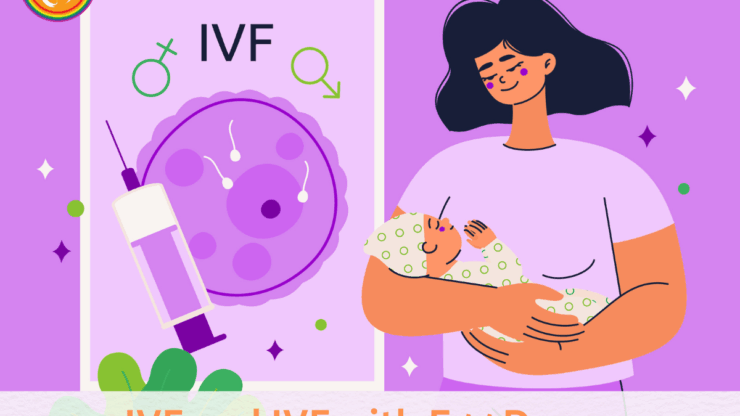
The main difference between IVF and IVF with egg donor lies in the source of the eggs used—IVF uses the intended mother’s eggs, while IVF with donor eggs involves eggs from a healthy, screened donor. If you’re navigating infertility or planning parenthood later in life, understanding these two assisted reproduction methods is crucial. This guide explains the differences, pros and…
Are you or your partner struggling to conceive, wondering if male infertility might be the cause? Infertility affects many couples, and understanding the role of male factors is crucial. According to the American Society for Reproductive Medicine (ASRM), male factors contribute to approximately 50% of all infertility cases, with sperm issues being the sole cause in about 20% of infertile…
Surrogate screening in Mexico is a crucial step in ensuring a safe, ethical, and successful surrogacy journey for both intended parents and the surrogate. Whether you’re an international intended parent or a local couple exploring surrogacy in Mexico, understanding the medical and psychological evaluations involved is essential. Reputable surrogacy agencies in Mexico follow rigorous screening protocols that include physical health…
Surrogate screening in Colombia plays a critical role in ensuring a smooth, safe, and ethical surrogacy experience for all parties involved. Whether you’re an international intended parent or a local couple considering surrogacy, understanding the screening process is essential before starting your journey. In Colombia, reputable surrogacy programs follow a strict screening protocol that includes medical testing, psychological evaluation, and…