

What is Egg Donor Surrogacy in Georgia?
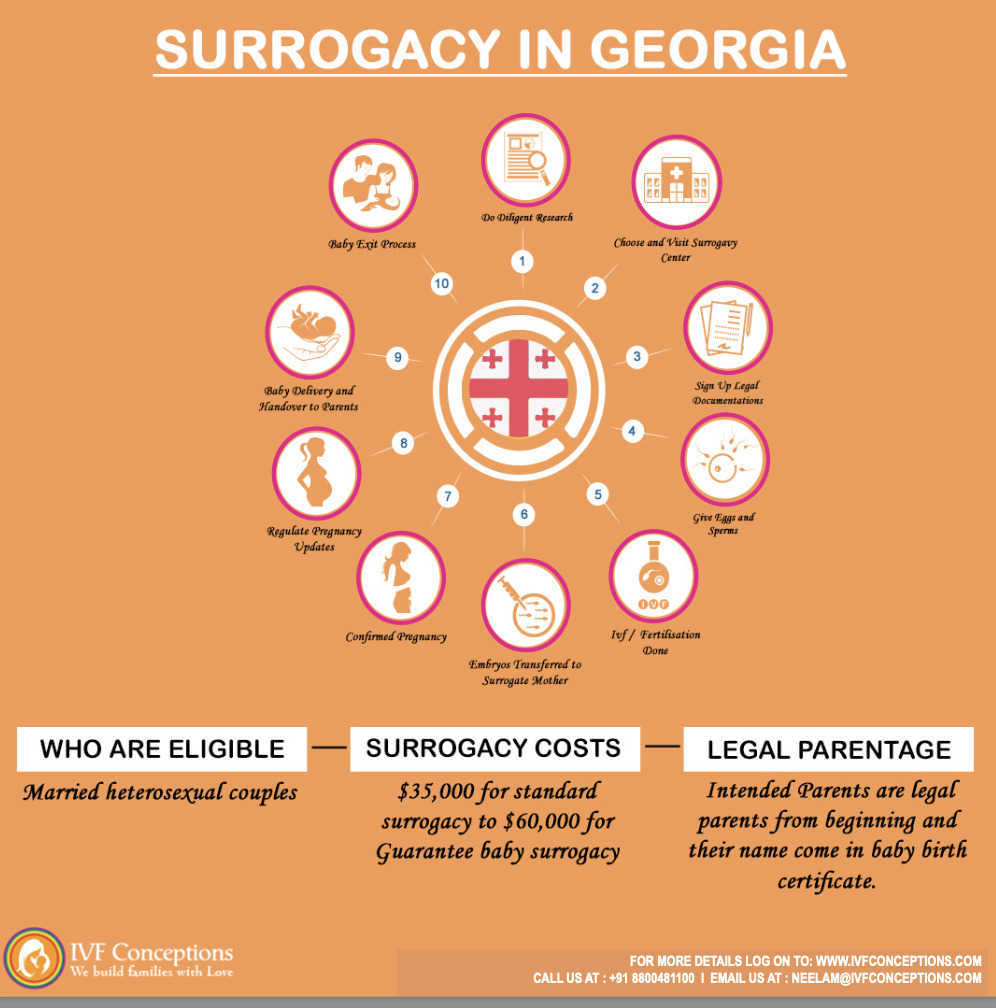
Egg donor surrogacy in Georgia is a specialized reproductive process where intended parents create embryos using donated eggs and sperm, which are then transferred to a gestational surrogate’s uterus. This arrangement allows individuals and couples who cannot conceive or carry a pregnancy to have biological children.
The process combines two essential components: egg donation and gestational surrogacy. An egg donor provides healthy eggs through a controlled ovarian stimulation cycle. These eggs are fertilized with sperm from the intended father or a sperm donor through in vitro fertilization.
The resulting embryos are cultured in an IVF laboratory for several days. The healthiest embryo is then transferred to the surrogate’s uterus, where it implants and develops throughout pregnancy. The surrogate carries the baby but has no genetic connection to the child.
Key Components of Egg Donor Surrogacy
- Comprehensive medical screening for egg donors and surrogates
- Advanced IVF laboratory procedures for embryo creation
- Legal agreements protecting all parties involved
- Psychological support throughout the surrogacy journey
- Medical monitoring during pregnancy and delivery.
Who Participates in the Process
- Intended parents seeking to grow families through surrogacy
- Egg donors who undergo medical screening and evaluation
- Surrogates who carry the pregnancy to term
- Medical teams, including fertility specialists and obstetricians
- Legal counsel ensuring proper documentation and rights
The surrogacy program in Georgia offers comprehensive coordination of all these components. Intended parents work with experienced agencies that manage medical, legal, and logistical aspects. This coordinated approach reduces stress and ensures smooth progression through each stage of the surrogacy journey.
Who Needs Egg Donor Surrogacy in Georgia?

Egg donor surrogacy in Georgia serves a diverse range of intended parents facing various reproductive challenges. Understanding who benefits from these programs helps you determine whether this path aligns with your family-building goals.
Female Intended Parents Who Need Egg Donor Surrogacy
- Women with premature ovarian failure or menopause
- Cancer survivors with compromised fertility
- Those with genetic disorders don’t want to pass on
- Women without a uterus or with uterine abnormalities
- Individuals over 40 with diminished ovarian reserve
- Those with multiple failed IVF attempts using their own eggs
Male Intended Parents and Same-Sex Couples
- Single men pursuing fatherhood independently
- Same-sex male couples building families together
- Men whose female partners cannot carry pregnancy
- Those seeking biological connection through sperm
- International same-sex couples from restrictive countries
- Single fathersexpanding families through surrogacy
If Egg Donor Surrogacy in Georgia is Right for You
Every intended parent’s situation is unique. Our experienced team can help you understand whether egg donor surrogacy in Georgia aligns with your specific needs and circumstances. Schedule a free consultation to discuss your family-building options.
Benefits of Egg Donor Surrogacy in Georgia for International Intended Parents
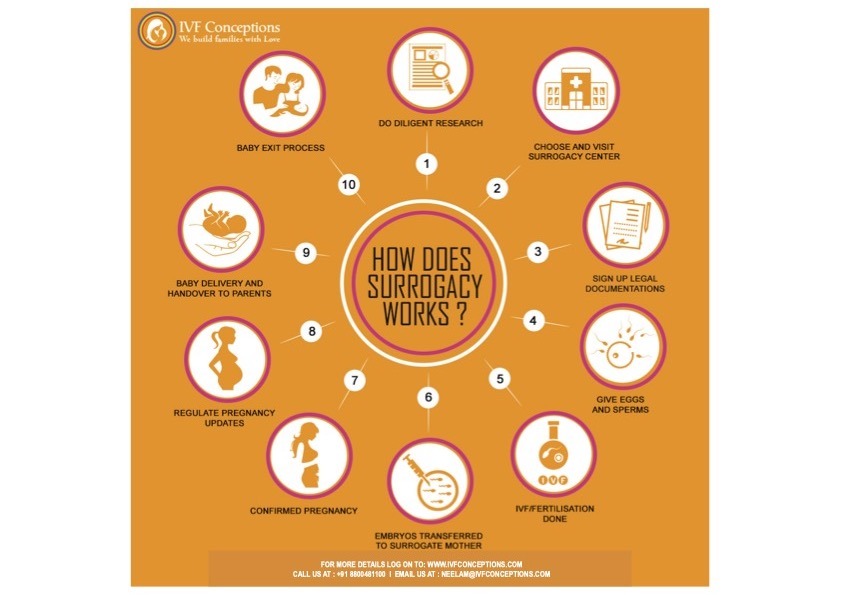
International intended parents choosing Georgia for egg donor surrogacy programs gain numerous advantages beyond basic access to services. These benefits address practical, emotional, and financial aspects of the surrogacy journey.
Legal Protection and Parental Rights from Birth
Georgian Surrogacy law recognizes intended parents as the legal parents immediately upon birth. Birth certificates list intended parents without requiring adoption or court orders. This automatic parental recognition simplifies the process significantly compared to countries requiring post-birth legal proceedings.
The surrogate has no legal claim to the child under Georgian law. Surrogacy agreements in Georgia executed before conception establish intended parents’ rights. This legal framework protects intended parents from custody disputes or complications.
International parents can obtain travel documents for their newborns without delays. Georgian authorities issue birth certificates promptly after delivery. Embassies and consulates process passport applications efficiently for babies born through surrogacy. Most intended parents leave Georgia with their baby within two to four weeks of birth.
Access to Diverse Egg Donor Pool
Georgia’s egg donor databases include donors of various ethnicities, educational backgrounds, and physical characteristics. Intended parents can find donors matching specific preferences regarding appearance, intelligence, talents, and health history. This diversity ensures suitable matches for families from different cultural backgrounds.
Young, healthy egg donors in Georgia typically range from twenty-one to thirty-two years old. This age range corresponds with peak fertility and egg quality. Medical screening eliminates donors with genetic disorders or health concerns that could affect offspring.
Financial Benefits for International Parents
The total cost of egg donor surrogacy in Georgia represents substantial savings compared to Western countries. Comprehensive programs costing fifty to sixty thousand dollars include all necessary services. Equivalent programs in the United States often exceed one hundred fifty thousand dollars.
- Fifty to seventy percent cost savings versus the USA or Australia
- All-inclusive packages with transparent pricing
- No hidden fees for medical complications or extended stays
- Affordable accommodation and living expenses during visits
- Travel costs offset by overall program savings
Medical Excellence and Success Rates
Georgian fertility clinics achieve success rates comparable to top international programs. Fresh egg donor cycles with young donors result in pregnancy rates exceeding sixty percent. Live birth rates remain consistently high across reputable programs.
- Success rates of sixty to seventy percent per embryo transfer
- Advanced embryo selection technology is improving outcomes
- Experienced medical teams with international training
- Comprehensive prenatal care throughout pregnancy
- Modern delivery facilities with neonatal intensive care
Shorter Wait Times and Efficient Timelines
Matching with egg donors and surrogates in Georgia typically occurs within one to three months. Large databases of pre-screened candidates eliminate extended waiting periods. Intended parents can begin their surrogacy journey quickly after program enrollment.
Start Your Surrogacy Journey in Georgia Today
Experience the benefits of Georgia’s world-class surrogacy programs. Our team specializes in supporting international intended parents through every step of the egg donor surrogacy process. Contact us for a personalized consultation and learn how we can help you grow your family.
Step-by-Step Egg Donor Surrogacy Process in Georgia
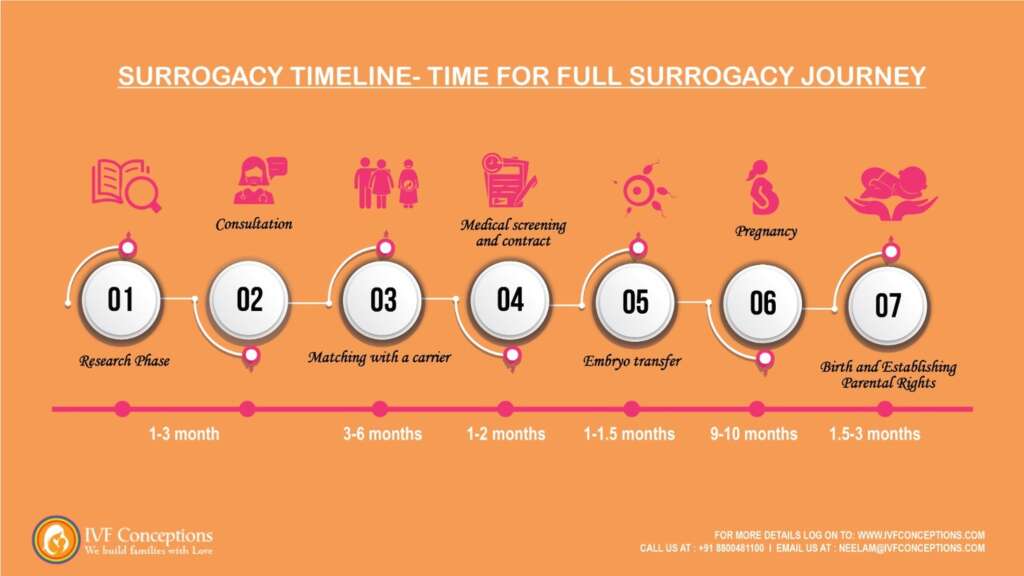
Understanding the complete surrogacy process helps intended parents prepare mentally, financially, and logistically. The journey unfolds through distinct stages, each with specific requirements and timelines. This step-by-step guide outlines what to expect throughout your egg donor surrogacy journey in Georgia.
Stage 1: Initial Consultation and Program Selection
The surrogacy journey begins with an initial consultation with a surrogacy agency or fertility clinic. During this conversation, intended parents discuss their specific situation, preferences, and questions. Specialists explain available program options, legal requirements, and expected timelines.
Medical history review helps determine the most appropriate approach for each family. Intended parents share information about previous fertility treatments, health conditions, and any genetic concerns. This initial assessment guides recommendations for egg donor selection and medical protocols.
Documents Needed for Program Enrollment
- Valid passports for both intended parents
- Marriage certificate, if applicable
- Medical records and fertility test results
- HIV, hepatitis, and other infectious disease screening
- Sperm analysis for the male intended parent or donor
- Financial verification for program fees
Initial Consultation Topics Covered
- Medical history review and fertility assessment
- Program options and customization possibilities
- Egg donor and surrogate selection process
- Legal framework and parental rights in Georgia
- Complete cost breakdown and payment schedule
- Expected timeline from start to baby’s birth
Program selection involves choosing the right agency and clinic combination. Intended parents research reputations, success rates, and service quality. Many schedule consultations with multiple providers before making final decisions. References from previous clients offer valuable insights into agencies’ performance and support quality.
Stage 2: Egg Donor Selection and Screening
Reviewing egg donor profiles represents an exciting but sometimes overwhelming stage. Databases contain detailed information about dozens or hundreds of potential donors. Intended parents consider physical characteristics, ethnicity, education, talents, personality traits, and medical history when making selections.
Phenotype matching helps identify donors whose physical features align with the intended parents’ preferences. Height, weight, hair color, eye color, and facial structure factor into selections. Some intended parents prioritize resemblance to themselves, while others focus primarily on health and fertility.
Stage 3: Surrogate Matching and Medical Preparation
Surrogate selection occurs simultaneously with or shortly after egg donor selection. Intended parents review profiles of pre-screened gestational surrogates who meet medical and psychological requirements. Matching considers practical factors like location, availability, and compatibility of preferences.
Stage 4: Legal Agreements and Documentation
Legal contracts establish the rights and responsibilities of all parties before medical procedures begin. Surrogacy agreements outline compensation, medical decision-making authority, behavioral expectations during pregnancy, and parental rights. These contracts protect everyone involved and prevent future disputes.
Independent legal counsel for the surrogate ensures she fully understands the agreement. Georgian law requires surrogates to have separate legal representation from intended parents. This protection ensures informed consent and voluntary participation.
Stage 5: Medical Protocols and Synchronization
The medical team creates customized treatment protocols for the egg donor and surrogate. Medication schedules coordinate the donor’s egg production with the surrogate’s uterine preparation. Precise timing ensures optimal conditions for embryo implantation.
Egg donor ovarian stimulation begins with fertility medications that encourage multiple follicle development. Daily hormone injections stimulate the ovaries to produce multiple mature eggs. Regular ultrasounds and blood tests monitor follicle growth and hormone levels. The stimulation phase typically lasts ten to fourteen days.
Surrogate uterine preparation involves estrogen and progesterone supplementation. These hormones thicken the uterine lining and create receptive conditions for embryo implantation. The preparation protocol typically begins a few weeks before the planned embryo transfer.
Stage 6: Egg Retrieval and Fertilization
Egg retrieval occurs when follicles reach optimal size, typically after ten to fourteen days of stimulation. The minor surgical procedure takes place under sedation. Using ultrasound guidance, the fertility specialist aspirates eggs from follicles through a thin needle. The procedure lasts twenty to thirty minutes.
Fertilization occurs within hours of egg retrieval using intracytoplasmic sperm injection. This technique injects a single sperm directly into each mature egg. ICSI achieves higher fertilization rates than conventional insemination methods. The fertilization rate typically exceeds seventy percent of mature eggs.
Embryo culture follows fertilization. Embryologists monitor development daily as fertilized eggs progress from single cells to multicellular embryos. Culture systems maintain optimal temperature, pH, and nutrient conditions. Most embryos develop to the blastocyst stage by day five or six.
Stage 7: Embryo Selection and Transfer
Preimplantation genetic testing can be performed on day five or six embryos. PGT screens for chromosomal abnormalities and genetic disorders. A few cells are biopsied from each embryo without harming its developmental potential. Testing takes approximately one week, requiring embryo freezing during analysis.
Embryo selection prioritizes the healthiest embryo for transfer. Morphology grading assesses physical appearance and developmental stage. PGT results identify chromosomally normal embryos. The embryologist and medical team recommend the best embryo based on multiple quality factors.
Embryo transfer is a simple procedure requiring no anesthesia. Using ultrasound guidance, the fertility specialist places the selected embryo into the surrogate’s uterus through a thin catheter. The procedure takes approximately five to ten minutes. Surrogates rest briefly afterward, then resume normal activities.
Single embryo transfer has become standard practice in Georgia. Transferring a single high-quality embryo minimizes the risk of multiple pregnancy while maintaining excellent success rates. Remaining good-quality embryos are cryopreserved for potential future use.
Stage 8: Pregnancy Confirmation and Monitoring
Pregnancy testing occurs approximately ten to twelve days after embryo transfer. Blood tests measure hCG hormone levels, indicating implantation. Rising hCG levels on repeat testing two days later confirm pregnancy progression. This exciting moment marks a crucial milestone in the surrogacy journey.
Ultrasound confirmation at six to seven weeks detects the gestational sac and fetal heartbeat. This ultrasound provides reassurance of a viable pregnancy. Intended parents often travel to Georgia for this appointment to witness the heartbeat firsthand.
Stage 9: Pregnancy and Delivery Preparation
Regular communication keeps intended parents informed throughout the pregnancy. Agencies provide updates on medical appointments, ultrasounds, and the surrogate’s well-being. Many intended parents maintain direct contact with surrogates via messaging or video calls.
Travel planning for delivery requires coordination several weeks in advance. Intended parents typically arrive in Georgia two to four weeks before the due date. This buffer accommodates early delivery possibilities and allows time for bonding after birth.
Delivery occurs at modern Georgian hospitals with experienced obstetric teams. Cesarean sections or vaginal deliveries proceed according to medical recommendations. Intended parents can be present in the delivery room for this momentous occasion.
Stage 10: Birth Certificate and Travel Home
Birth certificate issuance lists intended parents as the legal parents. Georgian civil registry offices process certificates within several days of birth. No adoption or court proceedings are required under Georgian law.
Passport and visa applications for the newborn proceed through the intended parents’ embassy or consulate. Processing times vary by nationality but typically take one to three weeks. Agencies assist with documentation preparation and submission.
Cost of Egg Donor Surrogacy in Georgia (Full Program Breakdown)

Surrogacy cost in Georgia is one of the key reasons why many international intended parents choose this destination for their family-building journey. Compared to high-cost countries like the USA and Western Europe, the cost of surrogacy in Georgia country is more affordable while still offering experienced fertility specialists, reputable IVF clinics in Tbilisi, and legally structured gestational surrogacy programs.
The overall Georgia surrogacy cost typically includes medical treatment, surrogate mother compensation, legal procedures, and program coordination, making it a transparent and cost-effective option for couples seeking international surrogacy in Georgia.
| Cost Component | Price Range (USD) | What’s Included |
| IVF Medical Procedures | $8,000 – $12,000 | Egg retrieval, fertilization, embryo culture, transfer |
| Egg Donor Compensation | $2,000 – $4,000 | Donor time, procedures, medical appointments |
| Surrogate Compensation | $25,000 – $35,000 | Base compensation, monthly allowance, delivery bonus |
| Medical Screening | $1,500 – $2,500 | Donor and surrogate medical examinations, testing |
| Medications | $2,000 – $3,000 | Fertility drugs, progesterone, prenatal vitamins |
| Genetic Testing (Optional) | $2,000 – $4,000 | PGT-A screening for chromosomal abnormalities |
| Prenatal Care and Delivery | $3,000 – $5,000 | Pregnancy monitoring, ultrasounds, hospital delivery |
| Legal Services | $3,000 – $5,000 | Contracts, birth certificate, parental rights documentation |
| Agency Coordination Fee | $8,000 – $12,000 | Case management, matching, logistics, support |
| Insurance and Contingencies | $2,000 – $4,000 | Surrogate health insurance, complication coverage |
Get a Detailed Cost Estimate for Your Surrogacy Program
Every family’s situation is unique, and costs can vary based on specific needs and preferences. Our financial counselors provide transparent, detailed cost breakdowns customized to your circumstances. Schedule a consultation to understand the complete investment for your egg donor surrogacy journey in Georgia.
FAQs About Egg Donor Surrogacy in Georgia

Is egg donor surrogacy legal for foreigners in Georgia?
Yes, egg donor surrogacy is completely legal for foreign nationals in Georgia. Georgian law explicitly permits international intended parents to pursue surrogacy programs without restrictions based on nationality, marital status, or sexual orientation. You receive the same legal protections as Georgian citizens.
The legal framework ensures that intended parents are listed as legal parents on birth certificates from birth. No adoption proceedings are required. Surrogates have no legal claim to the children they carry under Georgian law.
How much does egg donor surrogacy cost in Georgia?
Complete egg donor surrogacy programs in Georgia typically cost between forty-five thousand and sixty-five thousand US dollars. This comprehensive price includes medical procedures, egg donor compensation, surrogate compensation, legal services, and agency coordination.
Compared to similar programs in the United States costing one hundred fifty thousand dollars or more, Georgia offers significant savings of sixty to seventy percent. This cost-effectiveness makes international surrogacy accessible to many families who cannot afford domestic programs.
What are the success rates for egg donor surrogacy in Georgia?
Pregnancy rates per embryo transfer using fresh donor eggs range from sixty-five to seventy-five percent in Georgian fertility clinics. Live birth rates average fifty-five to sixty-five percent per transfer. These success rates compare favorably with top programs worldwide.
Cumulative success rates after two or three embryo transfer attempts exceed eighty-five percent. Most intended parents achieve pregnancy within their first or second transfer when using high-quality donor eggs and experienced surrogates.
How long does the egg donor surrogacy process take in Georgia?
The complete timeline from program enrollment to baby’s birth typically spans twelve to eighteen months. This includes matching with egg donors and surrogates, medical procedures, pregnancy, and delivery. Specific timelines vary based on individual circumstances and matching speed.
Active medical treatment from egg retrieval through embryo transfer takes approximately four to six weeks. Pregnancy lasts nine months. Documentation and travel home typically require two to four weeks after birth.
Can single men and same-sex couples use surrogacy in Georgia?
Yes, Georgian surrogacy laws welcome single men and same-sex male couples. No restrictions exist based on marital status or sexual orientation. Single and LGBTQ+ intended parents receive identical legal protections as heterosexual married couples.
Male same-sex couples can both participate in the surrogacy journey. One partner typically provides sperm while an egg donor and surrogate complete the team. Single men select egg donors independently and proceed through the same process as couples.
How do I select an egg donor in Georgia?
Agencies provide access to extensive egg donor databases with detailed profiles. You review information about physical characteristics, medical history, education, personality, and family background. Most programs include photos and comprehensive health screening results.
Selection is entirely your choice based on preferences and priorities. Some intended parents prioritize physical resemblance while others focus on health, intelligence, or specific talents. Agencies guide you through the selection process and answer questions about available donors.
Will the baby have legal citizenship from my country?
Most countries grant citizenship to children born abroad to their citizens, including those born through surrogacy. The baby typically acquires citizenship through biological connection to the intended parent. Specific procedures vary by country but generally follow standard birth abroad processes.
You apply for a passport through your embassy or consulate in Georgia after receiving the Georgian birth certificate. Required documentation varies by nationality but typically includes the birth certificate, your identification, and proof of citizenship eligibility. Processing takes one to three weeks in most cases.
Do I need to travel to Georgia during the surrogacy process?
Most intended parents visit Georgia two to three times during the surrogacy journey. Trips typically occur for embryo transfer day, pregnancy confirmation ultrasound, and delivery. The final visit for birth lasts longest, usually two to four weeks, to allow time for documentation processing.
Some intended parents choose additional visits for egg retrieval day or other milestones. However, only the final trip for delivery is absolutely necessary. Agencies coordinate medical procedures around your travel availability to minimize required trips.
What happens if the first embryo transfer fails?
If the initial embryo transfer does not result in pregnancy, additional frozen embryos from the same egg retrieval cycle can be transferred. Most programs create multiple embryos during IVF, providing backup options. Frozen embryo transfers have good success rates and cost significantly less than starting a new cycle.
Medical teams review the failed cycle to identify potential improvements for subsequent attempts. Adjustments to medication protocols or transfer timing may increase success on second attempts. Most intended parents achieve pregnancy within two or three transfers.
How is the surrogate compensated in Georgia?
Surrogates in Georgia receive compensation ranging from fifteen thousand to twenty thousand dollars. This payment is distributed throughout pregnancy with base compensation, monthly allowances, and delivery bonuses. Additional compensation applies for multiple pregnancies or cesarean deliveries.
Surrogate compensation is legal in Georgia and explicitly distinguished from baby-selling. Payment compensates surrogates for their time, physical discomfort, lifestyle restrictions, and commitment to intended parents. Compensation is outlined clearly in surrogacy agreements before medical procedures begin.
Can I stay in contact with the surrogate after birth?
Communication preferences vary among intended parents and surrogates. Some families maintain contact through letters, photos, or occasional visits. Others prefer ending the relationship after delivery. These preferences should be discussed during matching and outlined in surrogacy agreements.
Many intended parents find maintaining some level of contact feels appropriate and positive. Surrogates often appreciate knowing about the child’s well-being. The level and frequency of contact should feel comfortable for both parties and can evolve naturally over time.
What medical screening do egg donors undergo in Georgia?
Egg donors complete comprehensive medical evaluations including physical examinations, reproductive health assessments, genetic testing, and infectious disease screening. Ovarian reserve testing confirms fertility potential. Medical history review spans multiple generations to identify hereditary conditions.
Psychological evaluations ensure donors understand the process and are emotionally prepared. Only healthy women with proven fertility and no genetic concerns pass screening. This thorough vetting ensures high-quality eggs and protects all parties involved in the surrogacy process.
Is there a guarantee I will have a baby through surrogacy?
While no medical program can guarantee pregnancy outcomes, success rates with egg donor surrogacy are very high. Cumulative success rates after multiple embryo transfer attempts exceed eighty-five percent. Most intended parents achieve pregnancy and bring home healthy babies.
Some agencies offer guarantee programs where you continue treatment until pregnancy is achieved. These programs typically cost more upfront but provide peace of mind. Standard programs usually include one or two embryo transfer attempts with options to continue if needed.
What if my country doesn’t recognize foreign surrogacy?
Even countries that prohibit domestic surrogacy often allow citizens to pursue surrogacy abroad. Legal recognition varies but most nations grant citizenship to children born to their citizens overseas. Some countries require additional legal proceedings like parentage orders after returning home.
Consult with attorneys familiar with international surrogacy in your home country before beginning programs. Legal professionals can explain specific requirements and any post-birth procedures needed. Most families successfully navigate home country requirements with proper legal guidance.
Can I use PGT genetic testing on embryos in Georgia?
Yes, preimplantation genetic testing is available at Georgian fertility clinics. PGT screens embryos for chromosomal abnormalities before transfer. This testing increases success rates and reduces miscarriage risk by identifying the healthiest embryos.
PGT costs approximately two thousand to four thousand dollars and adds one week to the timeline while embryos are analyzed. Results guide selection of the best embryo for transfer. Many intended parents choose PGT to optimize their chances of pregnancy and healthy baby.
Have More Questions? We’re Here to Help
Every surrogacy journey is unique, and you likely have specific questions about your situation. Our knowledgeable team has helped hundreds of international intended parents navigate egg donor surrogacy in Georgia. We’re ready to answer all your questions and provide personalized guidance for your family-building journey.

Begin Your Egg Donor Surrogacy Journey in Georgia
Overall, egg donor surrogacy in Georgia provides intended parents with a balanced solution that combines legal protection, medical expertise, and cost efficiency. From donor selection and IVF treatment to surrogate matching and the baby’s birth certificate process, the entire surrogacy journey in Georgia country is well organized and professionally managed.
For eligible couples seeking international surrogacy with egg donor in Georgia, partnering with an experienced Georgia surrogacy agency and licensed fertility clinics can help ensure a safe, transparent, and successful path to parenthood.