
Choosing Between Fresh Egg Donation and Frozen Egg Bank: What to Consider
Are you considering building your family through surrogacy, but unsure whether to choose an egg donor or a frozen egg bank? This decision is crucial and depends on various individual circumstances and preferences. When it comes to egg donation, both fresh and frozen cycles have their advantages and drawbacks. Understanding these differences is key to making an informed decision that suits your needs. You may be wondering what factors to consider when comparing these options. As you navigate this complex process, it’s essential to have a clear understanding of what to expect.
Key Takeaways for fresh egg donation vs frozen egg bank
- Understand the differences between using an egg donor and a frozen egg bank.
- Consider your individual circumstances and preferences.
- Learn about the advantages and disadvantages of fresh and frozen egg donation cycles.
- Discover the factors that influence the success of your chosen path.
- Gain clarity on what to expect during the process.
📞 Get in Touch for a Free Surrogacy Consultation
📱 +91-8800481100 (WhatsApp | LINE | Viber)
📧 neelam@ivfconceptions.com
🌐 https://www.georgiasurrogacyagency.com/
Why Intended Parents Choose Complete Surrogacy for a Safe, Smooth & Successful Surrogacy Journey:
🌍 Access to multiple surrogacy destinations with 15+ years of international experience
🏥 Partnerships with top-tier fertility clinics and agencies, backed by references from past clients
👩🦱 Diverse egg donor options: Asian, Caucasian, African, Oriental, and more
💸 Transparent and affordable pricing—direct payments with no extra agency fees
🔒 No hidden costs—all charges are agreed upon upfront
🤝 Dedicated case manager for personalized support
📲 Fast, honest, and clear communication throughout
📑 Full legal support for visas, documentation, and baby exit processes
Additional guides for surrogacy in India:
Is Single Parent Surrogacy Legal in India- Your Guide for Surrogacy in India
Cost of Altruistic Surrogacy in India: A Complete Guide
Surrogacy in India for OCI Card Holders: Navigating the Process
What is the Legal Procedure for Surrogacy in India
Understanding Your Fertility Options
For many individuals and couples, navigating the world of fertility options can be daunting, especially when it comes to choosing between egg donor programs and frozen egg banks. As you embark on this journey, it’s essential to understand the fundamentals of each option to make an informed decision that aligns with your needs and preferences.
What is an Egg Donor Program?
An egg donor program involves using eggs from a donor that are retrieved and then immediately fertilized with the intended parent’s or partner’s sperm, or donor sperm, through in vitro fertilization (IVF). This process is also known as synchronous or “fresh” egg donation.
Egg donor programs typically involve a thorough screening process for both the donor and the intended parents. Donors are selected based on various criteria, including age, health, and genetic background. The use of fresh eggs can offer higher success rates due to the eggs’ freshness and the ability to tailor the timing of the embryo transfer.
What is a Frozen Egg Bank?
A frozen egg bank, on the other hand, stores donated eggs that have been cryopreserved, or frozen, for future use. This is referred to as asynchronous or “frozen” egg donation. The process involves retrieving eggs from a donor, freezing them, and then thawing and fertilizing them when the intended parent is ready.
Frozen egg banks offer the advantage of quicker access to donor eggs, as the eggs are already retrieved and frozen. This can be particularly beneficial for individuals or couples who need to move forward with their fertility treatment without the delay of synchronizing with a fresh egg donor cycle.
Comparing Egg Donor vs Frozen Egg Bank Processes
To make an informed decision, it’s essential to delve into the specifics of egg donor and frozen egg bank processes. Understanding the timelines, steps involved, and requirements for each option can significantly impact your journey to parenthood.
Fresh Egg Donation Timeline and Steps
Fresh egg donation involves a synchronized process between the donor and the recipient. The steps include:
- Donor Screening: Potential donors undergo thorough medical and psychological screening.
- Synchronization: The donor’s cycle is synchronized with the recipient’s to ensure optimal timing for embryo transfer.
- Egg Retrieval: Eggs are retrieved from the donor through a minor surgical procedure.
- Fertilization: The retrieved eggs are fertilized with sperm to create embryos.
- Embryo Transfer: The embryos are transferred to the recipient’s uterus.
This process typically takes a few weeks to a couple of months, depending on the synchronization and readiness of both parties.
Frozen Donor Egg Retrieval Process
The frozen donor egg process involves using eggs that have been previously retrieved, fertilized, and cryopreserved. The key steps include:
- Donor Egg Retrieval: Eggs are retrieved from the donor and then frozen for future use.
- Thawing and Fertilization: When needed, the frozen eggs are thawed and fertilized with sperm.
- Embryo Transfer: The resulting embryo(s) are transferred to the recipient’s uterus.
Using frozen donor eggs simplifies the process for the recipient, as it eliminates the need for cycle synchronization.
Analyzing the Costs of Each Option
Understanding the cost implications of different fertility options is essential for making informed decisions. When considering egg donation or using a frozen egg bank, the financial aspects play a significant role in the decision-making process.
The costs associated with these options can vary widely, depending on several factors, including the type of service chosen, the agency or bank used, and the specific requirements of the individual or couple.
Egg Donor Agency Fees and Associated Expenses
Working with an egg donor agency involves various costs. Egg donor agency costs typically range from $15,000 to $20,000 or more, depending on the agency’s reputation, success rates, and the services offered.
- Donor compensation: $5,000 to $10,000 per donation cycle
- Agency management fees: $3,000 to $5,000
- Donor screening and testing: $1,000 to $2,000
- Additional expenses for legal fees, psychological evaluations, and other services
It’s essential to understand that these costs are in addition to the medical expenses associated with the IVF process itself.
Frozen Egg Bank Pricing Structure
In contrast, frozen egg banks offer a more streamlined and often more cost-effective solution. The frozen egg bank cost typically includes the cost of the eggs, shipping, and sometimes the initial consultation.
| Service | Cost Range |
|---|---|
| Frozen egg bank cost per cycle | $10,000 to $15,000 |
| Initial consultation | $200 to $500 |
| Shipping and storage | $500 to $1,000 |
According to MyEggBank, using frozen eggs can be more cost-effective since the overall treatment cost is less due to the absence of cycle synchronization.
When evaluating the costs, consider not only the initial expenses but also the potential for multiple cycles and the overall success rates of each option.
Evaluating Success Rates and Outcomes
Evaluating the success rates of fresh and frozen egg donations is a critical step in making informed fertility decisions. When considering fertility treatments, understanding the effectiveness of each option can significantly impact your choice.
Fresh Donor Egg Success Statistics
Fresh donor egg cycles have historically shown higher success rates compared to frozen egg cycles. According to data from fertility clinics, the use of fresh donor eggs results in higher pregnancy and live birth rates. This is largely due to the quality and viability of fresh eggs.
Key statistics for fresh donor egg success rates include:
- Higher pregnancy rates per transfer cycle
- Increased live birth rates compared to frozen eggs
- Lower miscarriage rates due to the higher quality of fresh eggs
| Outcome | Fresh Donor Eggs | Frozen Donor Eggs |
|---|---|---|
| Pregnancy Rate per Transfer | 55-65% | 40-50% |
| Live Birth Rate per Transfer | 45-55% | 30-40% |
| Miscarriage Rate | 10-15% | 15-20% |
Frozen Donor Eggs Success Rates
Frozen donor eggs, while having lower success rates than fresh eggs, offer several advantages, including higher predictability of available eggs and reduced wait times. Advances in freezing technology, such as vitrification, have significantly improved the viability of frozen eggs.
Notable trends in frozen donor egg success rates include:
- Improved pregnancy rates with vitrification techniques
- Increased availability and reduced costs compared to fresh egg cycles
- Comparable live birth rates to fresh eggs in some clinics
It’s essential to discuss these statistics with your fertility specialist to understand how they apply to your specific situation.
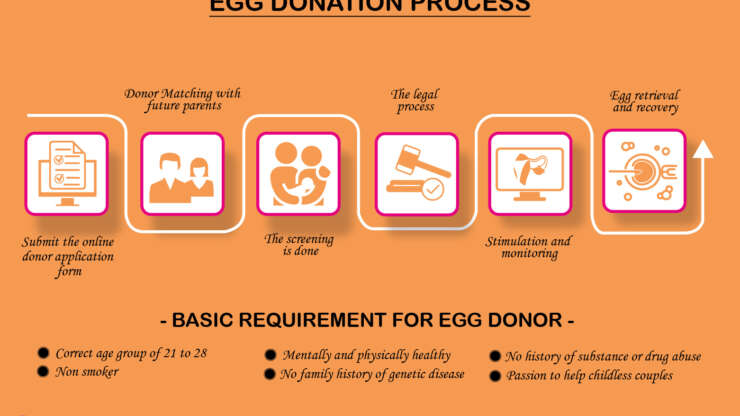
Image courtesy- IVF Conceptions
Weighing the Pros and Cons of Each Path
As you navigate the complex world of fertility treatments, weighing the benefits and drawbacks of egg donors and frozen egg banks becomes essential. Both options have their unique advantages and challenges that can significantly impact your journey to parenthood.
Advantages of Working with an Egg Donor
Working with an egg donor can offer several benefits, including a potentially higher number of eggs available for fertilization and the possibility of higher pregnancy rates due to the freshness of the eggs. Fresh egg donation allows for a more synchronized approach between the donor and the recipient, which can be advantageous.
- Higher pregnancy rates due to the use of fresh eggs
- Ability to synchronize the donor and recipient cycles
- Potential for multiple eggs to be retrieved and fertilized
Challenges of Fresh Egg Donation
Despite its benefits, fresh egg donation comes with its own set of challenges. The process requires careful synchronization between the donor’s and recipient’s cycles, which can be complex and emotionally taxing. Additionally, fresh egg donation tends to be more expensive due to the agency fees, donor compensation, and the medical procedures involved.
- Higher costs are associated with agency fees and donor compensation
- Complex cycle synchronization between donor and recipient
- Potential emotional challenges due to the personal nature of the process
Benefits of Using Frozen Egg Banks
Frozen egg banks offer a more streamlined and cost-effective alternative to fresh egg donation. One of the primary benefits is the flexibility it offers, as the eggs are already available and can be used at the intended parents’ convenience. This option also tends to be less expensive since it eliminates the need for cycle synchronization and reduces the overall medical and agency costs.
- Cost-effectiveness compared to fresh egg donation
- Flexibility in timing for the intended parents
- Reduced complexity due to the absence of cycle synchronization
Limitations of Frozen Donor Eggs
While frozen egg banks offer several advantages, there are also some limitations to consider. The pregnancy rates might be slightly lower compared to using fresh eggs, although advancements in freezing technology have significantly narrowed this gap. It’s essential to discuss these aspects with a fertility specialist to understand the implications fully.
- Potential for slightly lower pregnancy rates
- Variability in egg quality despite advancements in freezing technology
- Need for careful consideration of the egg bank’s quality and reputation
Understanding Donor Screening and Selection Criteria
When considering fertility options, understanding the screening and selection criteria for egg donors and the quality standards for frozen egg banks is crucial. This knowledge empowers you to make informed decisions about your path to parenthood.
Egg Donor Qualifications and Screening Processes
Egg donors undergo comprehensive screenings to ensure their eggs are healthy and viable. These screenings include:
- Medical evaluations to assess overall health and genetic history
- Psychological assessments to evaluate emotional stability and readiness for the donation process
- Genetic testing to identify potential genetic disorders or abnormalities
Rigorous screening processes are in place to safeguard the health of both the donor and the recipient, as well as the quality of the donated eggs.
Frozen Egg Bank Quality Standards
Frozen egg banks adhere to stringent quality standards to ensure the viability and health of the donated eggs. These standards include:
- Cryopreservation techniques to preserve egg quality during freezing and storage
- Quarantine and testing protocols to minimize the risk of disease transmission
- Donor screening processes similar to those used for fresh egg donations
The quality standards for frozen egg banks are designed to provide confidence in the donation process and the health of the donated eggs.
| Criteria | Egg Donor | Frozen Egg Bank |
|---|---|---|
| Medical Screening | Comprehensive medical evaluation | Donor medical history review |
| Psychological Evaluation | Psychological assessment | Donor psychological screening (prior to donation) |
| Genetic Testing | Genetic testing for disorders | Genetic testing for donors |
| Cryopreservation | N/A | Cryopreservation techniques used |
Navigating Legal and Emotional Considerations
As you navigate the world of egg donation, you will encounter a range of legal and emotional considerations that are essential to understand.
Legal Aspects of Egg Donation
Egg donation is subject to varying legal frameworks across different countries and even within regions of the same country. It’s crucial to understand the legal implications of egg donation in your jurisdiction. For instance, some countries have strict regulations regarding the compensation of egg donors, while others may have specific laws governing the use of donated eggs in fertility treatments.
The legal aspects of egg donation also involve contractual agreements between the donor and the intended parents. These contracts typically cover issues such as the donor’s rights and responsibilities, the intended parents’ rights, and the legal parentage of any resulting child. Ensuring that these contracts are comprehensive and legally binding is vital to avoid potential disputes.
Emotional Factors in the Decision-Making Process
The decision to use egg donation can be emotionally complex, involving a range of feelings from hope and excitement to anxiety and uncertainty. It’s normal for intended parents to grapple with the emotional implications of using a donor’s eggs, including concerns about the genetic link between the donor and the child.
Emotional support is a critical component of the egg donation process. Many fertility clinics and egg donor agencies offer counseling services to help intended parents and donors navigate the emotional aspects of the process. Engaging with these services can provide valuable emotional support and guidance throughout the journey.
Moreover, the emotional factors at play can be influenced by the type of egg donation chosen. For example, working with a known egg donor may raise different emotional considerations compared to using an anonymous donor through a frozen egg bank. Understanding these emotional nuances is key to making an informed decision that aligns with your personal and family needs.
Step-by-Step Guide to Choosing Between Egg Donor and Frozen Egg Bank
Choosing between an egg donor and a frozen egg bank is a significant decision that involves evaluating several factors, including your timeline, budget, genetic and physical matching priorities, and success rates. As you navigate this complex decision, it’s essential to consider what matters most to you and your family.
Assess Your Timeline Requirements
Your timeline is a critical factor in deciding between an egg donor and a frozen egg bank. If you’re on a tight schedule, a frozen egg bank might be more suitable since it allows for quicker access to donor eggs. On the other hand, working with an egg donor can take longer due to the matching and screening process. Consider how quickly you need to start your fertility treatment and choose the option that best aligns with your timeline.
Evaluate Your Budget Constraints
The cost of using an egg donor versus a frozen egg bank varies significantly. Egg donor programs often involve higher costs due to the agency fees, donor compensation, and other associated expenses. Frozen egg banks, while still a significant investment, can be more cost-effective. You should evaluate your budget to determine which option is more feasible for you.
Consider Genetic and Physical Matching Priorities
Both egg donors and frozen egg banks offer the opportunity to select a donor based on genetic and physical characteristics. However, the level of control and matching criteria can differ. With an egg donor, you can often have more direct involvement in the selection process, including the possibility of meeting the donor or having detailed information about them. Frozen egg banks provide profiles of donors, allowing you to select based on various attributes. Consider what characteristics are non-negotiable for you and choose the option that best meets your needs.
Review Success Rates for Your Situation
Success rates can vary between egg donor programs and frozen egg banks. It’s crucial to review the success rates of both options, considering factors like the age of the donor, the quality of the eggs, and the expertise of the fertility clinic. Understanding the success rates will help you make an informed decision that aligns with your fertility goals.
By carefully assessing your timeline, budget, genetic and physical matching priorities, and reviewing success rates, you can make a well-informed decision that suits your needs. Whether you choose to work with an egg donor or a frozen egg bank, being informed will help you navigate your fertility journey with confidence.
Finding and Vetting Reputable Providers
Selecting a trustworthy egg donor agency or frozen egg bank is a critical step in your fertility journey. This decision can significantly impact your overall experience and the success of your fertility treatment. Therefore, it’s essential to conduct thorough research and due diligence when evaluating potential providers.
When searching for an egg donor agency or frozen egg bank, you should consider several key factors, including their reputation, success rates, and the services they offer. A reputable provider will be transparent about their processes, costs, and outcomes. They should also offer comprehensive support throughout the process, from initial consultation to post-procedure care.
Questions to Ask Egg Donor Agencies
When evaluating an egg donor agency, it’s crucial to ask the right questions to ensure you’re working with a reputable and reliable partner. Some key questions to consider include:
- What is the agency’s success rate with egg donations, and how do they measure success?
- How does the agency screen and select egg donors, and what criteria do they use?
- What is the agency’s policy on donor anonymity, and can you choose to remain anonymous or have an open relationship with the donor?
- What are the total costs associated with using the agency’s services, and what’s included in the overall price?
- What kind of support and counseling services does the agency offer to intended parents and donors?
By asking these questions, you can gain a better understanding of the agency’s practices and determine whether they align with your needs and expectations.
How to Evaluate Frozen Egg Banks
Evaluating a frozen egg bank requires a similar level of scrutiny. Here are some factors to consider:
- The egg bank’s quality control measures include how they screen and test donors, and the storage and handling procedures for frozen eggs.
- The success rates of the egg bank include the number of successful pregnancies and births resulting from their eggs.
- The genetic diversity of the donor pool, to ensure that you have a good match for your needs.
- The transparency of the egg bank regarding their processes, costs, and outcomes.
- The level of support provided to intended parents includes counseling and guidance throughout the process.
When evaluating frozen egg banks, it’s also essential to consider their accreditation and compliance with relevant regulations. Look for egg banks that are accredited by reputable organizations and adhere to industry standards.
By carefully evaluating potential egg donor agencies and frozen egg banks, you can make an informed decision that aligns with your fertility goals and personal preferences.
Conclusion
When deciding between an egg donor and a frozen egg bank, it’s essential to consider your unique circumstances and priorities. By weighing the pros and cons of each option, including factors such as cost, success rates, and donor screening processes, you can make an informed decision that’s right for you.
Ultimately, the choice between an egg donor and a frozen egg bank depends on your individual needs and preferences. Whether you prioritize the flexibility of frozen donor eggs or the potentially higher success rates of fresh egg donation, understanding your options is key to achieving your family-building goals.
By carefully evaluating your choices and considering the insights provided, you can confidently choose between an egg donor vs frozen egg bank, setting you on the path to a successful and fulfilling family-building journey.
📞 Get in Touch for a Free Surrogacy Consultation
📱 +91-8800481100 (WhatsApp | LINE | Viber)
📧 neelam@ivfconceptions.com
🌐 https://www.georgiasurrogacyagency.com/
💫 Why Intended Parents Choose Complete Surrogacy for a Safe, Smooth & Successful Surrogacy Journey:
🌍 Access to multiple surrogacy destinations with 15+ years of international experience
🏥 Partnerships with top-tier fertility clinics and agencies, backed by references from past clients
👩🦱 Diverse egg donor options: Asian, Caucasian, African, Oriental, and more
💸 Transparent and affordable pricing—direct payments with no extra agency fees
🔒 No hidden costs—all charges are agreed upon upfront
🤝 Dedicated case manager for personalized support
📲 Fast, honest, and clear communication throughout
📑 Full legal support for visas, documentation, and baby exit processes
🚚 Assistance with frozen sperm/embryo shipment logistics
FAQs for frozen eggs vs fresh eggs
What is the main difference between an egg donor and a frozen egg bank?
How do I choose between an egg donor and a frozen egg bank?
What are the costs associated with using an egg donor versus a frozen egg bank?
Are the success rates different between fresh and frozen donor eggs?
How are egg donors screened and selected?
What are the legal considerations in egg donation?
How do I find a reputable egg donor agency or frozen egg bank?
What are the emotional factors to consider in egg donation?
Can I choose the characteristics of my egg donor?
How long are frozen eggs stored, and what happens if they are not used?
- American Society for Reproductive Medicine (ASRM): https://www.asrm.org/
- The American Infertility Association (AIA): https://resolve.org/
- Family Equality Council: https://www.familyequality.org/

I am Neelam Chhagani, CEO and International Patient Follow-up Manager, representing IVF Conceptions. I work as a surrogacy consultant and assist and guide the Intended Parents to become parents via surrogacy, globally.
Read more about me:
https://www.linkedin.com/in/neelam-chhagani-92892229
https://www.ivfconceptions.com/neelam-chhagani-surrogacy-consultant
It will be my great pleasure to assist you.
Add Your Comment