
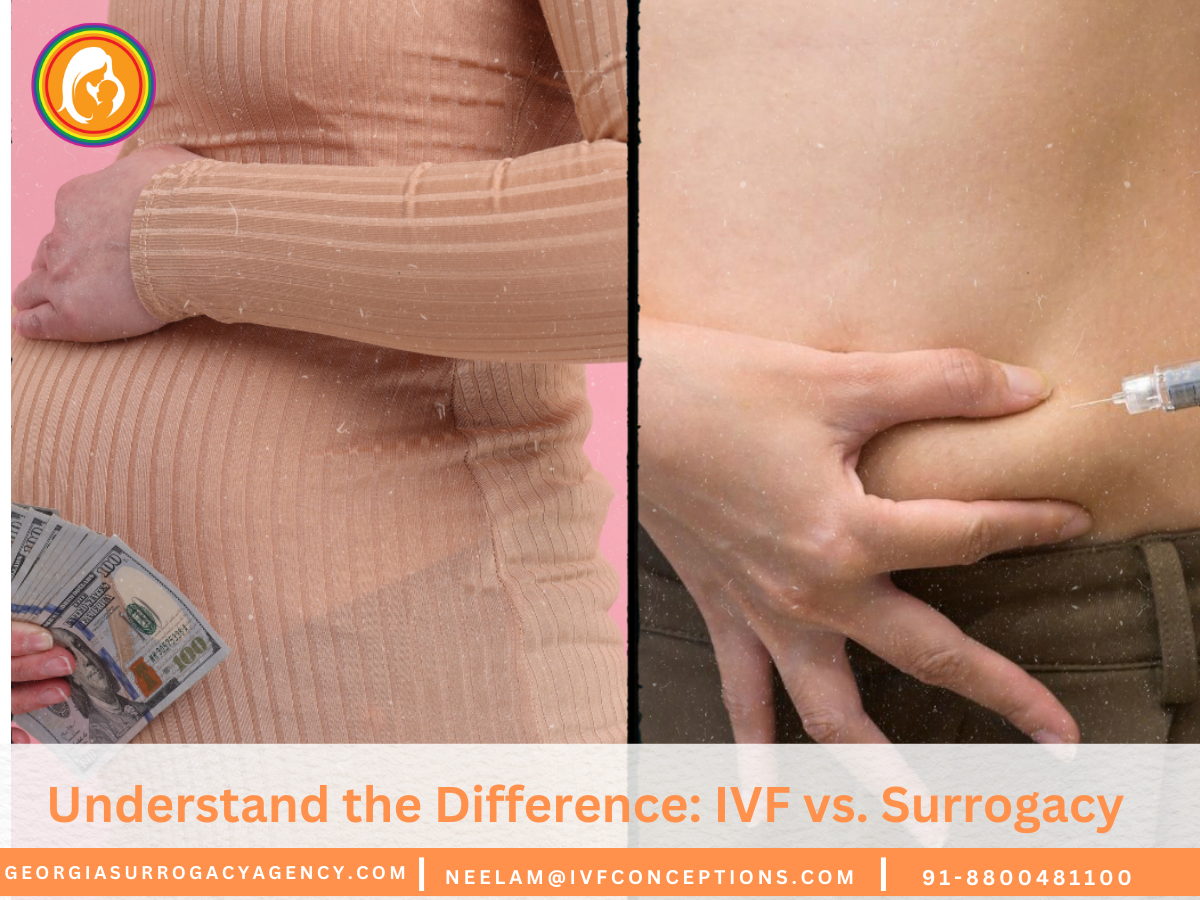
Understanding the difference: IVF vs. surrogacy helps intended parents choose the right path based on medical needs and personal circumstances. IVF (In Vitro Fertilization) is a fertility treatment where eggs and sperm are combined in a lab, and the resulting embryo is transferred into the intended mother’s uterus, making it suitable when pregnancy is medically possible.
Surrogacy, on the other hand, involves transferring an embryo into a surrogate’s uterus when the intended mother cannot safely carry a pregnancy due to medical or uterine conditions. While IVF focuses on achieving pregnancy, surrogacy provides an alternative way to carry the pregnancy—often using IVF as part of the process—when carrying a child is not an option.
Key Takeaways
- Infertility affects 1 in 8 couples in the U.S., emphasizing the need for informed choices.
- IVF and surrogacy provide distinct pathways to parenthood.
- IVF involves fertilizing eggs outside the body.
- Surrogacy requires another woman to carry the pregnancy.
- Understanding the emotional and physical implications of each option is important.
- Legal aspects vary significantly between IVF and surrogacy.
📞 Get in Touch for a Free Surrogacy Consultation
📱 +91-8800481100 (WhatsApp | LINE | Viber)
📧 neelam@ivfconceptions.com
🌐 www.georgiasurrogacyagency.com

What is IVF?
In vitro fertilization (IVF) represents a significant advancement in fertility treatment, allowing individuals and couples facing infertility to pursue their dream of having a child. Understanding IVF involves recognizing the multiple steps involved in the IVF procedure and the factors influencing IVF success rates.
The IVF Procedure Explained
The IVF procedure begins with controlled ovarian stimulation. Hormone therapy administered to the patient prompts the ovaries to produce multiple eggs. Once the eggs mature, a minor surgical procedure retrieves them from the ovaries. In the lab, these eggs are fertilized with sperm to create embryos. These embryos are meticulously monitored for quality over several days. The most viable embryos are then selected and transferred to the uterus in hopes of achieving pregnancy.
Success Rates and Considerations
IVF success rates vary significantly, influenced by several factors such as age, underlying infertility issues, and the number of IVF treatment cycles completed. Prospective parents considering this option should engage in thorough discussions with fertility specialists. Understanding IVF’s specific success rates in their unique situation helps in making informed decisions regarding the treatment path.
What is Surrogacy?
Surrogacy represents a compassionate option for individuals and couples seeking to expand their families through assisted reproduction. This method allows a third party, known as a surrogate, to carry a pregnancy for intended parents. Understanding the nuances of the surrogacy process is crucial, particularly the various types of surrogacy available and their implications.

Understanding Surrogacy Types
The two main types of surrogacy are traditional surrogacy and gestational surrogacy. In traditional surrogacy, the surrogate uses her own eggs, establishing a genetic link to the child. This arrangement may evoke complex emotional dynamics, considering the surrogate’s role as the genetic mother.
Gestational surrogacy involves the implantation of embryos created from the eggs of the intended mother or a donor. In this case, the surrogate has no genetic ties to the child, allowing for a clearer legal and emotional framework for the intended parents. Understanding these distinctions is essential for choosing the right path in the surrogacy process.
Process of Surrogacy
The surrogacy process begins with selecting a suitable surrogate, which is a critical step requiring careful consideration. Legal agreements are drafted to clarify the roles, expectations, and rights of all parties involved. Medical protocols, often including in vitro fertilization (IVF) for embryo transfer, come into play once the legal aspect is settled.
Throughout this process, both emotional and physical conditions are monitored closely. Support systems are vital, as intended parents and surrogates navigate the complexities of this journey together.
Genetic Relationships in Surrogacy
In discussing genetic relationships in surrogacy, it becomes imperative to recognize the emotional implications tied to both traditional and gestational surrogacy. Intended parents may grapple with connecting their personal lineage to a child born through these methods. Legal considerations further complicate these relationships, necessitating strong agreements to ensure clarity regarding parentage and responsibilities.

ivf and surrogacy difference
Understanding the differences between IVF and surrogacy is essential for individuals and couples exploring options for family building. These methods involve distinct processes, emotional considerations, and physical aspects that can greatly influence the decision-making process. Each path has its own set of benefits and challenges, making it crucial to examine the key variances between IVF and surrogacy.
Key Differences Between IVF and Surrogacy
IVF, or In Vitro Fertilization, is a medical procedure that involves fertilizing an egg with sperm outside the body, leading to the formation of embryos. This method allows prospective parents to attempt pregnancy directly. Surrogacy, on the other hand, involves a surrogate who carries a pregnancy for another person or couple. The primary distinctions can be summarized as follows:
| Aspect | IVF | Surrogacy |
|---|---|---|
| Biological Connection | Potential for biological connection with the child (if own eggs and sperm are used) | It can be genetic or gestational, depending on the type of surrogacy |
| Pregnancy Carrier | Intended parents or the egg donor carry the pregnancy | Surrogate carries the pregnancy |
| Timeframe | Typically quicker to achieve pregnancy | May involve legal processes, extending the timeframe |
When to Choose IVF vs. Surrogacy
The choice between IVF and surrogacy hinges on several personal factors. IVF may be ideal for women who wish to attempt pregnancy using their own eggs and have a healthy uterine environment. Surrogacy can be a better option for individuals unable to carry a pregnancy due to medical conditions or complications. Evaluating these conditions is crucial when considering IVF vs. surrogacy.
Emotional and Physical Considerations
Emotional considerations play a significant role in choosing between these reproductive methods. Prospective parents must assess their emotional readiness for the process, including potential physical risks related to health conditions. With IVF, women may face hormonal treatments that can be physically demanding. In contrast, surrogacy involves forming relationships with a surrogate and navigating legal and emotional dynamics. Both paths require strong support networks to address any psychological challenges that may arise.

Comparing Costs: IVF vs. Surrogacy
Understanding the financial elements associated with both IVF and surrogacy is essential for prospective parents. The costs related to these treatments vary significantly, affecting decision-making throughout the family-building process. A detailed analysis of aspects such as the IVF cost breakdown, the financial aspects of surrogacy, and available insurance options for fertility treatments supports informed choices.
Cost Breakdown of IVF Treatments
The financial landscape of IVF treatments can vary widely. Key components include:
- Initial consultation fees
- Medications and hormone injections
- Monitoring during the treatment cycle
- Egg retrieval and laboratory processing
- Embryo transfer
- Potential additional procedures (e.g., genetic testing)
Many factors influence the overall cost, including the number of cycles required. A comprehensive IVF cost breakdown is crucial in planning and budgeting for this path to parenthood.
Financial Aspects of Surrogacy
Surrogacy expenses often encompass multiple facets:
- Compensation for the surrogate
- Agency fees
- Medical expenses for both the surrogate and the intended parents
- Legal fees
These financial aspects of surrogacy can lead to significant investments, and intended parents need to prepare adequately. Costs can range from $90,000 to over $150,000, depending on the complexities involved.
Insurance and Financing Options
Exploring insurance options for fertility treatments remains an essential part of cost management. Some insurance policies may provide coverage for IVF treatments, while others might include specific plans for surrogacy. It is advisable to thoroughly review existing policies to uncover potential benefits.
Many families find financing options to be helpful. Financial institutions may offer loans specifically for fertility treatments, ensuring that the anticipated costs of ivf and surrogacy can be managed without overwhelming financial strain.
Success Rates of IVF and Surrogacy
Understanding the success rates of both IVF and surrogacy provides valuable insights for prospective parents. These rates can vary significantly based on numerous factors, such as the age of the individual undergoing treatment and the specific methods used in the procedures. Familiarity with these success rates aids in evaluating IVF and surrogacy outcomes and setting realistic expectations for the fertility journey.
Understanding the IVF Success Rate
IVF success rates are notably influenced by the age of the woman. Generally, women under 35 experience the highest ivf success rates. As age increases, the likelihood of successful implantation and pregnancy tends to decline. Typically, many women might require several cycles of IVF to achieve their desired outcome, leading to a range of statistics based on individual circumstances.
Evaluating Surrogacy Success Rates
Surrogacy success rates exhibit different dynamics, often showcasing higher averages compared to IVF, particularly when healthy embryos from younger donors are utilized. Many surrogacy arrangements leverage the advantages of gestational surrogacy, which uses an embryo created from the intended parents’ sperm and egg, or donor gametes, leading to favorable success contexts.
| Age Group | IVF Success Rates (%) | Surrogacy Success Rates (%) |
|---|---|---|
| Under 35 | 40-50 | 50-60 |
| 35-37 | 30-40 | 40-50 |
| 38-40 | 20-30 | 35-45 |
| Over 40 | 10-20 | 25-35 |
In summary, understanding IVF and surrogacy success provides a roadmap for making informed decisions in the reproductive journey. The differences in success rates underscore the importance of tailoring choices to individual needs and circumstances.
Legal Considerations in IVF and Surrogacy
Understanding the legalities associated with IVF and surrogacy is crucial for intended parents and surrogates alike. Through proper guidance, individuals can navigate the legal considerations that arise during these fertility journeys. While IVF often involves less complex legal frameworks, surrogacy presents a distinct set of challenges, necessitating comprehensive agreements to ensure the rights of all parties are preserved.
Legalities of IVF Treatments
The legal considerations ivf typically revolve around contracts between the patient and the fertility clinic. These agreements outline the responsibilities surrounding the treatment, financial obligations, and storage of embryos. It is essential for patients to carefully review these contracts to ensure transparency and understanding of their rights throughout the process.
Surrogacy Agreements and Legal Parentage
When it comes to surrogacy, establishing legal parentage is a fundamental aspect of the process. Surrogacy legal agreements serve to clarify the rights and obligations of the surrogate and the intended parents. These contracts cover key elements, including compensation, medical responsibilities, and the parental rights of the intended parents. Engaging a legal professional specialized in reproductive law can help ensure that the legalities of fertility treatments are thoroughly addressed, minimizing the risk of disputes later on.
| Aspect | IVF | Surrogacy |
|---|---|---|
| Legal Complexity | Less complex contracts | Comprehensive legal agreements |
| Establishing Parentage | Involves clinic agreements | Requires specific legal documentation |
| Rights of Parties | Basic patient rights | Defined and protected in contracts |
| Legal Professionals Needed | Optional | Highly recommended |
Additional Resources to read:
What is the Average Cost of IVF Surrogacy
IVF Clinics vs Surrogacy Clinics
Difference Between IVF and Surrogacy
Conclusion
In summary of IVF and surrogacy differences, it becomes evident that each option offers distinct paths for prospective parents. While IVF primarily involves the medical management of conception, surrogacy encompasses a broader scope that includes the gestational aspect of pregnancy. These choices are not merely medical; they touch on profound emotional and ethical considerations that require thorough reflection.
As you navigate through these options, understanding the detailed nuances is paramount. Concluding thoughts on IVF vs. surrogacy highlight the need for careful deliberation around financial, physical, and legal factors involved in each path. The complexity of these journeys necessitates informed decision-making, ideally supported by consultations with medical experts and legal advisors.
By weighing these elements thoughtfully, couples can empower themselves to make decisions that resonate with their values and aspirations for family building. The journey to parenthood, whether through IVF or surrogacy, can ultimately be a fulfilling experience when approached with clarity and understanding.
💫 Why Intended Parents Choose Complete Surrogacy for a Safe, Smooth & Successful Surrogacy Journey:
🌍 Access to multiple surrogacy destinations with 15+ years of international experience
🏥 Partnerships with top-tier fertility clinics and agencies, backed by references from past clients
👩🦱 Diverse egg donor options: Asian, Caucasian, African, Oriental, and more
💸 Transparent and affordable pricing—direct payments with no extra agency fees
🔒 No hidden costs—all charges are agreed upon upfront
🤝 Dedicated case manager for personalized support
📲 Fast, honest, and clear communication throughout
📑 Full legal support for visas, documentation, and baby exit processes
🚚 Assistance with frozen sperm/embryo shipment logistics

FAQ: IVF vs. Surrogacy
What is the main difference between IVF and surrogacy?
The primary distinction lies in the processes involved. IVF (In Vitro Fertilization) is a fertility treatment where fertilization occurs outside the body, leading to embryo transfer into the intended mother’s uterus. Surrogacy, on the other hand, involves a third-party surrogate who carries the pregnancy, which can either be traditional (using the surrogate’s eggs) or gestational (using the intended parents’ or donor eggs).
What are the success rates for IVF compared to surrogacy?
IVF success rates vary significantly depending on factors such as the woman’s age and fertility issues, with peak success observed in women under 35. In contrast, gestational surrogacy tends to have higher success rates, especially when healthy embryos from younger donors are used. Understanding these statistics is crucial for managing expectations during the fertility journey.
What are the financial implications of IVF and surrogacy?
IVF costs can vary widely based on the number of cycles and additional procedures required, while surrogacy involves higher overall expenses, including surrogate compensation, agency fees, and medical costs. It’s crucial to explore insurance coverage and financing options available for both avenues to support prospective parents financially.
How do legal considerations differ between IVF and surrogacy?
IVF typically has fewer legal complexities, mainly involving contracts between clients and fertility clinics. In contrast, surrogacy requires comprehensive legal agreements to establish the rights of all parties involved and to clarify parentage, ensuring intended parents’ rights over the child are secured.
What emotional considerations should be taken into account when choosing between IVF and surrogacy?
Emotional readiness is a significant factor in choosing between IVF and surrogacy. Prospective parents must assess their own and their surrogate’s capabilities, health risks, and emotional dynamics as each journey can evoke different feelings and stress levels throughout the process.
Can both IVF and surrogacy be considered as part of a fertility treatment plan?
Yes, both IVF and surrogacy can complement each other in a fertility treatment plan. For instance, if IVF fails, intended parents might explore surrogacy as an alternative to achieve their parenting goals.

Highly esteemed, authoritative, and trusted professional with a 14-year of experience in international surrogacy. Advocate for Secure, Legal, and Affordable International Surrogacy.
Neelam Chhagani, MA (Counselling Psychology) and Holistic Infertility and Third-Party Reproduction Consultant.
Member of European Fertility Society, Best Surrogacy Blogger of 2020, with 300 dedicated blogs, and top contributor on Quora for Surrogacy.
Add Your Comment