

The combination of legal parental rights, cost-effective treatment, and professional medical care makes international surrogacy in Georgia a practical choice compared to higher-cost destinations, especially for those looking for a reliable and fully managed surrogacy journey.
Our comprehensive guide walks you through every stage of surrogacy for foreigners in Georgia. From initial legal questions to final embassy procedures, we provide the information you need. Expert support makes this complex process manageable and less stressful.
Start Your Surrogacy Journey with Expert Guidance
Connect with our experienced team for personalized consultation about surrogacy in Georgia. We provide comprehensive support throughout your entire journey.
Email us your questions: neelam@ivfconceptions.com
Can Foreigners Do Surrogacy in Georgia Country in Europe?

Yes, foreign couple can do surrogcy in Georgia with legal framework. Matter of fact, Republik of Georiga offers one of the most welcoming legal frameworks for international surrogacy in Europe. The country explicitly permits surrogacy arrangements for foreign intended parents through well-established legislation. This legal clarity provides peace of mind for families beginning their journey.
Heterosexual married couples can pursue surrogacy programs in Georgia without residency requirements. The law recognizes intended parents as legal parents from birth. This streamlined approach eliminates many complications found in other countries.
Single parents and same-sex couples face restrictions under current Georgian law. The regulations specifically support traditional married couples seeking to build their family. Understanding these requirements helps you determine eligibility early in your planning process.
Explore our complete guide to international surrogacy in Georgia to learn.
Documentation Requirements for Foreign Couples
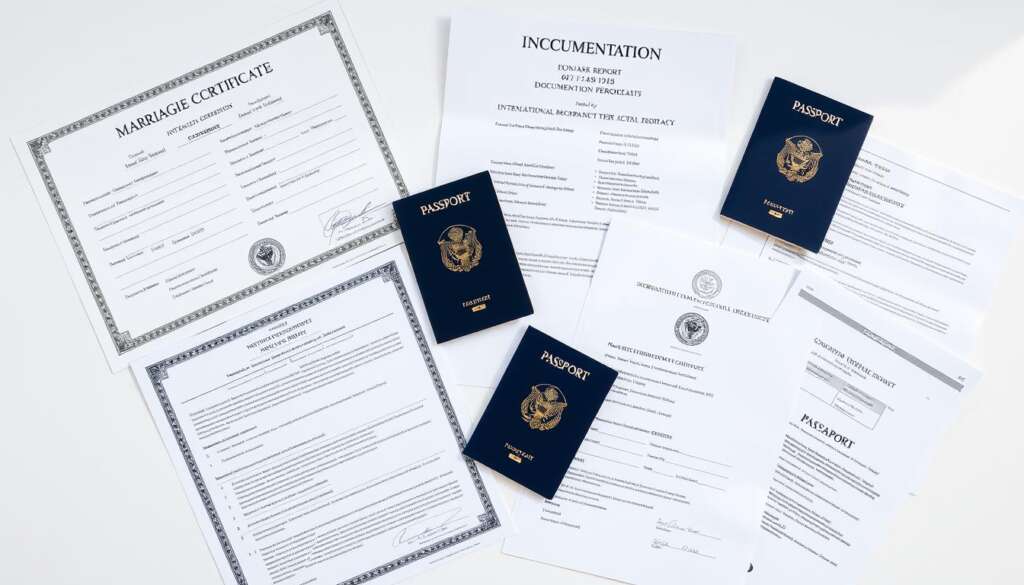
A marriage certificate stands as the primary document proving your relationship status. You must provide an official translation into Georgian for legal processing. Notarization ensures authenticity and acceptance by Georgian authorities.
Valid passports for both intended parents must remain current throughout your journey. Many families obtain passport copies and keep them readily available. Your passport serves as identification for all official procedures.
Medical reports demonstrating the need for surrogacy support your application. Fertility specialists provide documentation about medical necessity. These reports strengthen your case and facilitate program acceptance.
Rights and Protections Under Georgian Law
Intended parents receive immediate parental rights upon birth in Georgia. Birth certificates list you as legal parents without adoption procedures. This direct recognition simplifies citizenship applications for your baby.
The surrogate mother in Georgia signs a legal waiver of parental rights before embryo transfer. This pre-emptive agreement protects your family throughout pregnancy. Georgian courts consistently uphold these arrangements.
Financial agreements between parties receive legal protection and enforcement. Clear contracts prevent misunderstandings and ensure fair treatment. Legal support teams guide you through every contractual step.
Important: Georgian law requires that intended parents be married heterosexual couples. Ensure you meet all legal criteria before beginning your surrogacy program. Legal eligibility determines your success in this process.
Questions About Legal Eligibility?
Our legal experts help you understand your eligibility and documentation requirements. Get clear answers about your specific situation today.
Prefer email? Reach us at neelam@ivfconceptions.com
Best Countries Whose Intended Parents for Surrogacy in Georgia

Georgian surrogacy programs welcome intended parents from numerous countries worldwide. The accessibility and legal clarity attract families seeking reliable surrogacy options. Different nationalities experience varying citizenship processes for their babies.
American, British, Australian, and European couples represent the largest groups of intended parents. Each country maintains specific embassy procedures and citizenship pathways. Understanding your home country’s requirements helps you plan the timeline and documentation.
Surrogacy in Georgia for USA Citizens
American intended parents find that Georgia offers straightforward surrogacy with strong legal support. The United States recognizes Georgian surrogacy arrangements when properly documented. US citizenship for your baby follows established consular procedures.
The US Embassy in Tbilisi handles numerous surrogacy cases annually with experienced staff. Consular Reports of Birth Abroad provide immediate US citizenship for eligible babies. This document serves as proof of citizenship until you obtain a passport.
DNA testing requirements verify biological relationship for US citizenship applications. The embassy arranges testing appointments in Tbilisi at approved facilities. Results typically arrive within one to two weeks.
American parents typically spend two to three weeks in Georgia after birth. This timeline includes medical examinations, embassy appointments, and document processing. Some families choose to stay longer to bond with their baby.
Surrogacy in Georgia for UK Citizens
British couples navigate a slightly different process when pursuing surrogacy in Georgia. The UK requires parental order applications after returning home. This additional step establishes full legal parentage under British law.
Your baby receives temporary travel documents from the British Embassy in Tbilisi. Emergency travel documents allow you to bring your baby home to the UK. Once home, you apply for the parental order through the family court.
The parental order process takes several months, but it protects your rights as parents. UK law recognizes surrogacy arrangements made abroad when properly documented. Legal advisors guide you through both Georgian and UK requirements.
Surrogacy in Georgia for Australian Citizens
Australian intended parents find that Georgia provides ethical and affordable surrogacy options. Australia recognizes foreign surrogacy arrangements with proper documentation. State-specific requirements influence your citizenship application process.
Different Australian states maintain varying approaches to surrogacy recognition. Some states streamline parentage orders while others require more extensive procedures. Understanding your state’s requirements before beginning saves time later.
The Australian Embassy facilitates citizenship applications for babies born through surrogacy. Documentation proving genetic relationship and legal surrogacy arrangements supports applications. Processing times vary but typically complete within three to four weeks.
Surrogacy in Georgia for European Union Citizens
European intended parents from various EU countries pursue surrogacy in Georgia successfully. Each EU member state maintains individual policies regarding surrogacy recognition. Research your specific country’s stance before beginning your journey.
Some European countries readily recognize foreign surrogacy arrangements, while others present challenges. Germany, France, and Italy maintain restrictive approaches requiring careful planning. Countries like Portugal and Belgium offer more straightforward recognition processes.
Embassy procedures vary significantly between different EU nations. Your embassy guides citizenship and travel document requirements. Early contact with consular services clarifies your specific pathway.
European families often appreciate Georgia’s geographical proximity and cultural richness. Shorter flights make multiple visits more manageable during the surrogacy process. The country offers a comfortable environment for extended stays after birth.
Why International Parents Choose Georgia
- Clear legal framework protecting parental rights
- Significantly lower costs compared to Western countries
- High-quality medical facilities and experienced specialists
- No residency requirements for foreign couples
- Established embassy procedures for citizenship
- Safe, welcoming environment for international families

Get Comprehensive Support Throughout Your Stay
From arrival to departure, we provide complete assistance with visa, accommodation, and logistics. Our team ensures your stay in Georgia remains stress-free and comfortable.
Baby Citizenship Process by Country When Doing Surrogacy Legally in Georgia

Securing citizenship for your baby represents one of the most important steps after birth. Each country maintains specific requirements and procedures. Understanding your path to citizenship helps you prepare proper documentation and a timeline.
The citizenship process begins immediately after birth with medical certificates. Your embassy then processes citizenship applications based on national laws. Most countries recognize citizenship through biological parents regardless of birth location.
Different nationalities experience varying timelines from birth to receiving travel documents. Some embassies complete processing within weeks, while others require longer periods. Early preparation and proper documentation expedite every country’s process.
US Citizenship Process for Babies Born in Georgia
American parents benefit from straightforward citizenship acquisition for surrogacy babies. The principle of jus sanguinis grants citizenship through the American parent’s blood relationship. Your baby becomes a US citizen at birth when you meet the requirements.
The Consular Report of Birth Abroad establishes citizenship officially. This document proves your child’s US citizenship and serves multiple purposes. You apply at the US Embassy in Tbilisi after receiving Georgian birth documents.
DNA testing confirms the biological relationship as required by consular procedures. The embassy maintains a list of approved testing facilities in Tbilisi. Results typically arrive within one to two weeks of testing.

A passport application occurs simultaneously with citizenship documentation. The embassy issues a US passport allowing travel home. Processing typically completes within two to three weeks of application submission.
UK Citizenship for Surrogacy Babies
British citizenship for babies born through surrogacy requires careful attention to legal steps. The UK recognizes citizenship through British parent genetic connection. However, full legal parentage requires a parental order after returning home.
Your baby receives British citizenship at birth through biological connection. The British Embassy issues emergency travel documents for journey home. These temporary documents allow entry to the UK legally.
Upon returning to the UK, you apply for a parental order through family court. This order establishes full legal parentage under British law. The process takes several months but provides complete legal recognition.
After receiving your parental order, apply for a full British passport. The parental order allows you to register birth with UK authorities. Your child then receives all citizenship rights and documents.
Australian Citizenship Procedures
Australian citizenship follows descent principles for babies born abroad. At least one parent must be an Australian citizen. Genetic connection to the Australian parent requires verification through documentation.
The Australian Embassy facilitates citizenship by descent applications in Tbilisi. Required documents include birth certificates, DNA evidence, and parental proof. Processing times vary but typically complete within three to four weeks.
Some Australian states require family court recognition of surrogacy arrangements. Understanding your state’s specific requirements before beginning helps. Each state maintains slightly different approaches to parentage recognition.
Emergency passport issuance allows your baby to travel home to Australia. Once home, you complete any additional state-level parentage procedures. Full citizenship rights vest through the citizenship by descent process.
European Union Country Citizenship Variations
EU member states maintain individual citizenship laws despite union membership. Each country determines citizenship acquisition independently. Research your specific country’s approach to surrogacy-born children carefully.
Countries recognizing jus sanguinis principles grant citizenship through parent lineage. Documentation proving biological relationship supports citizenship applications. Your embassy provides guidance on required evidence and forms.
Some European countries require domestic court procedures recognizing surrogacy. France and Germany present more complex pathways requiring legal assistance. Countries like Portugal offer more straightforward recognition processes.
Embassy procedures vary significantly between different EU nations. Early contact with your embassy clarifies specific requirements and timelines. Some embassies handle numerous surrogacy cases while others have limited experience.
Documentation Requirements Across All Countries
All citizenship applications require your baby’s Georgian birth certificate. This official document proves birth details and parental information. Obtain certified copies for multiple uses during the process.
DNA testing results confirming biological relationship appear in most applications. Embassy-approved facilities conduct testing to required standards. Keep original results and certified copies for embassy submission.
Your marriage certificate proves relationship between intended parents. Official translations into English or Georgian language support applications. Notarized copies prevent damage to original documents.
Surrogacy contracts and medical records document the arrangement’s nature. These materials support citizenship applications and address potential questions. Comprehensive documentation prevents delays in processing.
“Understanding citizenship procedures before beginning your surrogacy journey helps you prepare properly. Each country’s requirements influence timeline and documentation needs. Early preparation ensures smooth processing after your baby’s birth.”
Navigate Citizenship Procedures with Expert Guidance
Citizenship processes vary significantly by country. Our experienced team guides you through your specific country’s requirements, ensuring proper documentation and smooth processing.
Established Infrastructure for International Parents
Years of international surrogacy practice created robust support infrastructure. Hotels, services, and facilities cater specifically to medical tourists. This specialization ensures your needs receive proper attention.
Embassy staffs have extensive experience with surrogacy cases. Consular officers understand procedures and requirements thoroughly. Their experience expedites citizenship processing compared to less familiar locations.
Support networks connect you with other families pursuing similar journeys. Shared experiences provide emotional support and practical advice. Many intended parents form lasting friendships through this connection.
Frequently Asked Questions About Surrogacy in Georgia

How long does the entire surrogacy process take in Georgia?
The complete surrogacy journey typically takes twelve to eighteen months from initial consultation to bringing baby home. This timeline includes medical preparation, surrogate matching, IVF procedures, pregnancy, and post-birth documentation. Individual circumstances may shorten or extend this timeframe.
IVF and embryo transfer usually occur within three to four months of beginning. Pregnancy lasts approximately nine months. Post-birth documentation and citizenship processing add three to six weeks. Building flexibility into your timeline accommodates unexpected delays.
What is the total cost of surrogacy in Georgia for foreign couples?
Total surrogacy costs in Georgia typically range from forty thousand to seventy thousand USD depending on program selection and individual needs. This comprehensive cost includes medical procedures, legal services, surrogate compensation, and coordination support throughout the journey.
Additional expenses include travel, accommodation, and living costs during your stays in Georgia. Multiple trips and extended final stay add five to ten thousand USD typically. Egg donation programs or additional IVF cycles increase medical costs. Transparent pricing prevents unexpected expenses.
Can single parents or same-sex couples pursue surrogacy in Georgia?
Current Georgian law restricts surrogacy to heterosexual married couples. Single parents and same-sex couples cannot legally pursue surrogacy arrangements in Georgia under existing regulations. The law requires valid marriage certificate showing traditional marriage.
If you’re single or in same-sex relationship, other countries offer surrogacy options. The United States, Canada, and some other nations permit surrogacy for diverse family structures. Consulting with international surrogacy experts identifies appropriate destinations for your situation.
How are surrogate mothers selected and screened in Georgia?
Surrogate candidates undergo comprehensive screening including medical examinations, psychological evaluation, and background checks. Health assessments verify reproductive health, absence of diseases, and physical fitness for pregnancy. Only candidates meeting strict criteria proceed to matching consideration.
Psychological screening ensures emotional readiness and understanding of surrogacy commitment. Background checks verify stability and reliability. Candidates must have had at least one successful pregnancy previously. This thorough screening protects intended parents and ensures positive outcomes.
What happens if pregnancy complications or medical issues arise?
Comprehensive medical care addresses any pregnancy complications immediately. Georgia’s fertility clinics maintain high-risk pregnancy protocols and access to specialist care. Insurance coverage typically included in programs covers medical complications.
Legal contracts specify procedures for various medical scenarios. Financial responsibilities for complications receive clear definition. Support teams coordinate medical care and keep intended parents informed throughout any difficulties. Quality prenatal care minimizes complication risks significantly.
How is the baby’s citizenship determined with international surrogacy?
Baby citizenship depends on parents’ nationality and home country laws. Most countries grant citizenship through biological parent descent regardless of birth location. Your baby acquires citizenship from you rather than from Georgia.
Embassy procedures establish citizenship officially through documentation. DNA testing verifies biological relationship. Consular Reports of Birth Abroad or similar documents prove citizenship. Each country maintains specific requirements which your support team helps navigate.
Can we meet and choose our surrogate mother?
Meeting your surrogate depends on program policies and mutual preferences. Some programs facilitate meetings while others maintain anonymous arrangements. Many intended parents appreciate meeting their surrogate before beginning the journey.
If meeting occurs, it typically happens during your initial visit to Georgia. Video calls allow earlier connection if desired. The nature and extent of relationship throughout pregnancy follows agreed parameters. Flexibility accommodates different comfort levels and preferences.
What legal rights do intended parents have in Georgia?
Georgian law grants full parental rights to intended parents from birth. Birth certificates list you as legal parents without adoption requirements. Surrogate mothers have no legal claim to babies under Georgian surrogacy law.
Legal contracts receive full enforcement through Georgian courts. These agreements protect your rights throughout the process. Clear legal framework eliminates ambiguity found in many other countries. This certainty provides peace of mind throughout your journey.
Surrogacy Process in Georgia Country
International Surrogacy in Georgia (Country)
How Much Do Surrogates in Georgia Country Get Paid?
Conclusion
Overall, surrogacy for foreigners in Georgia country provides a balanced solution with legal clarity, medical expertise, and structured support throughout the journey. From program enrollment and surrogate matching to pregnancy monitoring and the baby citizenship and exit process in Georgia, the entire pathway is designed to support international families.
For eligible intended parents, choosing an experienced Georgia surrogacy agency for international parents and working with licensed clinics can ensure a smooth, compliant, and successful surrogacy journey in Georgia from start to parenthood.
Take the First Step Toward Your Family Dreams
Don’t wait to begin your journey to parenthood. Contact our experienced team today for free consultation about surrogacy in Georgia. We answer your questions, address your concerns, and provide personalized guidance based on your unique situation. Your baby is waiting, and we’re here to help make your dream a reality.
Available 24/7 to support your journey every step of the way.