

The main difference between surrogacy in Mexico vs surrogacy in Georgia lies in eligibility and legal structure. In Mexico, all family types—including single parents, same-sex couples, and heterosexual couples—can pursue surrogacy, making it a more inclusive destination. In contrast, Georgia only allows surrogacy for married heterosexual couples, but it offers a more affordable and legally secure process. Overall, Georgia is the best choice for intended parents who are married heterosexual couples, while Mexico may be a better fit for singles or LGBTQ+ couples seeking parenthood through surrogacy.
Over 80% of intended parents exploring cross-border arrangements prioritize countries with clear legal protections—a key reason destinations like Georgia and Mexico have seen a 300% rise in inquiries since 2020. For those considering family-building options abroad, understanding how these locations differ could shape one of life’s most consequential decisions.
Choosing the right country for your surrogacy journey is crucial. While both Georgia and Mexico are popular among international intended parents, they differ significantly in legal framework, cost, eligibility, and process safety.
The main difference is:
Georgia offers a legally secure, well-regulated surrogacy program only for heterosexual married couples, while Mexico provides more inclusive access (including for single and same-sex parents), but legal protection may vary depending on the state.
Comparison Table: Georgia vs Mexico Surrogacy Overview
| Factor | Georgia | Mexico |
|---|---|---|
| Legality | Legal, well-regulated since 1997 | Legal in select states (e.g., Tabasco, Sinaloa) |
| Eligibility | Only for married heterosexual couples | Inclusive: singles, same-sex, heterosexual |
| Court Process | Court order grants legal parenthood | Birth certificate issued with the intended parents |
| Parental Rights | Very secure, IPs listed directly on birth cert. | Varies by state; requires due diligence |
| Citizenship for Baby | Based on the parents’ nationality | Based on local laws, mostly Mexican citizenship |
| Cost (Approx.) | $50,000–$75,000 USD | $60,000–$90,000 USD |
| Program Type | Altruistic/compensated, legally defined | Compensated, varies by agency/state |
| Travel Requirement | 2-3 short visits | Longer stay often needed (especially post-birth) |
| Surrogacy Agencies | Licensed, regulated | Many available, some may be unregulated |
| Exit Process for Baby | Smooth for most countries | May involve legal steps & embassy support |
Key Takeaways
- Legal frameworks differ: Georgia requires genetic connections, and Mexico focuses on ethical oversight
- Cost structures vary, with Mexico often offering more budget-friendly options
- Medical standards align with global practices in both destinations
- Intended parents should match their priorities to each country’s strengths
- Both locations provide alternatives to restrictive domestic policies
Overview of International Surrogacy Options
International surrogacy has become a lifeline for many couples facing domestic restrictions. As laws and medical standards evolve globally, understanding your choices helps navigate this complex journey confidently.
Understanding Surrogacy Types and Options
Two primary approaches exist: gestational and traditional surrogacy. In gestational arrangements, the surrogate carries an embryo created using the intended parents’ or donors’ genetic material. Traditional methods involve the surrogate’s own egg, creating a genetic link to the child.
Key differences include:
- Legal complexity (Traditionally often faces more challenges)
- Genetic connections (gestational avoidance of biological ties to surrogates)
- Success rates (gestational age typically has higher IVF success)
📞 Get in Touch for a Free Surrogacy Consultation
📱 +91-8800481100 (WhatsApp | LINE | Viber)
📧 neelam@ivfconceptions.com
🌐 www.georgiasurrogacyagency.com
Surrogacy in Georgia vs Surrogacy in Mexico: A Comparative Analysis
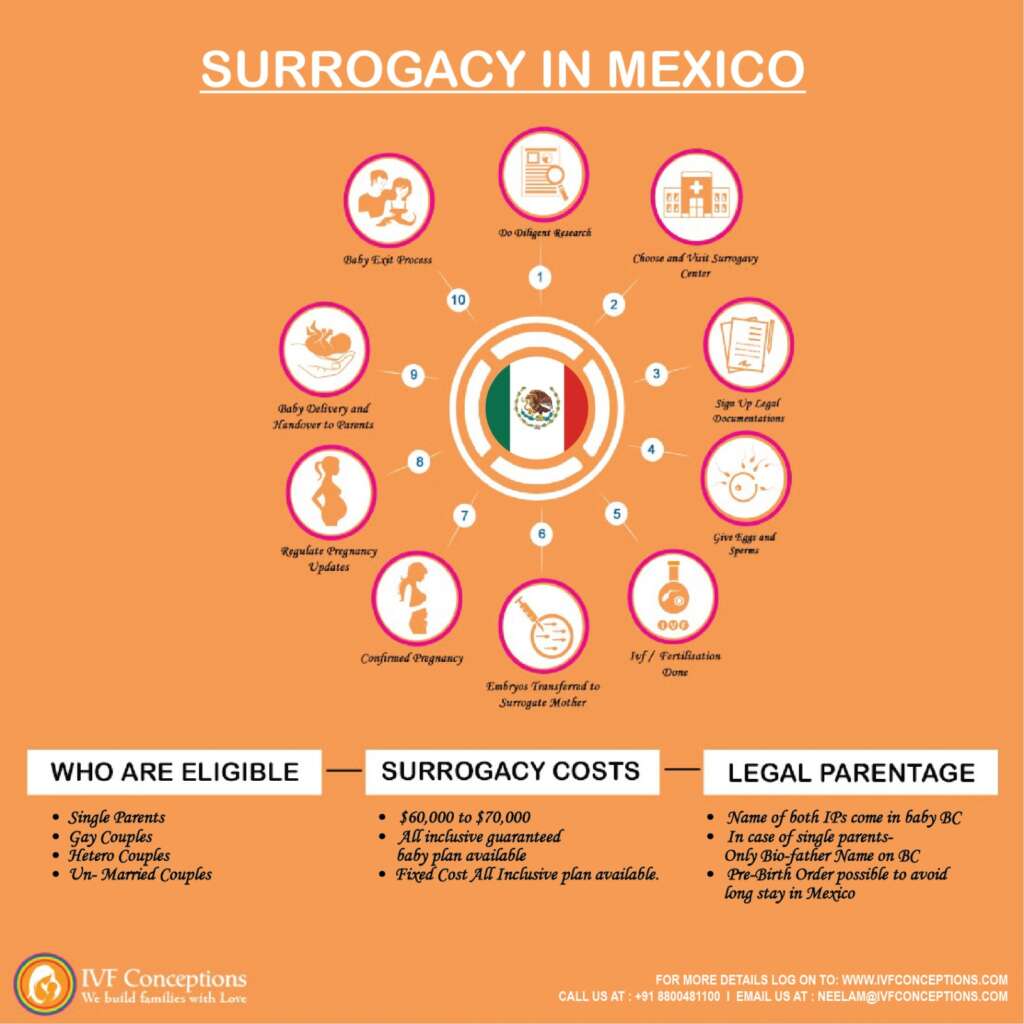
Choosing between international destinations demands understanding how eligibility rules and financial structures shape outcomes. Two critical factors emerge: legal recognition timelines and compensation approaches for surrogates.
Legal Aspects: Strong Regulation vs Regional Variation
- Georgia has had national surrogacy laws in place since 1997. The law protects intended parents by allowing the surrogate to have no parental rights, and a court order ensures parentage.
- Mexico’s legality depends on the state. Surrogacy is legal in states like Tabasco and Sinaloa, but there is no federal law, which can make processes more complex or less predictable.
Who Can Do Surrogacy: Eligibility Rules
- Georgia restricts surrogacy to married heterosexual couples with medical infertility.
- Mexico is more inclusive, allowing single individuals and LGBTQ+ couples to pursue surrogacy, making it a top choice for same-sex couples or solo parents.
Eligibility and Parental Rights Comparison
Georgia restricts participation to married heterosexual couples with proven infertility. Parental rights activate automatically at birth—no court approval needed. Mexico’s inclusive policies welcome single individuals and LGBTQ+ parents, though legal processes take 4–8 weeks post-delivery.
Cost Comparison: Georgia vs Mexico
| Country | Estimated Surrogacy Cost (USD) | Inclusions |
|---|---|---|
| Georgia | $50,000 – $75,000 | IVF, surrogate care, legal, birth, exit support |
| Mexico | $60,000 – $90,000 | IVF, surrogate compensation, legal support, and hospital delivery |
Note: Costs vary based on agency, surrogate compensation, and extra services (like gender selection or guaranteed programs).
Parental Rights & Birth Certificate
- In Georgia, intended parents are recognized from day one; the baby’s birth certificate lists both parents without the surrogate.
- In Mexico, the process may vary. Some states allow direct listing of intended parents, while others may require additional legal work.
Travel and Stay Duration
- Georgia: Usually, 2–3 trips are enough. Stay durations are short, and the exit is smooth.
- Mexico: Intended parents may need to stay for 4–6 weeks post-birth, depending on paperwork and embassy timelines.
Which is Safer and More Predictable?
| Category | Better Option |
|---|---|
| Legal Security | Georgia |
| LGBTQ+ Inclusion | Mexico |
| Exit Process | Georgia |
| Overall Cost | Georgia (slightly lower) |
| Agency Regulation | Georgia |
Cost Factors and Financial Considerations
Financial planning forms the backbone of international surrogacy journeys. While affordability drives many decisions, hidden expenses and regulatory nuances can reshape budgets. Understanding cost structures helps intended parents avoid surprises and allocate resources effectively.
Breaking Down Clinic Fees
Georgian clinics like SILK Medical often provide itemized estimates. A typical package ($55,000–$70,000) covers:
- IVF procedures and embryo transfer
- Surrogate compensation ($25,000–$30,000)
- Basic legal documentation

Budgeting for Regional Variations
Mexican programs average $40,000–$60,000 but require separate allocations for:
- Post-birth court processes ($3,500–$8,000)
- Accommodation during medical screenings
- Bilingual coordination fees
“We budgeted $65k initially but spent $78k after unexpected translation services and legal revisions,” shared one parent from Texas.
| Expense Category | Georgia | Mexico |
|---|---|---|
| Medical Procedures | $32,000–$45,000 | $28,000–$38,000 |
| Legal Fees | Included | $4,500–$12,000 |
| Agency Commissions | 8–12% | 10–15% |
Travel costs add $3,000–$7,000, depending on stay duration. Always request all-inclusive quotes and confirm what “guaranteed programs” exclude. Financial advisors recommend reserving 15% of your total budget for unforeseen expenses.
Medical Standards and Clinic Expertise
Quality healthcare infrastructure often determines where intended parents pursue family-building journeys. Both destinations prioritize advanced reproductive care, but their approaches reflect distinct strengths in technology and patient support.
High-Quality Medical Care and IVF Standards
Georgian clinics like SILK Medical utilize time-lapse embryo imaging and preimplantation genetic testing. Their IVF success rates average 68% for women under 35—15% higher than global benchmarks. Rigorous egg and sperm screening protocols ensure optimal genetic material selection.
Clinic Expertise and Facility Comparisons
Mexican centers emphasize personalized care through smaller patient loads. While lacking Georgia’s cutting-edge incubators, they excel in holistic support like nutritional counseling and stress management. One parent noted: “Our Cancún clinic’s 24/7 bilingual staff made complex medical terms understandable.”
| Factor | Georgia | Mexico |
|---|---|---|
| IVF Live Birth Rate | 65-72% | 58-64% |
| Donor Program Availability | Extensive | Moderate |
| Accreditation | ISO & JCI | COFEPRIS |
Both regions maintain strict medical standards for prenatal care, with monthly ultrasounds and genetic screenings. Georgia’s established surrogacy programs streamline donor matching through centralized databases, while Mexican clinics often partner with U.S.-based egg banks.
The Role of Agencies and Professional Support

Navigating cross-border family-building journeys demands expert guidance. Specialized agencies bridge gaps between legal systems, medical protocols, and cultural expectations, transforming complex processes into manageable steps.
Finding Trusted Partners in Your Journey
Reputable agencies like Georgia Surrogacy Agency use rigorous screening to match intended parents with qualified surrogates. Their three-step process includes:
- Medical history reviews and psychological evaluations
- Compatibility assessments based on shared values
- Continuous monitoring through pregnancy milestones
One parent shared: “Our coordinator handled visa paperwork we didn’t even know existed—saving us six weeks of delays.”
Legal and Logistical Coordination Essentials
Professional support teams prevent costly missteps. Consultation services typically cover:
- Contract reviews by reproductive law specialists
- Medical appointment scheduling across time zones
- Crisis management protocols for unexpected scenarios
Verify credentials through:
- State bar associations for legal advisors
- ART (Assisted Reproductive Technology) certifications
- Third-party platforms like FertilityIQ for client reviews
Well-structured arrangements reduce stress by clarifying roles early. Agencies with 24/7 communication channels report 40% fewer procedural delays compared to self-managed cases.
Additional Resources to Read:
How to Find the Best Surrogacy Agencies in Mexico in 2025
How much does surrogacy cost in Mexico?
International Surrogacy in Mexico
Finding a Surrogate Mother in Mexico
Conclusion
With our long-standing expertise and experience in the international surrogacy domain, we can recommend. Both surrogacy in Georgia and surrogacy in Mexico, however, which is the best option for you will depend on your personal situation. Each surrogacy journey is individual and need personal assistance and care to plan ahead so that your legal and financial goals are assigned with the right surrogacy country and a perfect surrogacy agency. Get in touch with us to have a free surrogacy consultation to assist you further.
Choosing between two leading destinations hinges on aligning priorities with each country’s distinct strengths. While one offers swift legal recognition for traditional couples, the other provides inclusive arrangements for diverse parents. These differences in laws, cost structures, and medical standards shape every step of the journey.
Final Thoughts: Which Should You Choose?
- Choose Georgia if:
- You are a married heterosexual couple.
- You want a stable, proven legal process.
- You prefer a faster exit and a regulated environment.
- Choose Mexico if:
- You’re a single parent or a same-sex couple.
- You want geographic proximity (esp. for North Americans).
- You’re ready to work with an agency experienced in your chosen state.
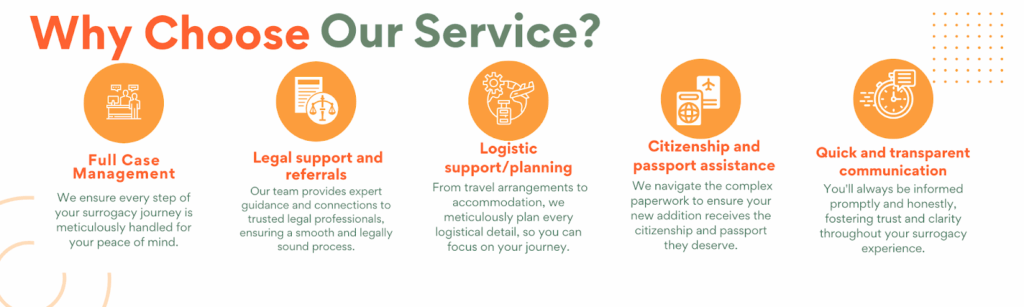
💫 Why Intended Parents Choose Complete Surrogacy for a Safe, Smooth & Successful Surrogacy Journey:
🌍 Access to multiple surrogacy destinations with 15+ years of international experience
🏥 Partnerships with top-tier fertility clinics and agencies, backed by references from past clients
👩🦱 Diverse egg donor options: Asian, Caucasian, African, Oriental, and more
💸 Transparent and affordable pricing—direct payments with no extra agency fees
🔒 No hidden costs—all charges are agreed upon upfront
🤝 Dedicated case manager for personalized support
📲 Fast, honest, and clear communication throughout
📑 Full legal support for visas, documentation, and baby exit processes
🚚 Assistance with frozen sperm/embryo shipment logistics
FAQs for surrogacy in Georgia vs surrogacy in Mexico
Which country offers clearer legal protections for intended parents?
Georgia provides a well-defined legal framework where intended parents are recognized as legal guardians immediately after birth, even for international couples. Mexico’s laws vary by state, with some regions requiring post-birth adoption processes, creating potential complexities.
How do costs compare between these two destinations?
Programs in Georgia typically range from $65,000 to $90,000, while Mexico average $75,000 to $110,000. Both include medical fees, agency coordination, and surrogate compensation, but Mexico’s pricing often reflects higher legal oversight in states like Tabasco or Querétaro.
Are LGBTQ+ couples eligible for surrogacy in both countries?
Georgia restricts surrogacy to heterosexual married couples, while Mexico permits LGBTQ+ participation in states like Mexico City and Jalisco. Always verify regional regulations with local fertility attorneys before proceeding.
What medical standards differentiate clinics in these regions?
Georgian clinics like Universe IVF adhere to European fertility protocols with high embryo transfer success rates. Mexican facilities such as Ingenes focus on personalized care but may have varying lab technologies outside major cities.
How do agencies ensure ethical treatment of surrogates?
Reputable agencies in both countries enforce strict health screenings, psychological evaluations, and transparent compensation agreements. Georgia’s centralized system simplifies oversight, while Mexico requires thorough vetting of state-specific surrogate contracts.
Can single parents pursue surrogacy in either location?
Single individuals face restrictions in Georgia but may qualify in Mexican states like Sinaloa or Coahuila. Legal consultation is critical to confirm eligibility based on marital status and citizenship requirements.
What hidden costs should intended parents anticipate?
Budget for travel logistics, emergency medical coverage, legal translations, and potential delayed birth certificate processing. Mexico’s decentralized system may incur additional state-specific legal fees compared to Georgia’s standardized pricing.
How long does the entire process typically take?
From matching to birth, Georgian surrogacy averages 14–18 months due to streamlined legal steps. Mexican timelines extend to 16–22 months in regions requiring judicial approval for parental rights transfers post-delivery.

Highly esteemed, authoritative, and trusted professional with a 14-year of experience in international surrogacy. Advocate for Secure, Legal, and Affordable International Surrogacy.
Neelam Chhagani, MA (Counselling Psychology) and Holistic Infertility and Third-Party Reproduction Consultant.
Member of European Fertility Society, Best Surrogacy Blogger of 2020, with 300 dedicated blogs, and top contributor on Quora for Surrogacy.
Add Your Comment