
If you’re trying to understand Altruistic Surrogacy in Mumbai, the key point is that under India’s Surrogacy (Regulation) Act, 2021, only altruistic surrogacy is legally permitted—meaning the surrogate mother cannot be paid beyond medical expenses, insurance, and pregnancy-related care. This law was introduced to prevent commercial exploitation while still supporting intended parents who need surrogacy to build their families.
But what exactly does altruistic surrogacy involve, who qualifies, and how does the process work in Mumbai? This guide breaks it all down so you can move forward with clarity and confidence.
Here’s a quick reference table for the topic Altruistic Surrogacy in Mumbai:
| Aspect | Details |
|---|---|
| Legal Status | Only altruistic surrogacy is permitted in Mumbai (and across India) under the Surrogacy (Regulation) Act, 2021. |
| Meaning | The surrogate mother does not receive financial compensation, except for medical expenses, insurance, and pregnancy-related care. |
| Commercial Surrogacy | Strictly prohibited—no monetary benefit beyond essential costs. |
| Eligibility – Intended Parents | Must be Indian citizens, legally married for at least 5 years, and proven to be infertile. Childless couples are primary candidates (exceptions allowed if existing child has a life-threatening illness). |
| Eligibility – Surrogate Mother | Married Indian woman, aged 25–35, with at least one biological child of her own, medically and psychologically fit. |
| Covered Expenses | Medical treatment, pregnancy-related costs, maternity clothing, travel expenses, and insurance coverage for the surrogate. |
| Purpose of Law | To prevent exploitation of women, ensure ethical surrogacy practices, and protect the rights of intended parents and surrogates. |
Key Takeaways
- Legal clarity: Altruistic models follow the 2021 Act and avoid paid arrangements.
- Cost benchmarks: Clinic starting prices give realistic surrogacy cost expectations.
- Medical path: The full treatment journey is explained in plain terms (ivf, embryos, delivery).
- Clinic measures: Years of experience, babies born, and success rate matter for quality.
- Practical planning: Documentation and timelines help intended parents protect the child’s status and plan travel or remote coordination.
📞 Get in Touch for a Free Surrogacy Consultation
📱 +91-8800481100 (WhatsApp | LINE | Viber)
📧 neelam@ivfconceptions.com
🌐 www.georgiasurrogacyagency.com
Why Mumbai for altruistic, legal surrogacy in 2025
Mumbai’s fertility centers combine long-term clinical experience with strict legal procedures to give intended parents clear pathways and reliable outcomes. Clinics with early programs (one began services in 2007) report over 16 years of experience, a 72% cycle success rate, and 100% documentation completion.
Key advantages for intended parents: experience, compliance, and value.
Key advantages for intended parents: experience, compliance, and value
Regulation-aligned centers embed documentation and board approvals from day one, lowering legal risk for parents who must manage time zones and travel.
One-stop patient coordination bundles medical care, court filings, and insurance setup—saving you time and simplifying communication during pregnancy.
- Proven clinical teams: experienced embryologists and obstetricians handle complex cases and donor egg integrations.
- Transparent pricing: altruistic packages often start near INR 810,000–910,000; broader market bands run INR 14–24 lakh for varied configurations, which helps forecast total cost.
- High protocol adherence: strict workflows and published success and documentation rates improve predictability for intended parents.
For families comparing global options, this ecosystem frequently delivers stronger value-per-outcome through efficient hospital operations, clear communication, and ethical care that centers both the patient and the baby.
Surrogacy in Mumbai: current laws, eligibility, and compliance under the 2021 Act
India’s 2021 law sets clear eligibility and strict safeguards that protect intended parents, the surrogate mother, and the child. These rules define who may access the procedure, the role of medical boards, and the required court orders.
Intended Couple Criteria (India – Surrogacy Act)
| Category | Criteria |
| Age Requirements | – Husband: 26–55 years – Wife: 23–50 years |
| Single Woman (Widow/Divorcee) | – Eligible for surrogacy – Allowed to use sperm donor only (egg donor not permitted) |
| Indian Origin / OCI | Couples of Indian origin must both hold OCI (Overseas Citizen of India) cards |
| Application | Must apply in their resident district/ward |
| Child Condition | The couple must not already have a healthy biological child |
| Egg & Embryo Rules | – Egg donor cycles are allowed – Embryos can be transferred between registered clinics within India – Importing embryos from abroad is not permitted |
| Legal & Medical Restrictions | – Sex selection is prohibited – Must obtain Certificate of Medical Indication from District Medical Board – Must obtain Certificate of Essentiality from the Board – Parental Order to be issued by a First-Class Magistrate |
| Surrogate Protection | – Must provide 36 months of health insurance for the surrogate mother – Affidavit guaranteeing compensation in case of complications |
| Clinic Requirement | Surrogacy must be conducted only through a registered surrogacy clinic under the new Act |
Who may apply: intended couple and single woman criteria
The Act requires Indian citizenship and medical evidence of infertility or medical need. Married couples must meet age limits (female >21 and typically under 50; male >21 and typically under 55) and usually have no surviving child, with medical-board exceptions for severe cases.
Single women (widowed or divorced) may apply and may use a sperm donor under the altruistic model, but not an egg donor.
Surrogate mother requirements and consent protections
A surrogate mother must be an Indian citizen, ever married, and have at least one live birth. Clinics commonly require ages 25–35, full medical and psychological fitness, and a single lifetime participation.
Informed consent is central: the surrogate can withdraw consent any time before embryo implantation, and side effects must be explained in a language she understands.
Surrogate Mother Eligibility Criteria (India)
- SM should be between 25 and 35 years
- SM should be an Indian Citizen
- She should be an ever-married woman
- Should be a willing woman to undergo Surrogacy
- SM should have given birth to a child
- She should not be genetically linked to the child born through surrogacy
- SM should possess a Medical and psychological fitness certificate
- SM can act as a Surrogate only once in her lifetime
- SM can undergo Embryo Transfer thrice for the same couple to achieve pregnancy
- SM Eligibility Certificate from Appropriate Authority
Legal safeguards and prohibited practices
- Certificates: medical indication and eligibility/essentiality from the District Medical Board are mandatory.
- Parental order: a First Class Magistrate issues legal parentage after birth.
- Prohibitions: commercial arrangements and sex selection are banned; embryo import from abroad is not allowed.
Gestational surrogacy (the uterus carries an embryo not genetically hers) is standard, and the child is deemed the legal biological child of the intending parents with full rights and protections.
Surrogacy cost in Mumbai
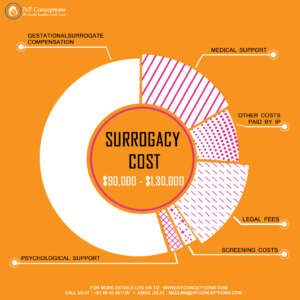
In summary, the cost of surrogacy in Mumbai ranges between ₹30 lakhs to ₹35 lakhs, making it one of the more premium but reliable destinations for intended parents in India. While the cost may seem high, it reflects the city’s advanced fertility technology, experienced specialists, and structured legal framework.
By planning carefully, understanding the cost breakdown, and choosing the right clinic, intended parents can move forward confidently on their journey to parenthood.
Cost of surrogacy in Mumbai with breakdown
| Expense Category | What It Covers | Estimated Cost (INR) |
|---|---|---|
| IVF & Medical Procedures | Egg retrieval, fertilization, embryo transfer, and medications. | ₹6 – ₹8 Lakhs |
| Surrogate Compensation (Altruistic) | Medical care, nutritional support, pregnancy-related expenses (no commercial payment allowed under law). | ₹4 – ₹5 Lakhs |
| Prenatal Care & Delivery | Check-ups, ultrasounds, and hospital delivery charges (normal or C-section). | ₹5 – ₹6 Lakhs |
| Legal & Documentation | Agreements, court approvals, and birth certificate issuance. | ₹2 – ₹3 Lakhs |
| Agency/Clinic Management Fees | Surrogate matching, coordination, counseling, and support. | ₹8 – ₹10 Lakhs |
| Miscellaneous & Emergency Expenses | Extra IVF cycles, NICU care (if needed), and unexpected medical issues. | ₹5 – ₹6 Lakhs |
What’s included and the main cost drivers
- Common inclusions: IVF/ICSI lab work, documentation, surrogate screening, ANC, delivery planning, and insurance for the surrogate mother.
- Key cost drivers: donor gametes, C-section vs vaginal birth, additional genetic testing, and legal fees.
- Location effects: neighborhood overheads create small variations across Andheri, Bandra, Borivali, Powai, and nearby areas.
Tip: Ask each clinic for an all-inclusive cost sheet and plan a 10–15% contingency for unexpected care or extended support.
The surrogacy process in Mumbai: step-by-step pathway from screening to birth
This practical roadmap shows how regulatory approvals, clinical steps, and legal filings run together to move you from screening to delivery.
Board approvals and certificates
Start with an interview and file preparation. Your application goes to the Ministry of Health and the District Medical Board.
Typical timelines: a medical indication certificate often takes about 2–4 weeks. Multiple permissions (often double-digits) mean you should plan for extra time.
IVF workflow and clinical procedure
The clinical path includes ovarian stimulation, egg retrieval, sperm collection, lab fertilization (IVF/ICSI), and embryo transfer into the surrogate mother.
Each step has a checklist (tests, consent, mock cycle) and a clear handoff to the next team.
Embryo shipment and ART registration
If embryos move between clinics, confirm ART Act registration at both sites, prepare notarized affidavits, email the National Registry, and obtain an NOC before transfer.
Antenatal care and delivery planning
After transfer, expect 15–30 days of rest, weekly scans early, fortnightly checks in the second trimester, and closer monitoring later. Genetic screens and routine labs are standard.
Documentation and legal filings
Insurance purchase, affidavits, and parental order filing run alongside medical care so the child’s legal status is secured at birth.
Strong documentation practices (many clinics report 100% submission success) reduce delays and post-birth administrative friction for intended parents.
How to choose the best surrogacy clinic in Mumbai
Evaluate clinics by how they report outcomes, manage paperwork, and support families across time zones.
What to assess: success rate, legal support, communication, and ethics
Ask how the success rate is calculated (per cycle versus per transfer) and whether complex cases are included.
Confirm one-stop legal support: will the clinic handle board submissions, affidavits, parental orders, and insurance, or will others manage these steps?
Watch for clear communication: dedicated coordinators and predictable updates matter for US patients working across time zones.
Experience that matters: years, babies born, and complex-case expertise
Prioritize centers with long clinical experience, many babies born, and a track record with complex medical histories.
Verify embryology capabilities (IVF/ICSI, vitrification, biopsy) and strong obstetric and neonatal partnerships for safe transfer and delivery.
One-stop service benefits for patients from the United States
One-stop services reduce travel and legal friction: documentation, court filings, insurance, screenings, and approvals under one coordinator.
“A clear process and transparent fees lower stress and speed the journey to parenthood.”
| Checklist | Why it matters | What to ask | Target outcome |
|---|---|---|---|
| Success metrics | Shows real performance | Per cycle vs per transfer; complex cases? | Reliable success rate data |
| Legal handling | Prevents delays | Do you manage filings and parental orders? | Complete documentation, 100% compliance |
| Patient support | Smoother process for US parents | Dedicated coordinator; travel help? | Predictable updates and fewer surprises |
Additional Resources to read:
Top Surrogacy Centers in Mumbai for Altruistic Surrogacy in India
IVF with Egg Donation in India
How Much Does Surrogacy Cost in Mumbai?
Conclusion
In conclusion, altruistic surrogacy in Mumbai offers a legally secure and ethically guided path to parenthood, ensuring that the surrogate is supported without financial exploitation. While commercial surrogacy is banned, the altruistic model focuses on medical expenses, insurance, and care for the surrogate, making the process transparent and regulated. For intended parents, this approach may feel restrictive compared to other countries, but it provides clarity, legal protection, and peace of mind while safeguarding the dignity of all parties involved.
Why Intended Parents Choose Complete Surrogacy for a Safe, Smooth & Successful Surrogacy Journey:
🌍 Access to multiple surrogacy destinations with 15+ years of international experience
🏥 Partnerships with top-tier fertility clinics and agencies, backed by references from past clients
👩🦱 Diverse egg donor options: Asian, Caucasian, African, Oriental, and more
💸 Transparent and affordable pricing—direct payments with no extra agency fees
🔒 No hidden costs—all charges are agreed upon upfront
🤝 Dedicated case manager for personalized support
📲 Fast, honest, and clear communication throughout
📑 Full legal support for visas, documentation, and baby exit processes
🚚 Assistance with frozen sperm/embryo shipment logistics

FAQs for altruistic surrogacy in Mumbai
What are the legal eligibility criteria for intended parents under the 2021 Act?
The 2021 legislation permits altruistic assisted reproduction for eligible Indian couples and single women who meet specific age and medical criteria. Intended parents must provide medical certificates of infertility or medical necessity, proof of marital status where required, and identity documents. Clinics and legal teams guide you through board approvals and the essentiality certificate process.
Who can serve as a surrogate mother, and what protections exist for her?
A surrogate must meet age, health, and parity requirements and give fully informed written consent. The law prohibits commercial arrangements; the woman receives medical care, pregnancy-related expenses, and insurance. Legal safeguards include counselling, a medical fitness certificate, and documented consent at multiple stages to protect her autonomy and health.
How much does the complete journey typically cost and what factors change the price?
Pricing varies by clinic, treatment plan, and medical needs. Costs generally cover IVF/ICSI, monitoring, antenatal care (ANC), delivery, legal documentation, and surrogate support. Major drivers include donor gametes, number of embryo transfers, C-section vs. vaginal birth, specialized tests (PGD/PGT), and legal fees. Clinics provide transparent packages and explain area-based variations across Mumbai.
What is included in a standard package for the procedure and aftercare?
Standard packages often include ovarian stimulation, egg retrieval, sperm processing, fertilization, embryo transfer, routine lab tests, antenatal visits, ultrasound scans, delivery charges, and coordination for documentation. Some packages add surrogate insurance and postnatal follow-up. Clarify exclusions such as donor fees, advanced genetic testing, and repeated cycles.
How does the IVF workflow work from stimulation to embryo transfer?
The IVF pathway starts with ovarian stimulation for the egg provider, followed by egg retrieval. Sperm is collected or donor sperm is used; fertilization occurs via conventional IVF or ICSI. Embryos are cultured and may undergo testing (PGT) before a transfer to the surrogate’s uterus. Luteal support and early pregnancy monitoring follow the transfer.
Can embryos be moved between clinics within India, and what approvals are needed?
Yes—embryo shipment within India requires adherence to ART authority guidelines. Clinics arrange proper transport, cold chain management, and documentation, often requiring a no-objection certificate (NOC) and records confirming the chain of custody. Legal and clinical teams coordinate to ensure compliance and embryo safety.
What antenatal milestones and monitoring should the intended parents expect?
Expect a structured ANC schedule: first-trimester dating scans, routine blood tests, second-trimester anomaly scans, glucose screening, regular obstetric visits, and growth scans in the third trimester. High-risk pregnancies receive specialist input. Clinics share a clear monitoring timeline and communicate results to intended parents.
How is parentage legally confirmed after birth, and what documents are required?
Parentage is confirmed through hospital birth records, affidavits, and a court-issued parental order when required. The process includes the surrogate’s discharge of parental rights in line with the law, submission of identity documents, and registration of the child’s birth. Legal teams handle filings to secure a smooth transfer of parental authority and citizenship documentation.
How do intended parents choose the best clinic or team for their journey?
Evaluate success rates, clinical accreditation, legal support, counselling services, and ethical policies (altruistic arrangements only). Look for experience with complex cases, transparent pricing, clear communication, and one-stop coordination for international patients if needed. Patient testimonials and documented outcomes are helpful decision factors.
When should intended parents consider donor eggs, sperm, or advanced testing like PGD/PGT?
Donor gametes are advised when there is poor ovarian reserve, severe male-factor infertility, or genetic concerns. PGD/PGT is recommended to avoid known hereditary conditions or for recurrent implantation failure. A fertility specialist reviews medical history and recommends testing and donor options based on clinical indications.
What measures support bonding and newborn care when the intended mother did not carry the pregnancy?
Clinics and lactation consultants can advise induced lactation protocols (hormonal and non-hormonal), skin-to-skin contact after birth, early breastfeeding techniques with expressed milk, and counselling to support emotional bonding. Parental presence during NICU care and coordinated postnatal support help establish attachment.
Are there options for international intended parents who choose clinics in the city?
Yes. Many centers offer one-stop services for overseas patients: legal coordination, visa guidance, full-service care including IVF, surrogate management, and birth registration assistance. Confirm timelines for legal clearances and travel plans; clinics experienced with cross-border care provide tailored pathways and communication in English.
What are typical success rates, and what affects outcome likelihood?
Success depends on embryo quality, surrogate uterine health, age of egg provider, use of ICSI or SSR when indicated, and clinic lab standards. Clinics report gestational success per transfer; ask for live-birth rates, breakdown by patient profile, and outcomes for donor cycles to set realistic expectations.
How are medical risks and complications managed during pregnancy?
Clinics provide obstetric risk assessment, specialist referrals for high-risk issues (pre-eclampsia, gestational diabetes), emergency protocols for delivery, and planned C-section support when needed. Surrogates receive continuous monitoring, counselling, and access to hospital facilities to reduce complications.
What ethical standards and patient rights should you expect from a reputable program?
Expect transparent consent, prohibition of commercial payments, respect for surrogate autonomy, confidentiality, and documented counselling for all parties. Reputable centers follow national ART guidelines, maintain ethical committees, and offer grievance redressal to protect patient and surrogate rights.

Highly esteemed, authoritative, and trusted professional with a 14-year of experience in international surrogacy. Advocate for Secure, Legal, and Affordable International Surrogacy.
Neelam Chhagani, MA (Counselling Psychology) and Holistic Infertility and Third-Party Reproduction Consultant.
Member of European Fertility Society, Best Surrogacy Blogger of 2020, with 300 dedicated blogs, and top contributor on Quora for Surrogacy.
Add Your Comment