
 The surrogacy law in Georgia is one of the main reasons why surrogacy in Georgia country is a preferred option for international intended parents. Georgia has a clear legal framework that recognizes gestational surrogacy in Georgia and provides strong parental rights to the intended parents from the time of birth.Under the current surrogacy laws in Georgia, married heterosexual couples facing medical infertility can legally pursue a structured surrogacy program in Georgia, with legal agreements, birth certificate rights, and medical procedures handled through licensed clinics and legal professionals.
This legal clarity, combined with regulated processes, makes Georgia a legally secure destination for international surrogacy for foreigners.
📞 Get in Touch for a Free Surrogacy Consultation
📱 +91-8800481100 (WhatsApp | LINE | Viber)
📧 neelam@ivfconceptions.com
Is Surrogacy Legal in Georgia for Foreigners?
Yes, surrogacy is completely legal in Georgia for foreigners. The country has established one of the most welcoming legal frameworks for international intended parents. Georgia surrogacy laws specifically permit heterosexual couples from abroad to pursue gestational surrogacy arrangements within the country.
The Georgian government recognized the need for clear regulations in this area. In 1997, Georgia became one of the first states to legalize commercial surrogacy. The laws have been refined over time to provide better protection for all parties involved in the surrogacy process.
Who Can Pursue Surrogacy in Georgia?
Married heterosexual couples can legally pursue surrogacy in Georgia. The law requires at least one intended parent to have a genetic connection to the child. This means that either the egg or sperm must come from one of the intended parents. Donor gametes may be used for the other genetic contribution.
Single individuals and same-sex couples face restrictions under the current surrogacy Georgia regulations. The law specifically requires married heterosexual couples to enter into surrogacy agreements. This limitation is important to understand before beginning the surrogacy journey in Georgia.
Explore our complete guide to international surrogacy in Georgia to learn.
Legal Recognition of Intended Parents
Georgia provides strong legal recognition for intended parents from the moment of conception. The surrogate mother has no legal rights to the child under Georgian law. The intended parents are recognized as the legal parents immediately upon birth. This clear legal standing makes Georgia attractive for international surrogacy arrangements.
Benefits for Foreign Intended Parents
- Clear legal framework protecting parental rights
- No residency requirements for intended parents
- Straightforward birth certificate process
- International recognition of parental status
- Established medical and legal infrastructure
Important Considerations
- Must be married heterosexual couples
- At least one genetic parent required
- Proper legal documentation is essential
- Embassy procedures vary by country
- Expert legal guidance is recommended
The process works smoothly when intended parents work with experienced professionals who understand both Georgian law and international procedures. Having proper legal representation ensures compliance with all requirements and protects your rights throughout the journey.
Get Personalized Legal Guidance
Every surrogacy journey is unique. Our legal experts provide tailored advice for international intended parents navigating Georgia’s surrogacy laws.
Legal Requirements for Surrogacy in Georgia for Intended Parents

Understanding the legal requirements for surrogacy in Georgia helps intended parents prepare properly. The country has established specific criteria that couples must meet to pursue gestational surrogacy. These requirements ensure the process protects all parties involved while maintaining clear legal standards.
Marital Status and Relationship Requirements
Intended parents must be legally married to pursue surrogacy in Georgia. The law requires couples to provide a valid marriage certificate as part of the documentation process. This certificate must be properly translated into Georgian and notarized according to local requirements.
The marriage must be between a man and a woman under current surrogacy laws. Same-sex marriages are not recognized for surrogacy purposes in Georgia. This requirement is strictly enforced throughout the legal process and cannot be waived under any circumstances.
Genetic Connection Requirements
At least one intended parent must have a genetic connection to the child. This means either the egg or sperm must come from one of the intended parents. The other genetic contribution may come from a donor if necessary for medical reasons.
Traditional surrogacy is not permitted under Georgian law. The surrogate mother cannot use her own egg in the embryo creation process. All cases must follow the gestational surrogacy model, where the gestational carrier has no genetic connection to the child she carries.
Medical Documentation Requirements
Medical necessity documentation is required for intended parents pursuing surrogacy. Couples must provide evidence of infertility or medical conditions preventing natural pregnancy. These documents typically include medical reports from qualified physicians explaining why surrogacy is necessary.
The documentation must demonstrate that the intended mother cannot safely carry a pregnancy to term. Conditions such as uterine abnormalities, repeated pregnancy loss, or serious health risks satisfy this requirement. Surrogacy Clinics in Georgia work with intended parents to ensure proper medical documentation is obtained and submitted correctly.
Age and Health Requirements
While Georgia does not specify strict age limits for intended parents, practical considerations apply. Most clinics prefer intended parents to be under 55 years of age. This guideline ensures parents can provide long-term care for the child throughout their upbringing.
Basic health screening is required to ensure intended parents are physically capable of caring for a child. These screenings are typically straightforward and focus on overall health status rather than specific conditions.
| Requirement Category | Specific Criteria | Documentation Needed |
| Marital Status | Legally married heterosexual couples only | Marriage certificate (translated and notarized) |
| Genetic Connection | At least one parent must provide egg or sperm | Medical records confirming genetic contribution |
| Medical Necessity | Documented infertility or medical inability to carry pregnancy | Medical reports from qualified physicians |
| Legal Documents | Valid passports and identification | Passport copies, ID documents |
| Surrogacy Agreement | Notarized contract between parties | Signed agreement with legal representation |
Legal Representation and Contracts
Intended parents must have proper legal representation throughout the surrogacy process. A qualified attorney specializing in Georgian surrogacy law should review all contracts and procedures. This legal support ensures compliance with all requirements and protects parental rights.
The surrogacy agreement must be drafted according to Georgian legal standards. This contract outlines the rights and responsibilities of all parties. It must be signed before the embryo transfer takes place to ensure legal validity.
For detailed guidance on meeting these requirements, contact our legal team at neelam@ivfconceptions.com. We help international intended parents navigate each step of the documentation process efficiently.
Birth Certificate Process for Surrogacy in Georgia
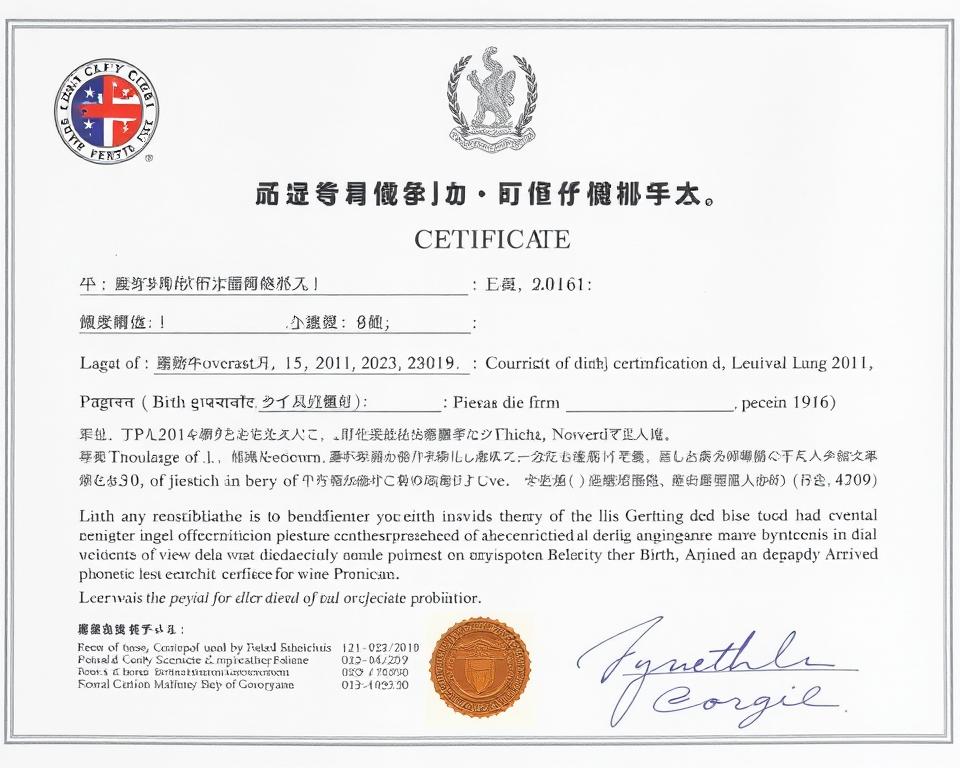
The birth certificate process in Georgia is remarkably straightforward for surrogacy cases. The country has streamlined procedures that recognize intended parents as legal parents from birth. This clarity eliminates many complications that exist in other jurisdictions where surrogacy occurs.
Immediate Recognition of Legal Parents
Georgian law recognizes the intended parents as the legal parents immediately when the baby is born. The surrogate mother is not listed on the birth certificate at any point in the process. This immediate recognition is one of the strongest advantages of pursuing surrogacy in Georgia compared to other countries.
The birth certificate lists both intended parents by name. Their names appear exactly as shown on their passport documents. No adoption procedures or court orders are necessary to establish legal parentage. The baby born through surrogacy receives the same documentation as any child born in Georgia.
Hospital Registration Procedures
Registration begins immediately after delivery at the hospital where the birth occurs. Hospital staff are familiar with surrogacy cases and understand the proper documentation requirements. The intended parents provide their identification documents to the hospital administration for the registration process.
Within 24 to 48 hours after birth, the hospital completes the initial birth registration. This registration creates the official record that will be used to issue the birth certificate. The process moves quickly because Georgian hospitals have standardized procedures for surrogacy births.
Civil Registry Office Process
The Civil Registry Office issues the official birth certificate after receiving documentation from the hospital. This typically occurs within 3 to 5 business days following the birth. The certificate is issued in Georgian language as the primary document.
Intended parents receive both the Georgian language version and an official English translation. Both documents carry equal legal weight for international purposes. The English translation is particularly important for embassy procedures and travel documentation.
Documents Required for Birth Certificate
- Valid passports of both intended parents
- Marriage certificate (translated and notarized)
- Hospital birth notification document
- Surrogacy agreement (notarized copy)
- Medical records confirming genetic parentage
- Embassy notification forms (if required)

Timeline for Birth Certificate Issuance
The standard timeline for receiving a birth certificate is approximately 5 to 7 days from the date of birth. This quick turnaround time helps intended parents proceed with embassy procedures without extended delays. Most families can begin their travel home within 10 to 14 days of delivery.
Rush processing is available in urgent cases for an additional fee. This expedited process can reduce the waiting time to 2 to 3 business days. Families should discuss their timeline needs with their legal representative to determine if rush processing is necessary.
Apostille Certification
The birth certificate requires apostille certification for international recognition. The apostille is an official stamp that authenticates the document for use in other countries. Georgia is a signatory to the Hague Apostille Convention, which simplifies international document authentication.
Obtaining the apostille typically adds 2 to 3 business days to the overall process. The Ministry of Justice in Georgia issues apostilles for birth certificates and other official documents. This certification ensures that foreign embassies and government agencies will recognize the document as legitimate.
Important Note: The birth certificate names in Georgia must match exactly with the passport names of the intended parents. Any discrepancies can cause delays in embassy processing and travel documentation. Verify all spelling and information carefully before submission.
Ensure Proper Documentation for Your Surrogacy Baby
The birth certificate process requires careful attention to detail. Our team guides international intended parents through every step to prevent delays and ensure accurate documentation.
Parental Rights in Georgia for a Surrogacy Baby

Parental rights in Georgia for surrogacy babies are among the strongest and clearest in the world. The country’s legal framework provides comprehensive protection for intended parents from conception through citizenship acquisition. Understanding these rights helps families feel confident throughout their surrogacy journey.
Immediate Legal Parentage
Georgian law establishes the intended parents as the legal parents from the moment of conception. The surrogacy agreement, when properly executed, transfers all parental rights to the intended parents immediately. The surrogate mother has absolutely no legal claim to the child at any point in the process.
This immediate recognition means no adoption procedures are required. Many countries require intended parents to adopt their own genetic child after birth. Georgia eliminates this complication. The intended parents are simply recognized as the parents without additional legal steps.
Rights During Pregnancy
Intended parents have decision-making authority throughout the pregnancy. They can participate in medical appointments and prenatal care decisions. The gestational carrier agrees to follow medical guidance and lifestyle requirements specified in the surrogacy agreement.
The agreement protects the rights of both parties during the pregnancy. Intended parents have the right to be informed of all medical developments. They can communicate with doctors and receive regular updates on the baby’s growth and health.
Rights at Birth and Hospital Stay
Intended parents have full legal authority over their child from the moment of delivery. They make all medical decisions for the baby during the hospital stay. The hospital staff treats the intended parents as the legal parents in every respect.
The parents can be present in the delivery room if they choose. They can participate in skin-to-skin contact immediately after birth. The baby stays with the intended parents during the hospital stay, not with the gestational carrier.
Protection Against Claims
Georgian law provides strong protection against any potential claims from the gestational carrier. The surrogate cannot make legal claims for custody or visitation rights. The surrogacy agreement is legally binding and enforceable under Georgian law.
The genetic parents listed on the birth certificate cannot be challenged later. This finality provides peace of mind for intended parents. The legal protections remain in effect even if complications arise during or after pregnancy.
Strengths of Georgian Parental Rights
- Immediate legal recognition from conception
- No adoption required for genetic parents
- Strong legal protection against claims
- Full decision-making authority
- International recognition of parentage
- Clear legal precedent supporting rights
Limitations to Consider
- Rights only apply to married heterosexual couples
- Genetic connection requirement limits options
- The home country may have different recognition rules
- Embassy procedures vary by nationality
- Legal representation required for protection
Citizenship and Nationality Rights
The baby acquires citizenship rights based on the nationality of the parents. Most countries grant citizenship to children born to their citizens abroad. The birth certificate from Georgia serves as proof of parentage for citizenship applications.
The process for obtaining citizenship varies significantly by country. Some nations provide immediate citizenship recognition. Others require additional documentation or application procedures. Understanding your home country’s citizenship laws is essential for planning the baby’s legal status.
Long-Term Parental Rights Protection
The parental rights established in Georgia remain valid indefinitely. No time limit exists for challenging the parentage determination. This permanence provides security for the family throughout the child’s life.
The Georgian birth certificate serves as permanent proof of parentage. This document can be used to establish parental rights in other legal contexts. Schools, medical facilities, and government agencies all recognize the certificate as legitimate proof of family relationship.
Legal Protection in Georgia Country for Intended Parents

Constitutional and Statutory Protections
Georgian law provides constitutional recognition of family rights that extend to surrogacy arrangements. The legal code specifically addresses gestational surrogacy and establishes clear rules for all parties. These statutory protections have been tested and upheld through years of legal precedent.
The Family Code of Georgia explicitly recognizes surrogacy agreements as legally binding contracts. Courts in Georgia consistently uphold these agreements when properly executed. This strong legal foundation gives intended parents confidence that their rights will be protected if disputes arise.
Contractual Protections Through Surrogacy Agreements
The surrogacy agreement serves as the primary legal protection for intended parents. This contract must be drafted according to Georgian legal standards and notarized before the embryo transfer procedures begin. Proper legal representation during contract drafting is essential for maximum protection.
The agreement clearly defines the rights and obligations of all parties. It establishes that the intended parents are the legal parents from conception. The contract specifies that the surrogate has no parental rights or claims to the child. These provisions are enforceable under Georgian law.
Protection Against Surrogate Claims
Georgian law provides absolute protection against parental claims from the gestational carrier. The surrogate cannot claim custody, visitation rights, or any parental status. This protection remains in effect regardless of circumstances that may arise during or after pregnancy.
Even if the surrogate changes her mind after delivery, she has no legal standing to challenge the arrangement. The courts will not entertain such claims when a valid surrogacy agreement exists. This ironclad protection is one of the strongest features of Georgian surrogacy law.
Medical Decision-Making Authority
Intended parents have complete authority over medical decisions throughout the pregnancy and after birth. Doctors and medical staff recognize the intended parents as having legal authority for consent and treatment decisions. This authority begins from the moment of embryo transfer and continues indefinitely.
The medical clinics in Georgia are experienced in working with surrogacy cases. They understand the legal framework and respect the decision-making authority of intended parents. This professional understanding prevents conflicts and ensures smooth medical care throughout the process.
Secure Comprehensive Legal Protection
Expert legal representation ensures your rights are protected at every stage of your surrogacy journey. Our team provides comprehensive legal services tailored to international intended parents.
Taking the Next Step in Your Surrogacy Journey

Additional Resources to Read:
Why Working with a Lawyer Is Essential in International Surrogacy.
All about Surrogacy Laws in Georgia for Successful Program
Conclusion
Overall, the surrogacy law in Georgia offers legal transparency, protection of parental rights, and a well-defined framework for the entire surrogacy journey in Georgia country. With supportive regulations, legally recognized contracts, and a straightforward birth certificate process, intended parents benefit from a secure and organized gestational surrogacy process in Georgia.
For eligible couples considering international surrogacy in Georgia, understanding the legal requirements, documentation, and eligibility criteria is essential to ensure a smooth, compliant, and legally protected path to parenthood.
Ready to Start Your Surrogacy Journey in Georgia?
Our experienced legal team provides comprehensive support for international intended parents. We guide you through every aspect of Georgian surrogacy law, from initial consultation through bringing your baby home.
Contact us today:
- Phone: +91-8800481100
- Email: neelam@ivfconceptions.com
- Free initial consultation available
- Personalized legal guidance for your situation
- Support throughout your entire journey
Take the first step toward building your family today. Contact our team to discuss how we can support your surrogacy journey in Georgia with expert legal guidance and comprehensive care.
💫 Why Intended Parents Choose Complete Surrogacy for a Safe, Smooth & Successful Surrogacy Journey:
🌍 Access to multiple surrogacy destinations with 15+ years of international experience
🏥 Partnerships with top-tier fertility clinics and agencies, backed by references from past clients
👩🦱 Diverse egg donor options: Asian, Caucasian, African, Oriental, and more
💸 Transparent and affordable pricing—direct payments with no extra agency fees
🔒 No hidden costs—all charges are agreed upon upfront
🤝 Dedicated case manager for personalized support
📲 Fast, honest, and clear communication throughout
📑 Full legal support for visas, documentation, and baby exit processes
🚚 Assistance with frozen sperm/embryo shipment logistics