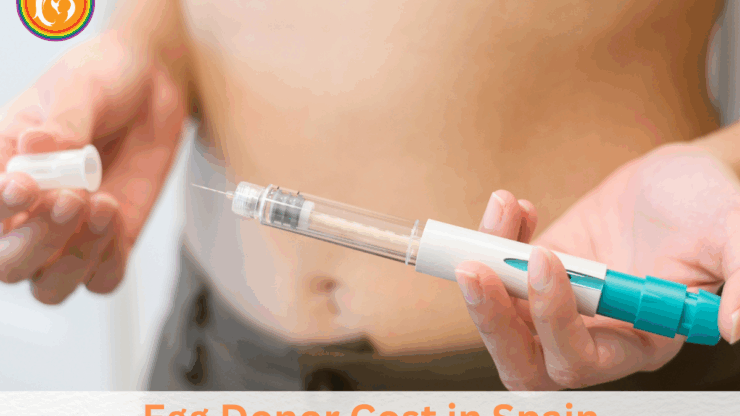
Understanding surrogacy: fresh vs frozen embryos explained helps intended parents choose the option that best fits their medical and timing needs. Fresh embryo transfer involves using embryos created and transferred within the same IVF cycle, which can shorten timelines but requires precise coordination between the IVF process and the surrogate’s cycle. Frozen embryo transfer (FET), on the other hand, allows…
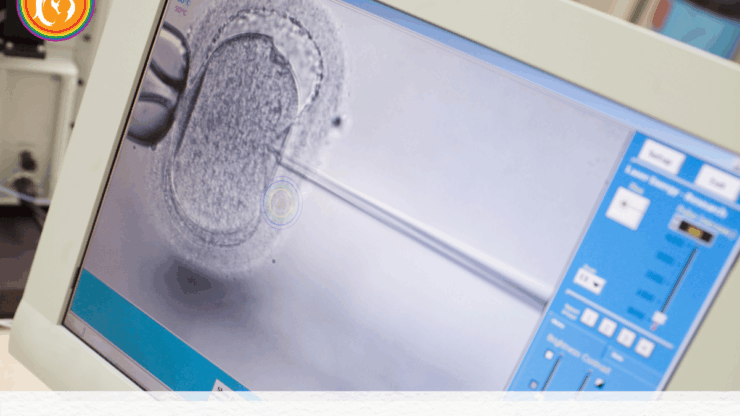
Surrogacy embryo transfer is a key step in the surrogacy journey where a carefully selected embryo is placed into the surrogate’s uterus to initiate pregnancy. Before the transfer, the surrogate’s body is medically prepared with hormonal support to create an ideal uterine lining, while the embryo—often developed through IVF and sometimes genetically tested—is chosen for the highest chance of success.…
Spain is one of Europe’s most sought-after destinations for egg donation and IVF treatment. With a combination of world-class fertility clinics, liberal reproductive laws, and anonymity protections for donors, Spain attracts thousands of intended parents from the UK, France, Germany, the Netherlands, the USA, and Latin America every year. Egg donation in Spain is completely legal, anonymous, and ethically regulated…