
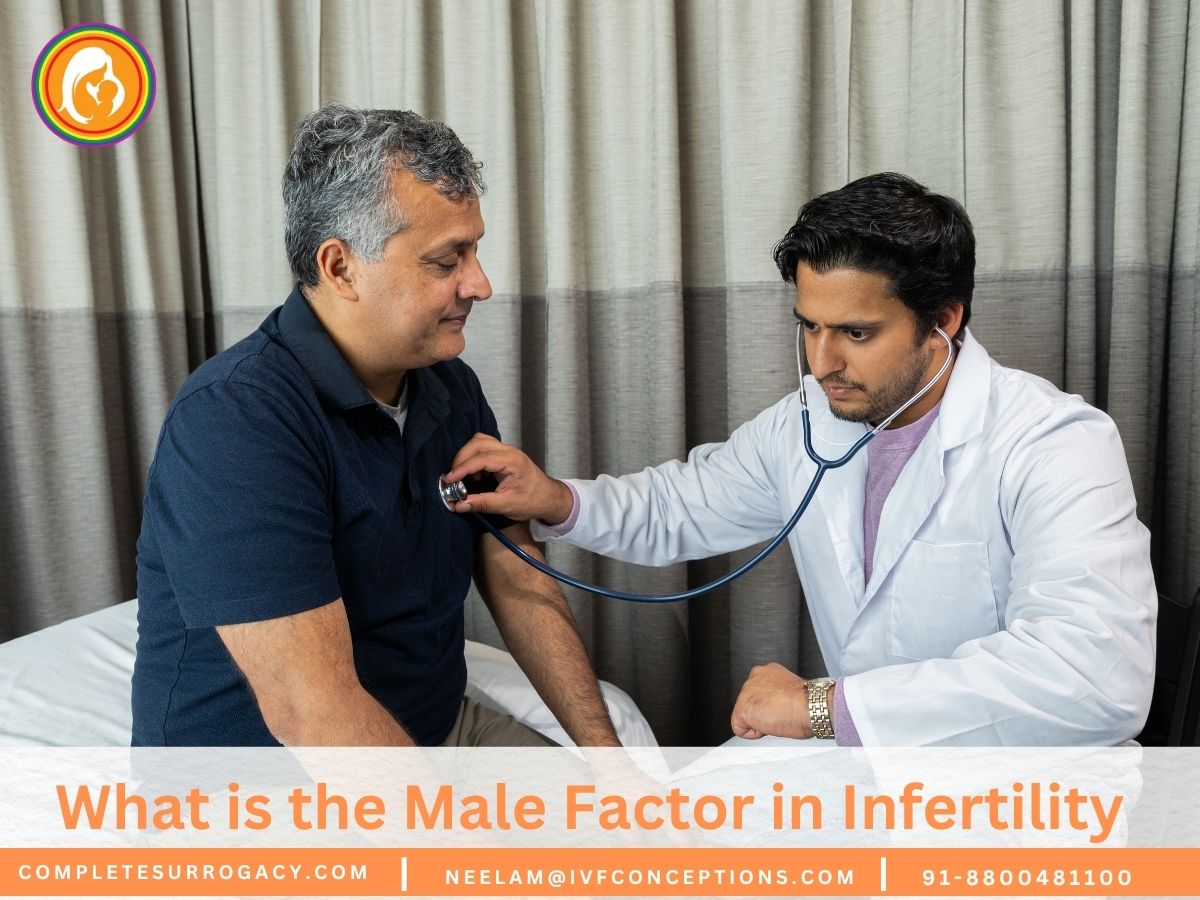
Are you or your partner struggling to conceive, wondering if male infertility might be the cause? Infertility affects many couples, and understanding the role of male factors is crucial.
According to the American Society for Reproductive Medicine (ASRM), male factors contribute to approximately 50% of all infertility cases, with sperm issues being the sole cause in about 20% of infertile couples.
Male infertility can result from various factors, including physical issues, hormonal imbalances, toxic exposures, genetic factors, or chronic illness. Understanding these causes is essential for couples seeking to start a family.
Key Takeaways
- Male factors contribute to approximately 50% of all infertility cases.
- Sperm issues are the sole cause in about 20% of infertile couples.
- Male infertility can result from physical, hormonal, or genetic factors.
- Proper evaluation and understanding of male reproductive health are crucial.
- Many men experience fertility problems without obvious symptoms.
📞 Get in Touch for a Free Surrogacy Consultation
📱 +91-8800481100 (WhatsApp | LINE | Viber)
📧 neelam@ivfconceptions.com
🌐 www.georgiasurrogacyagency.com
💫 Why Intended Parents Choose Complete Surrogacy for a Safe, Smooth & Successful Surrogacy Journey:
🌍 Access to multiple surrogacy destinations with 15+ years of international experience
🏥 Partnerships with top-tier fertility clinics and agencies, backed by references from past clients
👩🦱 Diverse egg donor options: Asian, Caucasian, African, Oriental, and more
💸 Transparent and affordable pricing—direct payments with no extra agency fees
🔒 No hidden costs—all charges are agreed upon upfront
🤝 Dedicated case manager for personalized support
📲 Fast, honest, and clear communication throughout
📑 Full legal support for visas, documentation, and baby exit processes
🚚 Assistance with frozen sperm/embryo shipment logistics

Understanding Male Factor Infertility
The journey to understanding male factor infertility begins with acknowledging its prevalence and the challenges it poses. Male factor infertility refers to the inability of a couple to conceive after a year of regular, unprotected intercourse, where the male partner has a diagnosed fertility issue. This condition affects a significant portion of the population, with male factors contributing to about 50% of all infertility cases.
Definition and Prevalence
Male factor infertility is defined as the presence of any condition in the male partner that prevents conception. The prevalence of male infertility has been on the rise, with studies indicating that approximately 7% of men of reproductive age suffer from some form of infertility. A normal sperm count is considered to be more than 48 million sperm per ejaculation, but the journey of sperm to fertilize an egg is complex, with only about 1 in 14 million sperm successfully reaching the fallopian tubes.
The causes of male infertility are varied, ranging from physical and anatomical issues to hormonal imbalances and genetic factors. Lifestyle and environmental factors also play a significant role in the health of a man’s reproductive system.
Prevalence Statistics:
| Condition | Prevalence |
|---|---|
| Male Infertility | 7% of men of reproductive age |
| Normal Sperm Count | More than 48 million sperm per ejaculation |
| Sperm Reaching Fallopian Tubes | 1 in 14 million |
The Role of Male Factors in Conception Challenges
Male factors play a crucial role in conception challenges. The quality and quantity of sperm are critical for successful fertilization. Any issue affecting sperm production, motility, or morphology can significantly impact fertility. For instance, a low sperm count or poor sperm motility can reduce the chances of conception.
“Understanding that infertility is a medical condition rather than a reflection of masculinity or worth is crucial for the man’s mental health and the couple’s ability to move forward constructively.”
The emotional and psychological impact of male factor infertility on couples should not be underestimated. It can lead to feelings of inadequacy, guilt, and stress, affecting the relationship.
Impact on Couples Trying to Conceive

The discovery of male factor infertility often creates emotional challenges for both partners. Men may experience feelings of inadequacy or guilt, while the couple as a whole may face complex medical decisions and financial burdens associated with fertility treatments.
- Open communication between partners is essential to navigate the challenges of male infertility.
- Couples who approach male infertility as a shared challenge tend to have better emotional and medical outcomes.
- The financial burden of fertility treatments can add significant pressure to couples already dealing with the emotional impact of infertility.
By understanding male factor infertility and its implications, couples can better cope with the challenges and make informed decisions about their fertility journey.
The Biology of Male Reproduction
The process of male reproduction involves a delicate balance of hormones, organs, and cellular processes. This intricate system is crucial for the production of sperm and the overall reproductive health of an individual.
The Hypothalamus-Pituitary-Gonadal (HPG) Axis
The Hypothalamic-Pituitary-Gonadal (HPG) axis plays a crucial role in regulating male reproductive function. It is a complex neuroendocrine system that involves the hypothalamus, pituitary gland, and gonads (testicles). The hypothalamus secretes gonadotropin-releasing hormone (GnRH), which stimulates the pituitary gland to release luteinizing hormone (LH) and follicle-stimulating hormone (FSH). LH and FSH, in turn, regulate the production of testosterone and sperm.
The HPG axis is essential for maintaining the balance of hormones necessary for spermatogenesis. Any disruption in this axis can lead to issues with sperm production and quality.
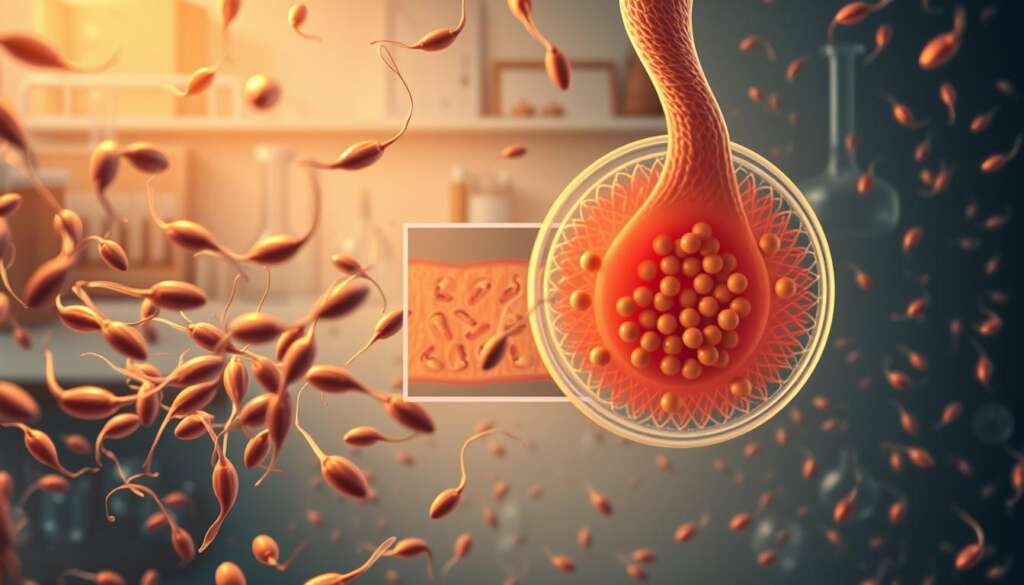
Spermatogenesis: How Sperm is Produced
Spermatogenesis is the complex biological process by which sperm are produced. It takes approximately 75 days to complete and occurs within the seminiferous tubules of the testicles. The process begins with primitive germ cells called spermatogonia, which undergo multiple stages of cell division and maturation to become spermatozoa or sperm.
The production of sperm requires optimal testicular temperature, which is why the testicles are located outside the body in the scrotum. The sperm then travel to the epididymis, where they undergo final maturation and gain motility over several days.
Any disruption in spermatogenesis, whether due to genetic factors, hormonal imbalances, or environmental toxins, can affect sperm quality and quantity. Understanding the timeline and requirements of spermatogenesis is crucial for addressing issues related to male infertility and the production of healthy sperm.
- Spermatogenesis is a complex process involving mitosis, meiosis, and spermiogenesis.
- The process is highly sensitive to environmental and hormonal changes.
- Optimal testicular temperature is crucial for sperm production.
What is the Male Factor in Infertility? Common Causes Explained
The male factor in infertility encompasses a range of medical, environmental, and lifestyle factors that can affect a man’s ability to conceive. Understanding these causes is essential for identifying potential solutions and treatments.
Physical and Anatomical Causes
Physical and anatomical issues can significantly impact male fertility. These causes can be further divided into specific conditions that affect sperm production and delivery.
Varicocele
A varicocele is an enlargement of the veins within the scrotum, similar to varicose veins. This condition can lead to impaired sperm production due to increased temperature in the testicles. Studies have shown that varicocele repair can improve sperm quality and increase the chances of conception.
Obstructive Conditions
Obstructive conditions, such as epididymal obstruction or vas deferens obstruction, can prevent sperm from being ejaculated normally. These blockages can result from injury, infection, or congenital conditions. Surgical intervention may be necessary to correct these obstructions.
Hormonal Imbalances
Hormonal imbalances play a crucial role in male fertility. The hypothalamic-pituitary-gonadal axis regulates testosterone production and spermatogenesis. Disorders affecting this axis, such as hypogonadism, can lead to decreased sperm production and quality.
| Hormone | Function | Impact on Fertility |
|---|---|---|
| Testosterone | Regulates spermatogenesis and male reproductive organs | Low levels can decrease sperm production |
| FSH (Follicle-Stimulating Hormone) | Stimulates spermatogenesis | Imbalances can affect sperm quality and quantity |
| LH (Luteinizing Hormone) | Regulates testosterone production | Imbalances can impact testosterone levels and spermatogenesis |
Genetic Factors
Genetic factors can significantly contribute to male infertility. Conditions such as Klinefelter syndrome, Y chromosome microdeletions, and other genetic abnormalities can affect sperm production and quality. Genetic testing can help identify these issues.
Lifestyle and Environmental Factors
Lifestyle and environmental factors also play a significant role in male fertility. Exposure to certain chemicals, radiation, and excessive heat can negatively impact sperm health. Additionally, lifestyle choices such as smoking, excessive alcohol consumption, and recreational drug use have been linked to decreased sperm quality.

Making healthy lifestyle choices and minimizing exposure to harmful environmental factors can help preserve fertility. For instance, maintaining a healthy weight, limiting alcohol intake, and avoiding tobacco can improve sperm health.
Diagnosing Male Infertility
The process of diagnosing male infertility is multifaceted, requiring a thorough initial consultation, physical examination, and advanced diagnostic tests. This comprehensive approach helps healthcare providers identify the underlying causes of infertility in men.
Initial Consultation and Medical History
The diagnostic journey begins with an initial consultation where a detailed medical history is taken. This step is crucial as it helps identify potential factors contributing to infertility, such as previous medical conditions, surgeries, or lifestyle factors.
During this consultation, healthcare providers may ask questions about your medical history, sexual health, and any previous fertility issues. This information is vital in guiding further diagnostic tests.
Physical Examination
A physical examination is conducted to identify any physical abnormalities that could be contributing to infertility. This examination may include an evaluation of the genital area to check for any issues such as varicocele, undescended testes, or blockages.
Semen Analysis: The Cornerstone Test
Semen analysis is a critical test in diagnosing male infertility. It involves examining a semen sample to assess various parameters such as sperm count, motility, and morphology.
Understanding Semen Parameters
Semen parameters provide valuable insights into male fertility. Key parameters include sperm concentration, motility (the ability of sperm to move properly), and morphology (the shape and size of sperm). Abnormalities in these parameters can indicate underlying fertility issues.
Preparing for a Semen Analysis
To ensure accurate results, it’s essential to follow specific guidelines when preparing for a semen analysis. This may include abstaining from ejaculation for a certain period before the test and avoiding any factors that could potentially damage sperm quality.
Additional Diagnostic Tests
In addition to semen analysis, other diagnostic tests may be recommended to further investigate the causes of infertility.
Hormone Testing
Hormone testing is used to evaluate the levels of reproductive hormones in the blood. Hormonal imbalances can significantly impact fertility, and this test helps identify such issues.
Genetic Testing
Genetic testing is particularly recommended in cases of severe male infertility, especially when sperm concentration is extremely low or absent. This testing can identify genetic mutations or abnormalities that may be contributing to infertility.
Sometimes, genetic factors inherited from parents can cause very low sperm counts. For instance, a condition known as Y-chromosome microdeletion can result in significantly reduced sperm production. Genetic testing can provide valuable insights into such conditions.
| Genetic Test | Purpose | Indications |
|---|---|---|
| Karyotype Analysis | Examines chromosomal structure and number | Identifies conditions like Klinefelter syndrome (47,XXY) |
| Y-Chromosome Microdeletion Testing | Identifies missing genetic material critical for sperm production | Severe male infertility with low or absent sperm count |
| Cystic Fibrosis Gene Mutation Testing | Detects mutations linked to congenital absence of the vas deferens | Men with congenital absence of the vas deferens |
Genetic test results not only help diagnose the cause of infertility but also provide crucial information for counseling about the potential for passing genetic conditions to offspring. When genetic abnormalities are identified, couples may be referred for genetic counseling to discuss implications and reproductive options.

Treatment Options for Male Factor Infertility
Male factor infertility can be addressed through a range of treatments, from simple lifestyle changes to advanced reproductive technologies. Understanding these options is crucial for couples navigating the challenges of infertility.

Lifestyle Modifications
The first line of treatment often involves lifestyle changes. This includes dietary adjustments, such as increasing intake of antioxidants and certain nutrients that support sperm health. Regular exercise and maintaining a healthy weight can also improve semen quality. Additionally, reducing or eliminating harmful habits like smoking and excessive alcohol consumption can positively impact fertility.
Medical Treatments
For some men, medical treatments can address underlying issues contributing to infertility. This may involve hormone therapy to correct hormonal imbalances that affect spermatogenesis. Medications can also be used to treat infections or inflammation that may be impacting semen quality.
Surgical Interventions
Surgery can be an effective treatment for certain causes of male infertility. This includes procedures to correct anatomical issues.
Varicocele Repair
A varicocele is a swelling of the veins that drain the testicle, which can affect sperm production and quality. Surgical repair can improve fertility outcomes in affected men.
Obstructive Azoospermia Procedures
For men with obstructive azoospermia, surgical procedures can help retrieve sperm for use in assisted reproductive technologies. These procedures aim to bypass or correct the blockage preventing sperm from being ejaculated.
Assisted Reproductive Technologies
When other treatments are not viable or successful, assisted reproductive technologies (ART) offer a viable pathway to parenthood. These technologies involve directly manipulating sperm and eggs to achieve fertilization.
Intrauterine Insemination (IUI)
IUI involves placing sperm directly into the uterus around the time of ovulation, increasing the chances of fertilization. This procedure is often recommended when semen analysis shows a reasonable sperm count and motility.
In Vitro Fertilization (IVF) and ICSI
IVF with intracytoplasmic sperm injection (ICSI) is a more advanced treatment. Eggs are retrieved from the female partner and sperm are collected from the male partner. ICSI involves injecting a single sperm into each egg, significantly enhancing the chances of fertilization even with low sperm counts or poor motility.
Success rates for IVF with ICSI vary, generally ranging from 30-60% live birth rate per cycle, depending on factors such as the female partner’s age and specific fertility issues. While highly effective, this treatment is also the most expensive and invasive, requiring careful consideration of financial, emotional, and ethical factors.
Coping with Male Infertility
When faced with male infertility, couples often find themselves navigating a rollercoaster of emotions and uncharted territories in their relationship. The journey to understanding and addressing infertility is not just about medical treatments; it’s also about coping with the emotional and psychological impacts it has on both partners.
Emotional Impact and Mental Health
Male infertility can have a profound effect on a man’s sense of identity and self-worth, often leading to feelings of inadequacy or failure. It’s essential for men to acknowledge these feelings and seek support, whether through counseling, support groups, or open discussions with their partner.
The emotional toll of infertility is not limited to men; women also experience significant stress and emotional pain. The combined effect can strain the relationship, making it crucial for couples to find healthy ways to communicate and support each other.
Communication Strategies for Couples
Effective communication is the cornerstone of navigating the challenges of male infertility together. Here are some strategies that can help:
- Establish regular “fertility talks” in a neutral setting to share feelings and concerns without overwhelming daily interactions.
- Use “I” statements instead of “you” statements to express feelings without assigning blame.
- Practice active listening by fully focusing on understanding your partner’s perspective before responding.
- Acknowledge that men and women often process emotions differently around infertility to avoid misinterpreting each other’s coping mechanisms.
Creating a shared decision-making process for treatment options can also help. This ensures both partners feel equally invested and prevents resentment about the physical, emotional, and financial burdens associated with fertility treatments.
| Communication Strategy | Benefit |
|---|---|
| Regular “Fertility Talks” | Provides a structured opportunity to share feelings and concerns |
| Using “I” Statements | Helps express feelings without assigning blame |
| Active Listening | Prevents misunderstandings and builds empathy |
By adopting these strategies and maintaining open, honest communication, couples can navigate the challenges of male infertility more effectively, strengthening their relationship in the process.
Prevention Strategies for Male Infertility
Preventing male infertility requires a comprehensive approach that includes protecting reproductive health and knowing when to seek medical help. By understanding the risk factors and taking proactive measures, men can reduce their likelihood of experiencing fertility problems.
Protecting Reproductive Health
Maintaining overall health is crucial for reproductive well-being. This includes adopting a healthy lifestyle, such as a balanced diet, regular exercise, and avoiding excessive alcohol consumption and smoking. Healthy habits can significantly impact fertility, as they help in maintaining optimal sperm quality and overall reproductive health.
Men should also be aware of potential environmental and occupational hazards that could affect their fertility, such as exposure to toxins or high temperatures. Taking protective measures, such as wearing protective gear at work and avoiding hot environments like saunas, can help mitigate these risks.
When to Seek Help
Men need to know when to seek medical help regarding their fertility. Men with known risk factors for infertility, such as a history of undescended testicles, testicular trauma, or cancer treatment, should consider proactive evaluation even before attempting conception.
Couples trying to conceive should seek fertility evaluation if they haven’t succeeded after one year of regular, unprotected intercourse (or after six months if the female partner is over 35). Additionally, men experiencing symptoms like testicular pain, swelling, or changes in sexual function should seek immediate medical care, as these could indicate underlying conditions affecting fertility.
- Men with a family history of infertility or genetic conditions should consider genetic counseling.
- Those planning to delay fatherhood should consider fertility testing and possibly sperm banking.
- Regular preventive healthcare and open discussions with healthcare providers about reproductive concerns can help identify potential issues early.
By being proactive and informed, men can take control of their reproductive health and address potential fertility issues before they become significant problems.
Additional Resources to read:
Female Infertility Causes, Symptoms, and Treatments
What is the Legal Procedure for Surrogacy in India
10 Natural Ways to Boost Fertility
AMH and Infertility: Understanding Fertility Tests
Conclusion
With advancements in reproductive medicine, the landscape of male infertility treatment has evolved significantly, offering hope to many. Male factor infertility, affecting approximately 15% of couples trying to conceive, is a complex issue that requires a comprehensive understanding of its causes, diagnosis, and treatment options.
Understanding the causes of male infertility—ranging from hormonal imbalances and genetic factors to lifestyle influences and physical conditions—is the first step toward effective treatment. A comprehensive evaluation through medical history, physical examination, semen analysis, and additional testing is essential for accurate diagnosis and care.
The care for couples facing infertility involves not just medical treatments but also emotional support. Treatment options range from lifestyle modifications and medical therapies to surgical interventions and advanced reproductive technologies. A multidisciplinary approach involving urologists, reproductive endocrinologists, mental health professionals, and genetic counselors provides the most comprehensive care.
By understanding the available options and accessing appropriate care, couples can make informed decisions and maintain hope throughout the process. Preventive strategies, including maintaining overall health and avoiding reproductive toxins, can help preserve fertility. With the right support and treatment, many couples can overcome infertility challenges and achieve pregnancy within a year.

FAQs for what is male factor infertility
What is male factor infertility?
Male factor infertility refers to a condition where a man’s reproductive health issues contribute to a couple’s inability to conceive. It can be caused by various factors, including low sperm count, poor sperm quality, or blockages that prevent sperm delivery.
How is male infertility diagnosed?
Diagnosing male infertility typically involves a comprehensive evaluation, including a physical exam, semen analysis, and sometimes additional tests such as hormone level checks or genetic testing to identify underlying causes.
What is a semen analysis, and what does it measure?
A semen analysis is a test that evaluates the quality and quantity of a man’s sperm. It measures parameters such as sperm count, motility (movement), morphology (shape), and other factors to assess fertility potential.
Can lifestyle factors affect male fertility?
Yes, certain lifestyle factors, including excessive alcohol consumption, smoking, and exposure to environmental toxins, can negatively impact male fertility by affecting sperm quality and count.
What treatment options are available for male factor infertility?
Treatment options for male factor infertility can include lifestyle modifications, medical treatments to address hormonal imbalances or other health issues, surgical interventions to correct anatomical problems, and assisted reproductive technologies (ART) such as in vitro fertilization (IVF).
Can a varicocele cause male infertility?
Yes, varicocele, a condition characterized by enlarged veins in the scrotum, can affect sperm production and quality, potentially leading to infertility. Surgical correction may be recommended in some cases.
How can men protect their reproductive health?
Men can protect their reproductive health by maintaining a healthy lifestyle, avoiding excessive heat exposure to the testicles, limiting exposure to toxins, and seeking medical attention if they experience any symptoms or concerns related to their reproductive health.
When should a man seek medical help for infertility?
Men experiencing difficulty conceiving with their partner after a year of regular, unprotected intercourse should consider seeking medical evaluation. Earlier assessment may be warranted if there are known risk factors or specific health concerns.

Highly esteemed, authoritative, and trusted professional with a 14-year of experience in international surrogacy. Advocate for Secure, Legal, and Affordable International Surrogacy.
Neelam Chhagani, MA (Counselling Psychology) and Holistic Infertility and Third-Party Reproduction Consultant.
Member of European Fertility Society, Best Surrogacy Blogger of 2020, with 300 dedicated blogs, and top contributor on Quora for Surrogacy.
Add Your Comment