
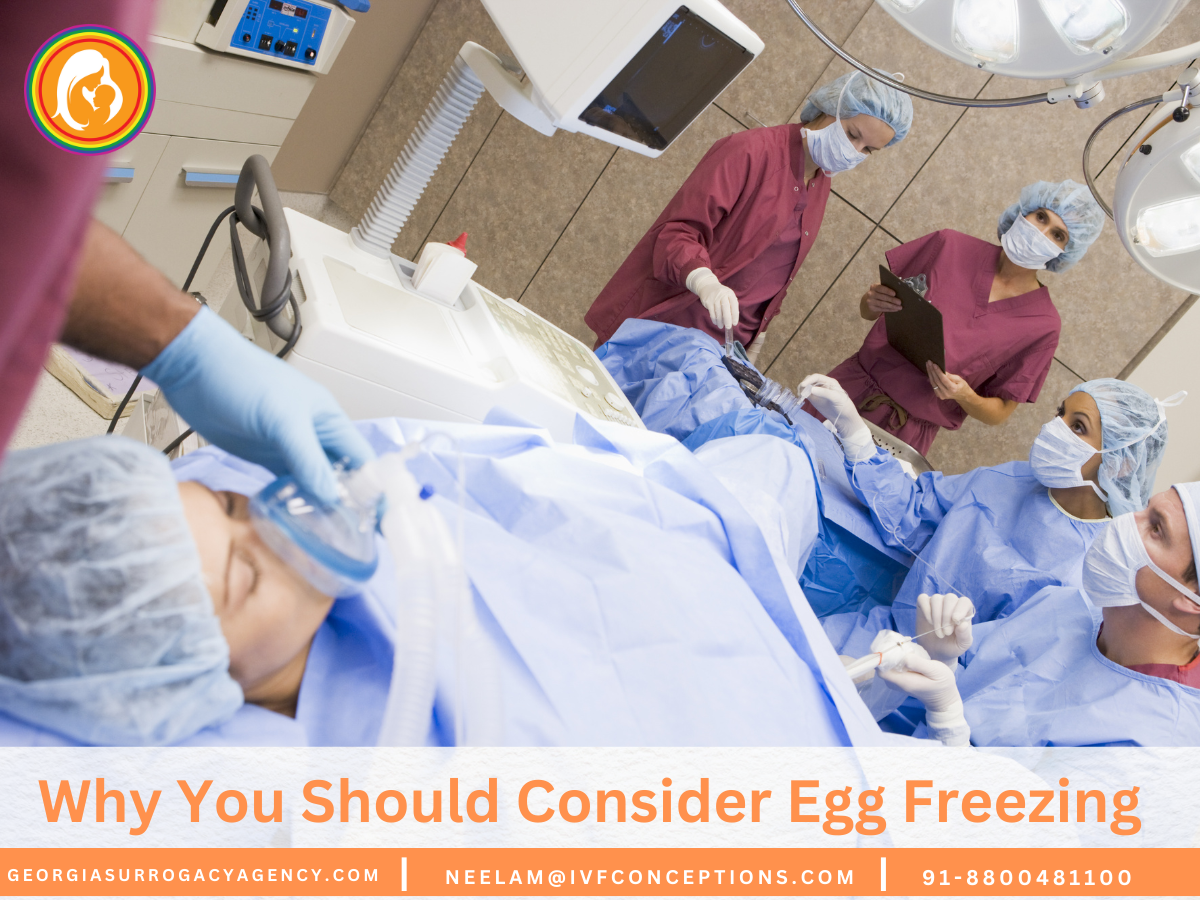
In an era where women are achieving professional goals, exploring life on their own terms, and choosing to delay motherhood, egg freezing has emerged as a powerful tool to take control of fertility. With increasing awareness and advancements in reproductive technology, more women are asking, “Should I freeze my eggs now to preserve my fertility for the future?”
This blog explores the benefits of egg freezing, who should consider it, how the process works, the costs involved, and key considerations before making the decision.
What is Egg Freezing?
Egg freezing, also known as oocyte cryopreservation, is a fertility preservation technique where a woman’s mature eggs are retrieved, frozen, and stored for future use. When the woman is ready to conceive, the eggs are thawed, fertilized through IVF, and implanted into the uterus.
Key Takeaways
- Egg freezing provides flexible family planning options
- Preserves high-quality eggs for future conception
- Supports personal and professional life goals
- Mitigates age-related fertility decline risks
- Offers medical intervention for specific health conditions
📞 Get in Touch for a Free Surrogacy Consultation
📱 +91-8800481100 (WhatsApp | LINE | Viber)
📧 neelam@ivfconceptions.com
🌐www.georgiasurrogacyagency.com
Understanding Egg Freezing: A Modern Fertility Solution
Reproductive health has seen big changes with new fertility treatments. Egg freezing is a key option for those wanting to plan their families later. It lets people control their reproductive future.
Egg freezing, or oocyte cryopreservation, is a new way to fight age-related fertility issues. It lets people save their eggs when they’re most fertile.
What is Oocyte Cryopreservation?
Oocyte cryopreservation is a highly effective way to preserve eggs. It involves:
- Getting eggs from a woman’s ovaries
- Freezing eggs very quickly
- Storing eggs for later use
The Science Behind Egg Freezing
The science utilizes a process called vitrification to preserve eggs. This method helps eggs survive and stay fertile in the future.
| Freezing Method | Egg Survival Rate | Fertilization Potential |
|---|---|---|
| Traditional Slow Freezing | 50-60% | Lower |
| Vitrification | 90-95% | Higher |
Benefits of Fertility Preservation
Egg freezing has many benefits for those thinking about family planning:
- It lets you have kids later than usual
- It gives you time for personal and career goals
- It helps avoid fertility problems that come with age
Learning about egg freezing helps people make smart choices about their reproductive health. It’s a way to plan for the future.
Why Should You Consider Egg Freezing?
Elective egg freezing is a big deal for career women. It lets them control their family planning and life timeline. This method is a game-changer for those who want to balance work and family.
Today’s women face tough choices between work and family. Egg freezing is a smart way to handle these decisions. It helps manage work and personal life goals.
Medical Reasons for Preservation
There are important medical reasons for choosing egg freezing:
- It protects fertility before medical treatments
- It helps avoid risks from genetic conditions
- It preserves eggs before reproductive health issues
Career and Personal Timing Considerations
Career planning and family planning go hand in hand. Many professionals freeze their eggs to:
- Keep their reproductive window open during career growth
- Lessen the rush to have kids
- Gain flexibility in life choices
Age-Related Fertility Decline Prevention
Biological clocks don’t align with career trajectories. Egg freezing lets women save high-quality eggs before 35. This way, they keep their reproductive options open.
By focusing on fertility preservation, career women can plan their reproductive journey. They can do so with confidence and peace of mind.
Who Should Consider Egg Freezing?
✅ Career-Focused Women
If you’re in your 20s or early 30s and want to delay childbearing to focus on education, career growth, or financial stability, egg freezing offers peace of mind.
✅ Women Without the Right Partner Yet
If you’re single or haven’t found the right partner but want to preserve the chance of biological motherhood later, egg freezing is an ideal solution.
✅ Women With a Family History of Early Menopause
If your mother or close relatives experienced early menopause or fertility decline, you may want to freeze your eggs in your 20s or early 30s.
✅ Cancer Patients or Women Undergoing Medical Treatments
Chemotherapy, radiation, or certain autoimmune diseases can damage fertility. Egg freezing before treatment preserves reproductive potential.
✅ Women with Low AMH or Early Ovarian Decline
If diagnosed with low Anti-Müllerian Hormone (AMH) levels or diminished ovarian reserve, freezing your remaining healthy eggs early is strongly advised.
The Ideal Age and Timing for Egg Freezing
Deciding when to freeze eggs is a big choice for women thinking about fertility treatments. It’s about finding the right balance between health, personal goals, and biology.
Experts say certain ages are better for egg freezing to get the best results. Women between 30 and 35 usually see the best outcomes.
- Peak fertility typically occurs between ages 20-30
- Egg quality begins to decline after age 35
- Advanced maternal age can impact egg viability
Looking into egg freezing timing shows us important things:
| Age Range | Egg Quality | Preservation Success Rate |
|---|---|---|
| 25-30 | Excellent | 60-70% |
| 31-35 | Very Good | 50-60% |
| 36-40 | Good | 30-40% |
Key considerations for optimal egg freezing timing include:
- Personal reproductive health assessment
- Future family planning goals
- Financial readiness for fertility treatments
Consulting with a reproductive specialist can help you determine the most appropriate timing for your unique situation.
Every woman is different, but knowing how age affects egg quality helps make better choices. It’s about taking control of your fertility future.
💡 Top Benefits of Egg Freezing
| Benefit | Why It Matters |
|---|---|
| Fertility Preservation | Secure healthy eggs at your most fertile age |
| Flexibility & Freedom | Have children when you’re emotionally and financially ready |
| Better IVF Success Later | Younger eggs = higher success rate, even after 35–40 |
| Reduced Pressure | Removes the “biological clock” stress from dating or life planning |
| Backup for Medical Risks | Protects fertility in case of unexpected illness |
The Complete Egg Freezing Process Explained
Egg freezing is a big choice for those wanting to save their fertility. The egg vitrification process is a top-notch way to plan a family. It gives women more control over their reproductive future.
Knowing about the IVF journey helps people make smart choices about their fertility. The egg freezing process has key steps to boost future fertility chances.
Hormone Stimulation and Monitoring
The first step in egg freezing is hormone stimulation. Patients take special fertility meds to:
- Make more eggs
- Get eggs to grow together
- Get ready for egg removal
Doctors keep a close eye on this part with:
- Ultrasound checks
- Tests of blood hormone levels
- Adjusting meds as needed
Egg Retrieval Procedure
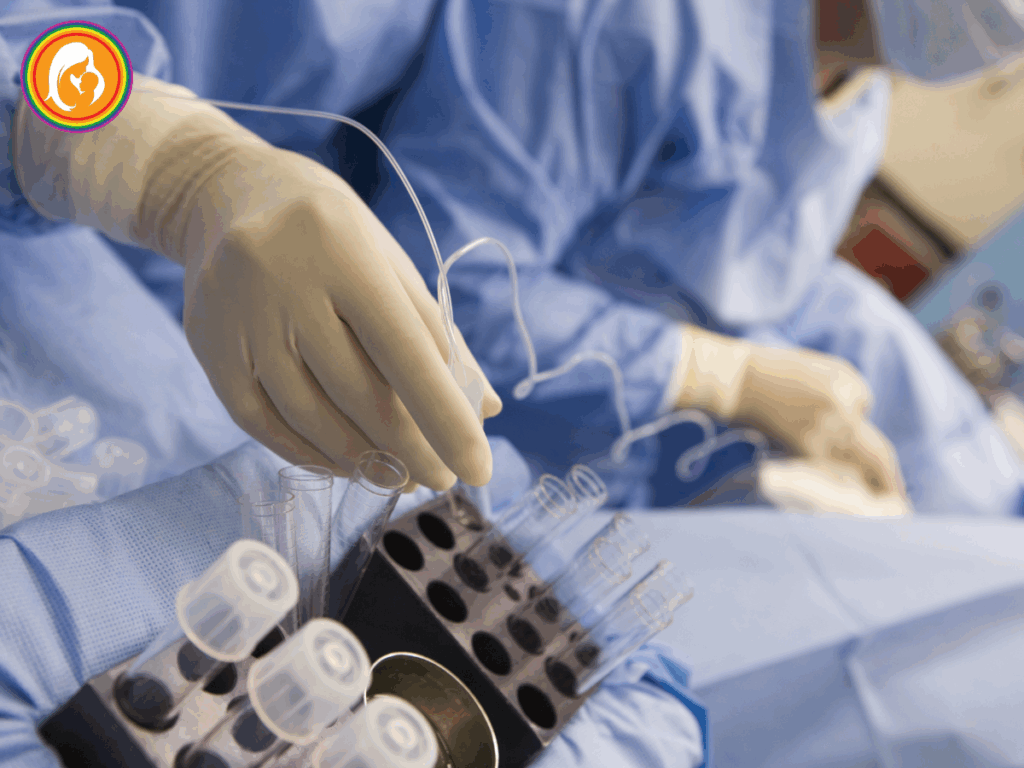
The egg retrieval is a small surgery done under sedation. Doctors use special ultrasound tools to carefully take out mature eggs from the ovaries.
Vitrification and Storage Methods
Vitrification is the latest way to keep eggs safe. It freezes eggs quickly to stop ice crystals from forming. This keeps the eggs safe for a long time.
| Preservation Stage | Key Details |
|---|---|
| Cooling Process | Rapid freezing at -196°C |
| Storage Location | Liquid nitrogen tanks |
| Potential Storage Duration | Up to 10 years |
Egg freezing lets people control their reproductive timeline. It’s a cutting-edge way to save fertility for the future.
Storage Duration and Legal Considerations
Understanding egg freezing laws is key to reproductive planning. New laws set clear rules for those wanting to save their fertility. This helps in making informed choices.
Starting in July 2022, you can keep frozen eggs for up to 55 years. This gives you more time for your career and peace of mind. Remember, you must renew your consent every 10 years to keep your eggs legally stored.
- Maximum storage duration: 55 years
- Consent renewal: Required every 10 years
- Ongoing communication with the storage facility is crucial
People with certain health issues find this long storage very helpful. It lets them plan their family and career goals over a long time.
Egg freezing is a strong choice for those wanting to control their fertility timeline.
But there’s more to it than just storing eggs. You need to keep your contact info up to date and check your storage agreement often. This keeps your eggs accessible to you.
Knowing these rules helps you plan your reproductive future. It balances your health needs with your dreams.
Understanding the Egg Freezing Costs
Exploring the costs of fertility treatments can be tough for those thinking about egg freezing. This process is a big investment in your reproductive health and future family plans.
Egg freezing is a detailed medical process with many financial aspects to consider. It’s important for potential patients to know all the costs involved in this method of preserving fertility.
Cost of Egg Freezing in India (2025)
| Service | Cost (INR) |
|---|---|
| Ovarian Stimulation & Monitoring | ₹40,000 – ₹70,000 |
| Egg Retrieval Procedure | ₹30,000 – ₹50,000 |
| Vitrification & Initial Freezing | ₹25,000 – ₹40,000 |
| Storage (per year) | ₹10,000 – ₹15,000 annually |
| Total Estimated Package | ₹90,000 – ₹1,60,000 |
✅ Many top IVF clinics in India now offer egg freezing packages with flexible storage plans and no-pressure future use.
Egg Freezing Expenses Breakdown

The total cost of egg freezing usually falls between $10,000 and $20,000. This price includes several key parts:
- Medical consultations and initial screenings
- Hormone medication
- Ultrasound monitoring
- Blood work and diagnostic tests
- Egg retrieval procedure
- Egg freezing and the vitrification process
- Annual storage fees
Insurance Coverage Options
Insurance for egg freezing varies a lot. Some employers and health plans now cover part or all of the costs, mainly for medical reasons.
| Coverage Type | Typical Percentage Covered | Additional Notes |
|---|---|---|
| Employer-Sponsored Plans | 20-50% | Varies by company policy |
| Medical Necessity Coverage | 50-80% | Requires documented medical condition |
| Standard Health Insurance | 0-10% | Limited fertility treatment coverage |
Available Financial Assistance Programs
There are several ways to manage egg freezing costs:
- Fertility clinic payment plans
- Medical credit cards
- Personal loans for fertility treatments
- Nonprofit grants for fertility preservation
It’s crucial for patients to look into and compare these financial options to find the best fit for their situation.
Success Rates and Fertility Outcomes
It’s important to know about egg freezing success rates if you’re thinking about preserving your fertility. The success depends on several things. These include the woman’s age when eggs are retrieved and how many eggs are frozen.
Egg freezing success rates change a lot with age. Younger women usually have better success rates because their eggs are of higher quality. Studies show that:
- Women under 35 have about a 40-50% chance of live birth per egg freezing cycle
- Success rates drop to around 20-30% for women aged 35-40
- Women over 40 have the lowest success rates, usually under 15%
When looking at egg freezing risks and considerations, remember not every frozen egg will work. The vitrification process has made egg survival better. But, some eggs might not make it through freezing and thawing.
Several things can affect egg freezing success:
- Age at egg retrieval
- Total number of eggs frozen
- Overall egg quality
- Reproductive health history
Prospective patients should talk to reproductive specialists to understand their chances of success with egg freezing.
Best Time to Freeze Your Eggs
The optimal time is between ages 25 and 35, when:
- Egg quality is highest
- Ovarian reserve is strong
- Fertility risks are low
Even though egg freezing after 35 is possible, more cycles may be needed to retrieve sufficient eggs.
Choosing the Right Clinic for Egg Freezing
When selecting a fertility clinic, ensure they offer:
- In-house vitrification lab with advanced freezing tech
- Embryologist with egg freezing expertise
- Transparent pricing and storage options
- High thaw-survival rates (above 90%)
Recommended IVF centers in India with proven egg freezing success include:
- Nova IVF
- Cloudnine Fertility
- Oasis Fertility
- Indira IVF
- Fortis Bloom IVF
- Jaslok-FertilTree IVF
Additional resources to read:
Comparing IVF and IVF with Egg Donor
Best countries for Egg donor IVF
Choosing Between Fresh Egg Donation and Frozen Egg Bank
Why Choose IVF with an Egg Donor?
Conclusion
Egg freezing is not just a medical decision — it’s a personal empowerment tool. Whether you’re focusing on your career, waiting for the right partner, or facing a medical challenge, freezing your eggs early gives you the freedom to build your family on your terms.
With the right timing, clinic, and support system, egg freezing can be a smart investment in your reproductive future.
💫 Why Intended Parents Choose Complete Surrogacy for a Safe, Smooth & Successful Surrogacy Journey:
🌍 Access to multiple surrogacy destinations with 15+ years of international experience
🏥 Partnerships with top-tier fertility clinics and agencies, backed by references from past clients
👩🦱 Diverse egg donor options: Asian, Caucasian, African, Oriental, and more
💸 Transparent and affordable pricing—direct payments with no extra agency fees
🔒 No hidden costs—all charges are agreed upon upfront
🤝 Dedicated case manager for personalized support
📲 Fast, honest, and clear communication throughout
📑 Full legal support for visas, documentation, and baby exit processes
🚚 Assistance with frozen sperm/embryo shipment logistics
FAQs for why you should consider egg freezing
What exactly is egg freezing?
Egg freezing, or oocyte cryopreservation, is a way to save a woman’s eggs for later use. It involves taking out eggs, freezing them, and storing them. This method helps women keep their eggs healthy for longer, giving them more time to plan their family.
Who should consider egg freezing?
Many people might want to consider egg freezing. This includes: • Women focused on their careers • Those facing medical treatments that could harm their fertility • People with health issues that affect their ability to have children • Women who aren’t ready to have kids yet • Those who want to delay starting a family • Patients who might face treatments that could reduce their fertility
At what age is the best time to freeze eggs?
The best age for egg freezing is usually between 27-35. At this time, eggs are typically of higher quality and have better chances of success. But, the right time can vary based on health, medical history, and personal plans.
How long can frozen eggs be stored?
Eggs can be stored for 10-15 years if kept properly. Many fertility centers offer long-term storage. They check the eggs regularly to keep them viable and healthy.
What is the egg freezing process like?
The egg freezing process includes several steps: • First, there’s a fertility consultation • Then, hormone treatment to produce more eggs • Next, regular checks with ultrasounds and blood tests • After that, the egg retrieval under mild sedation • The eggs are frozen using advanced techniques • They are stored in special facilities
What are the potential risks of egg freezing?
Egg freezing is mostly safe but comes with some risks: • Mild side effects from hormone treatment • Risk of ovarian hyperstimulation syndrome • Minor risks during egg retrieval • No guarantee of pregnancy • Psychological aspects of preserving fertility
How much does egg freezing cost?
Egg freezing costs between $10,000 to $15,000. This includes the initial consultation, hormone treatment, egg retrieval, and the first year of storage. Prices can change based on location, clinic, and medical needs. Some plans and clinics offer financial help.
What are the success rates of egg freezing?
Success rates vary based on age and number of eggs. Eggs frozen before 35 have a 70-80% survival rate after thawing. They have a 40-50% chance of leading to a successful pregnancy with IVF.
Can I have children after freezing my eggs?
Yes, you can have children with frozen eggs. The process involves thawing, fertilizing, and transferring the embryo. Success depends on egg quality, age, and reproductive health.

Highly esteemed, authoritative, and trusted professional with a 14-year of experience in international surrogacy. Advocate for Secure, Legal, and Affordable International Surrogacy.
Neelam Chhagani, MA (Counselling Psychology) and Holistic Infertility and Third-Party Reproduction Consultant.
Member of European Fertility Society, Best Surrogacy Blogger of 2020, with 300 dedicated blogs, and top contributor on Quora for Surrogacy.
Add Your Comment