
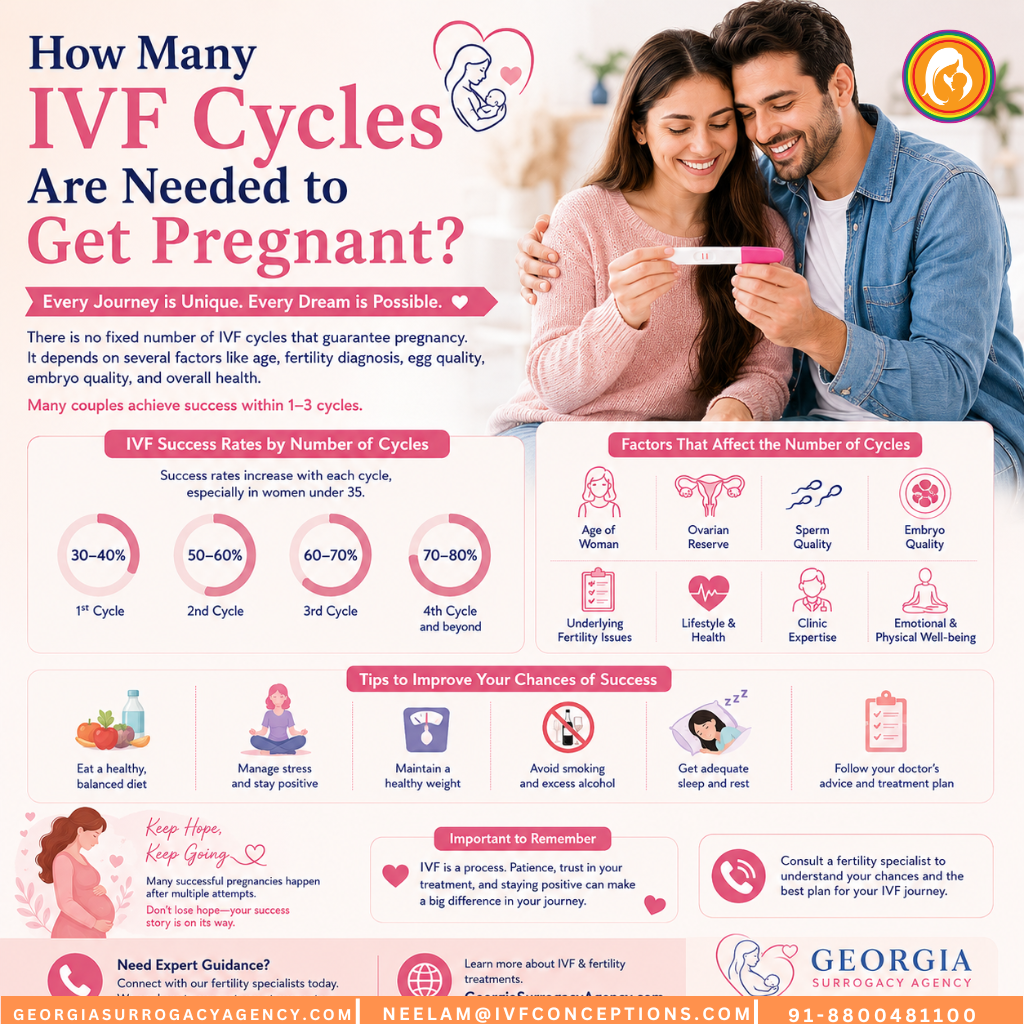
How Many IVF Cycles Are Needed to Get Pregnant? The number of IVF cycles needed to achieve pregnancy varies from person to person and depends on factors such as age, egg quality, sperm health, embryo quality, and underlying fertility conditions. While some couples conceive during their first IVF cycle, others may require two or more attempts to achieve a successful pregnancy. Fertility specialists often recommend evaluating cumulative success rates over multiple cycles rather than focusing on a single attempt. Understanding How Many IVF Cycles Are Needed to Get Pregnant can help couples set realistic expectations and plan their fertility journey more effectively.
| IVF Cycle Number | Typical Outcome | Notes |
|---|---|---|
| First IVF Cycle | Many couples achieve pregnancy | Success depends on age and fertility factors |
| Second IVF Cycle | Increased cumulative success rate | Additional embryos or protocol adjustments may help |
| Third IVF Cycle | Further improves overall chances | Often recommended before considering alternatives |
| 1–3 Cycles Total | Common range for many successful pregnancies | Cumulative success rates are higher than a single cycle |
| 4+ Cycles | May be needed in complex fertility cases | Requires personalized medical evaluation |
Factors That Influence IVF Success
| Factor | Impact on IVF Pregnancy Chances |
|---|---|
| Female Age | Younger women generally have higher success rates |
| Egg Quality | Healthy eggs improve embryo development |
| Sperm Quality | Better sperm quality supports fertilization |
| Embryo Quality | High-quality embryos increase implantation chances |
| Uterine Health | A healthy uterus supports pregnancy |
| Lifestyle Factors | Weight, smoking, alcohol, and stress can affect outcomes |
| Underlying Fertility Issues | Conditions like PCOS, endometriosis, or low ovarian reserve may influence results |
Although many patients become pregnant within the first one to three IVF cycles, every fertility journey is unique. A fertility specialist can assess individual circumstances and recommend the most appropriate treatment plan to maximize the chances of success..
The answer varies for each patient. Success depends on multiple factors including age, fertility diagnosis, egg quality, and overall health.
Understanding these factors helps you make informed decisions about your treatment path. Let’s explore what research shows about IVF cycle numbers and success rates.

Understanding IVF Success Rates by Cycle Number
Research shows that most women who achieve pregnancy through IVF do so within three to four cycles. However, success rates vary significantly based on individual circumstances.
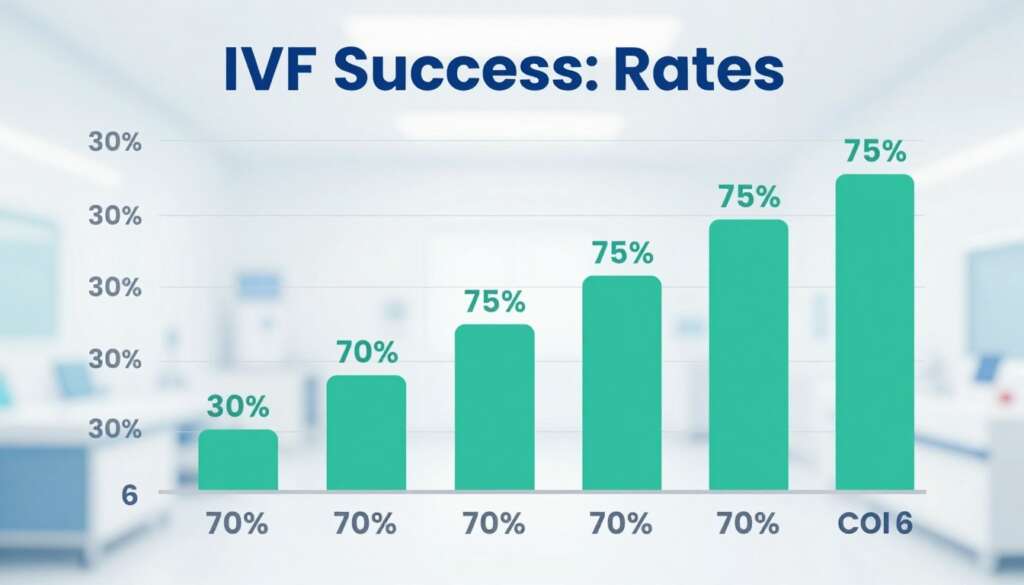
The first IVF cycle typically offers a 30 to 35 percent success rate for women under 35 years old. This rate represents the chance of achieving a live birth from a single embryo transfer.
Cumulative IVF success rates improve with additional cycles. After three IVF cycles, success rates reach approximately 65 to 75 percent for most patients.
Additional resource to read:
The Role of Mitochondria in Egg Health and IVF Success
IVF with Egg Donor in Georgia Country
Affordable IVF Costs in Mumbai, India.
First Cycle Success Factors
- Patient age at treatment start
- Ovarian reserve and egg quality
- Sperm quality and fertilization rates
- Embryo development quality
- Uterine receptivity conditions
Multiple Cycle Benefits
- Learning from previous attempts
- Protocol adjustments based on results
- Better embryo selection strategies
- Improved timing optimization
- Enhanced medication responses
Statistics indicate that 80 to 90 percent of patients who will succeed with IVF do so within four to six cycles. These numbers provide hope while setting realistic expectations.
Get Your Personalized IVF Success Assessment
Every fertility journey is unique. Our specialists provide customized treatment plans based on your specific situation, health history, and goals. Schedule your consultation today to understand your individual success probabilities.
How Age Affects the Number of IVF Cycles Needed
Age stands as the most significant factor influencing how many IVF cycles you might need. Fertility and egg quality decline naturally as women age.

Women under 35 often achieve success within two to three cycles. Their eggs typically have better quality, leading to higher fertilization and pregnancy rates.
Success Rates by Age Group
| Age Group | Average Cycles Needed | Success Rate Per Cycle | Cumulative Success (3 Cycles) |
| Under 35 years | 2-3 cycles | 35-40% | 70-80% |
| 35-37 years | 3-4 cycles | 28-32% | 60-70% |
| 38-40 years | 4-5 cycles | 20-25% | 45-55% |
| 41-42 years | 5-6 cycles | 12-18% | 30-40% |
| Over 42 years | 6+ cycles | 5-10% | 15-25% |
Women between 35 and 37 years need an average of three to four IVF cycles. Egg quality begins declining, but many patients still achieve success with persistence.
For women aged 38 to 40, four to five cycles typically represent the average. Success rates drop, but pregnancy remains achievable with proper treatment.
Patients over 40 may require five to six cycles or more. Some fertility specialists recommend considering donor eggs after multiple unsuccessful attempts in this age group.
Key Factors That Determine How Many IVF Cycles You Need
Beyond age, several medical and lifestyle factors influence the number of IVF cycles required for pregnancy success. Understanding these elements helps set realistic expectations.
Ovarian Reserve and Egg Quality
Your ovarian reserve determines how many eggs you can produce during stimulation. Women with diminished ovarian reserve often need more cycles to collect enough quality eggs.
Egg quality matters more than quantity. High-quality eggs lead to better embryo development and higher implantation rates, potentially reducing the cycles needed.
Embryo Quality and Development
Embryo quality significantly impacts IVF success. High-grade embryos have better chances of implantation, while poor-quality embryos may require multiple transfer attempts.
Factors Improving Embryo Quality
- Optimal hormonal environment
- Advanced laboratory conditions
- Proper embryo culture techniques
- Genetic screening (PGT-A)
- Sperm quality optimization
- Maternal health optimization
Conditions Requiring More Cycles
- Endometriosis affecting egg quality
- Polycystic ovary syndrome (PCOS)
- Male factor infertility issues
- Uterine abnormalities or fibroids
- Immunological factors
- Unexplained infertility cases
Underlying Fertility Diagnoses
Your specific fertility diagnosis affects treatment outcomes. Some conditions respond better to IVF treatment than others.
Tubal factor infertility often shows excellent IVF results. Patients may succeed within one to two cycles because the treatment bypasses the blocked tubes.
Male factor infertility cases benefit from ICSI technology. Success rates depend on sperm quality, but many couples achieve pregnancy within three cycles.

Endometriosis cases vary widely. Mild endometriosis may respond well, while severe cases often require four to five cycles or more.
LIFESTYLE AND HEALTH FACTORS
Your overall health influences IVF outcomes. Maintaining healthy body weight improves success rates and may reduce required cycles.
Smoking significantly decreases IVF success. Women who smoke often need one to two additional cycles compared to non-smokers.
Stress management supports treatment success. While stress alone doesn’t cause infertility, managing it optimally supports your body’s response to treatment.
Optimize Your IVF Success with Personalized Care
Our comprehensive approach addresses all factors affecting your fertility. From medical optimization to lifestyle guidance, we help maximize your chances of success in fewer cycles. Contact us for a detailed evaluation.
What Happens During Each IVF Cycle
Understanding the IVF cycle process helps you prepare mentally and physically for treatment. Each cycle follows specific steps designed to maximize success chances.
Ovarian Stimulation Phase
The cycle begins with ovarian stimulation. You receive hormone injections for 8 to 14 days to encourage multiple eggs to mature simultaneously.
Regular monitoring through blood tests and ultrasounds tracks follicle development. Your fertility specialist adjusts medication dosages based on your response.
EGG RETRIEVAL PROCEDURE
Egg retrieval occurs when follicles reach optimal size. This minor surgical procedure takes about 20 to 30 minutes under light sedation.
The number of eggs retrieved varies. Women may collect anywhere from 5 to 25 eggs, depending on age and ovarian response.
- Ovarian stimulation with hormone medications (8-14 days)
- Monitoring follicle growth through ultrasounds and blood work
- Trigger shot administration 36 hours before retrieval
- Egg retrieval procedure under sedation (20-30 minutes)
- Sperm collection or thawing (same day as retrieval)
- Fertilization in laboratory (conventional IVF or ICSI)
- Embryo culture and development monitoring (3-6 days)
- Embryo transfer procedure (5-10 minutes, no anesthesia)
- Two-week wait period before pregnancy test
- Pregnancy blood test (beta hCG) 10-14 days after transfer
Fertilization and Embryo Development
Eggs undergo fertilization on retrieval day. Embryologists combine eggs with sperm using standard IVF or ICSI methods.
Embryos develop in controlled laboratory conditions for three to six days. Daily monitoring assesses quality and development rates.
EMBRYO TRANSFER
Transfer occurs on day three or day five after retrieval. Day five blastocyst transfers often show higher success rates.
The procedure takes only five to ten minutes. No anesthesia is needed, though some patients experience mild cramping.
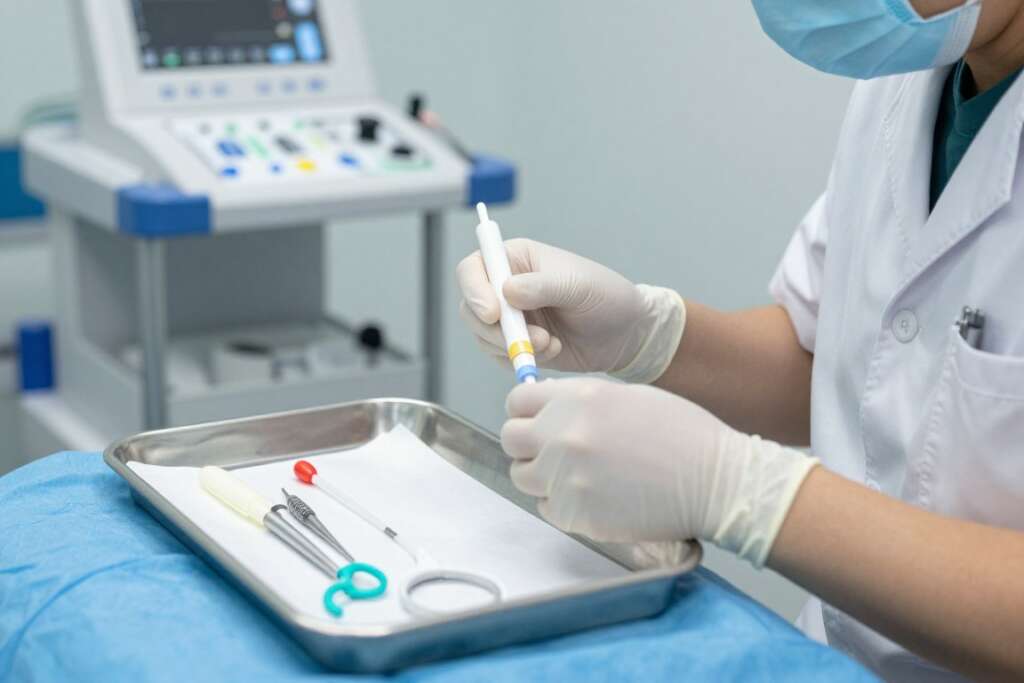
After transfer, you wait approximately two weeks before taking a pregnancy test. This waiting period challenges many patients emotionally.
Learning Between Cycles
Each cycle provides valuable information. Your doctor analyzes results to optimize future attempts through protocol adjustments.
Changes might include different medication combinations, altered dosages, extended embryo culture time, or genetic testing implementation.
Strategies to Improve Success Between IVF Cycles
Taking strategic steps between cycles can enhance your chances of success. Many women use this time to optimize their health and address potential issues.

Medical Optimization Strategies
Your fertility specialist may recommend additional testing after unsuccessful cycles. These tests identify previously undetected issues affecting implantation.
Some patients benefit from hysteroscopy to examine the uterine cavity. This procedure can identify and correct structural problems.
Physical Health Optimization
- Achieve healthy BMI range (19-25)
- Start prenatal vitamins with folate
- Add CoQ10 for egg quality
- Ensure vitamin D sufficiency
- Take omega-3 fatty acids
- Consider DHEA if recommended
Lifestyle Modifications
- Quit smoking completely
- Limit alcohol consumption
- Reduce caffeine intake
- Practice stress reduction techniques
- Get adequate sleep (7-9 hours)
- Exercise moderately (not excessively)
Emotional and Mental Health Support
IVF treatment creates emotional challenges. Seeking support through counseling, support groups, or therapy helps many couples cope with the process.
Mind-body techniques like meditation, yoga, or acupuncture may support treatment outcomes. While research shows mixed results, these practices help manage stress.
Protocol Adjustments and Advanced Techniques
Your doctor may suggest protocol changes for subsequent cycles. Different stimulation approaches work better for different patients.
Preimplantation genetic testing (PGT-A) screens embryos for chromosomal abnormalities. This testing can improve success rates, especially for older women.
Some patients benefit from freeze-all cycles. This approach allows time for optimal endometrial preparation before transfer.
When to Consider Alternative Approaches or Donor Options
After multiple IVF cycles without success, you may need to explore alternative paths to parenthood. This decision point varies for each couple.

Evaluating Your Options After Multiple Cycles
Most fertility specialists recommend reassessing your approach after three to four unsuccessful cycles. This evaluation considers your age, diagnosis, and emotional well-being.
Some patients achieve success after six or more cycles. However, diminishing returns and emotional toll require honest conversations about continuing.
DONOR EGG IVF
Donor eggs offer excellent success rates, often reaching 60 to 75 percent per cycle. This option particularly benefits women over 42 or those with poor egg quality.
Many couples find peace and success through egg donation. Success rates depend more on donor age than recipient age.
Donor Embryo and Surrogacy Options
Embryo donation provides another pathway to parenthood. Donated embryos from successful IVF cycles offer lower costs than fresh IVF cycles.
Surrogacy becomes necessary when pregnancy carries medical risks or recurrent implantation failure occurs despite good embryos. Gestational surrogacy combined with your own or donor eggs creates various family-building options.
Signs to Consider Alternatives
- Multiple failed cycles (4-6 attempts)
- Poor egg or embryo quality consistently
- Advanced maternal age (over 43-44)
- Severe diminished ovarian reserve
- Recurrent implantation failure
- Emotional or financial exhaustion
Alternative Success Rates
- Donor eggs: 60-75% per cycle
- Donor embryos: 40-55% per cycle
- Surrogacy with own eggs: varies by age
- Surrogacy with donor eggs: 65-75%
- Adoption: 100% family building outcome
- Child-free living: valid choice
Adoption and Child-Free Living
Adoption offers a beautiful path to parenthood for many families. Domestic and international options provide different timelines and processes.
Some couples ultimately choose child-free living. This decision deserves respect and can lead to fulfilling lives focused on other meaningful pursuits.
Explore All Your Family-Building Options
Whether you’re starting your first cycle or considering alternatives after multiple attempts, our team provides compassionate guidance. We offer comprehensive fertility services including donor programs and surrogacy coordination. Let’s discuss the best path forward for your unique situation.
Financial Planning for Multiple IVF Cycles
IVF treatment represents a significant financial investment. Planning for multiple cycles helps reduce stress and allows you to focus on treatment.

Understanding IVF Costs
Each IVF cycle costs vary by location and clinic. The United States sees average costs between $12,000 to $15,000 per cycle excluding medications.
Medication expenses add $3,000 to $5,000 per cycle. Costs increase with additional procedures like ICSI, PGT-A, or assisted hatching.
Insurance Coverage and Payment Options
Insurance coverage for IVF varies significantly. Some states mandate fertility coverage, while others provide no coverage at all.
Many clinics offer multi-cycle packages at discounted rates. These programs can reduce per-cycle costs by 15 to 30 percent.
| Cost Component | Single Cycle | Three-Cycle Package | Potential Savings |
| Base IVF procedure | $12,000-15,000 | $30,000-38,000 | $6,000-7,000 |
| Medications per cycle | $3,000-5,000 | $8,000-13,000 | $1,000-2,000 |
| Monitoring and labs | $1,500-2,500 | $3,500-6,000 | $1,000-1,500 |
| Additional procedures (ICSI, PGT-A) | $2,000-5,000 | $5,000-12,000 | $1,000-3,000 |
| Total estimated cost | $18,500-27,500 | $46,500-69,000 | $9,000-13,500 |
Financial Assistance Programs
Several organizations offer grants for fertility treatment. These programs often focus on specific diagnoses, military families, or financial hardship cases.
Fertility financing companies provide loans specifically for IVF treatment. Interest rates and terms vary, so comparing options makes sense.
Some patients consider treatment abroad. Countries like India, Thailand, or Mexico offer significantly lower costs while maintaining quality care.
Emotional Support Throughout Multiple IVF Cycles
The emotional journey of IVF often challenges couples more than physical aspects. Building strong support systems helps you navigate this process.

Common Emotional Challenges
Failed cycles trigger grief similar to other losses. Allowing yourself to process these feelings proves essential for emotional health.
Many patients experience isolation during treatment. Friends and family without infertility experience may struggle to provide adequate support.
Self-Care Strategies
- Practice mindfulness meditation
- Maintain regular exercise routine
- Set boundaries with others
- Journal your feelings
- Engage in enjoyable activities
- Take breaks between cycles
Support Resources
- Professional counseling services
- Online fertility support groups
- Local in-person support groups
- Fertility coaching programs
- Partner communication workshops
- Mind-body fertility programs
Maintaining Relationship Health
IVF treatment stresses even strong relationships. Scheduled date nights and activities unrelated to fertility help maintain connection with your partner.
Open communication about feelings, fears, and needs strengthens relationships. Consider couples counseling if communication becomes difficult.
When to Seek Professional Help
Persistent depression, anxiety, or thoughts of self-harm require immediate professional attention. Many fertility clinics offer mental health referrals.
Therapy specifically focused on infertility helps many patients. Therapists trained in reproductive issues understand unique challenges you face.
CHOOSING THE RIGHT FERTILITY CLINIC FOR MULTIPLE CYCLES

Factors to Consider When Selecting a Clinic
Success rates matter, but interpreting them correctly proves essential. Look for clinics reporting to national databases like SART in the United States.
Consider the clinic’s experience with cases similar to yours. Some clinics specialize in specific age groups or diagnoses.
Essential Clinic Features
- Board-certified reproductive endocrinologists
- On-site embryology laboratory
- Comprehensive diagnostic testing
- Multiple treatment protocol options
- Genetic testing capabilities (PGT-A)
- Experienced nursing and support staff
Support Services to Seek
- Mental health counseling availability
- Financial counseling and payment plans
- Donor program coordination
- Patient education programs
- 24/7 emergency contact availability
- Multilingual staff if needed
Red Flags to Avoid
- Unrealistic success rate promises
- Pressure to start immediately
- Limited diagnostic testing offered
- No individualized treatment plans
- Poor communication or responsiveness
- Lack of transparency about costs
Questions to Ask During Consultations
Ask about the clinic’s success rates for your specific age and diagnosis. Request information about live birth rates, not just pregnancy rates.
Inquire about their approach to failed cycles. How do they adjust protocols? What additional testing do they recommend?
Understand their embryology laboratory standards. Ask about embryologist experience, laboratory accreditation, and quality control measures.
International Treatment Considerations
Medical tourism for IVF grows increasingly popular. Countries like India offer high-quality care at significantly reduced costs.
International treatment requires careful research. Verify clinic credentials, read patient reviews, and understand legal implications.
Language barriers, travel logistics, and follow-up care need consideration. Some patients combine treatment with extended stays for optimal outcomes.
Experience World-Class IVF Care with IVF Conceptions
Our international fertility services combine advanced medical expertise with personalized, compassionate care. We offer comprehensive IVF treatment, donor programs, and surrogacy coordination at competitive rates. Our multilingual team guides you through every step, from initial consultation to bringing your baby home.
Moving Forward with Confidence in Your IVF Journey
Understanding how many IVF cycles you might need helps set realistic expectations while maintaining hope. Most patients who achieve success do so within three to six cycles.

Your individual journey depends on numerous factors including age, diagnosis, egg quality, and overall health. Working with experienced fertility specialists who adjust approaches based on results maximizes your success chances.
Remember that persistence often leads to success. Many families celebrating their children today faced multiple cycles before achieving pregnancy.
Financial planning, emotional support, and lifestyle optimization all contribute to better outcomes. Taking care of your mental health proves just as important as physical preparation.
Whether you succeed in one cycle or need several attempts, each step brings you closer to your goal. Consider all available options including protocol adjustments, genetic testing, or alternative paths like donor programs.
The path to parenthood through IVF requires courage, patience, and hope. With proper support, medical expertise, and determination, most couples ultimately build the families they dream of creating.
Start Your IVF Journey with Expert Guidance Today
You don’t have to navigate fertility treatment alone. Our experienced team at IVF Conceptions provides comprehensive support throughout your entire journey.

Highly esteemed, authoritative, and trusted professional with a 14-year of experience in international surrogacy. Advocate for Secure, Legal, and Affordable International Surrogacy.
Neelam Chhagani, MA (Counselling Psychology) and Holistic Infertility and Third-Party Reproduction Consultant.
Member of European Fertility Society, Best Surrogacy Blogger of 2020, with 300 dedicated blogs, and top contributor on Quora for Surrogacy.
Add Your Comment