

The key difference between gay surrogacy vs hetero couple surrogacy lies in legal accessibility and biological connection—hetero couples can often use their gametes, while gay couples may need both an egg donor and a surrogate, with added legal and ethical considerations depending on the country.
Surrogacy is a life-changing journey for all types of families. But when it comes to gay surrogacy vs hetero couple surrogacy, the path can look quite different—legally, medically, emotionally, and financially. This comprehensive guide explores those differences so you can make informed decisions based on your identity, goals, and location.
Quick Comparison: Gay Surrogacy vs Hetero Couple Surrogacy
| Feature | Hetero Couple Surrogacy | Gay Surrogacy |
|---|---|---|
| Gamete Requirement | May use own eggs and sperm | Needs egg donor and sperm from one partner |
| Legal Access | Legal in more countries | Restricted in many countries |
| Cost | Generally lower | Higher due to egg donor + legal challenges |
| Embryo Source | Often from the couple | From donor + one intended father |
| Parental Rights Complexity | Usually straightforward | More complex, esp. in non-LGBTQ+ friendly laws |
| Popular Destinations | Georgia, Ukraine, Mexico, USA | Mexico, Colombia, USA, Canada |
Key Takeaways
- Same-sex and heterosexual parents share medical steps but face distinct legal challenges
- Early legal planning prevents delays in securing parental rights post-birth
- Medical teams collaborate with lawyers to streamline embryo transfers and contracts
- Surrogates play a critical role in setting emotional boundaries and expectations
- State laws impact everything from compensation agreements to birth certificates
- Real-life examples show successful collaboration between parents and surrogates
📞 Get in Touch for a Free Surrogacy Consultation
📱 +91-8800481100 (WhatsApp | LINE | Viber)
📧 neelam@ivfconceptions.com
🌐www.georgiasurrogacyagency.com
Navigating the Gay Surrogacy vs Hetero Couple Surrogacy Journey
Every family-building pathway begins with three critical phases: consultation, matching, and medical coordination. For same-sex partners like Doug and Sanjay, their 2020 journey involved navigating frozen embryo transfers amid COVID-19 travel restrictions. “Our agency helped us pivot when borders closed,” they shared. “Video calls replaced in-person meetings, but trust grew through weekly updates.”
Key differences emerge early in the process:
- Same-sex partners often require donor eggs or sperm coordination
- Heterosexual couples may pursue surrogacy due to medical complexities
- Legal parentage establishment varies by state and relationship status
Intended parents first meet with reproductive endocrinologists to review fertility options. Agencies then match them with carriers who align with their communication preferences. One Texas-based mother recalls: “Our surrogate sent ultrasound videos with voice notes – it made the wait bearable.”
Legal hurdles prove particularly crucial for male couples. Doug and Sanjay needed two separate court hearings to secure parental rights in their home state. Their attorney notes: “Pre-birth orders require meticulous documentation – one missing form delayed their case by six weeks.”
Three actionable strategies streamline the process:
- Verify agency accreditation through ASRM or SART
- Clarify Surrogate compensation structures with legal counsel before matching
- Schedule monthly check-ins with medical and legal teams
While timelines vary, most journeys take 14-22 months from initial consultation to delivery. As clinics now offer hybrid models (virtual consults + local monitoring), geographical barriers continue to dissolve. “The right team turns obstacles into stepping stones,” concludes a New York-based case manager.
Legal Landscape: Where It’s Legal and Where It’s Not
Countries Friendly to Hetero Surrogacy
- Georgia (Only for married heterosexual couples)
- Ukraine (Suspended due to war, but previously open to hetero couples)
- India (Only altruistic and for Indian heterosexual couples)
- Russia, Armenia (some allow only hetero surrogacy)
Countries Friendly to Gay Surrogacy
- Mexico (Certain states allow gay surrogacy, including Tabasco & Sinaloa)
- Colombia (Open to all family types)
- United States (State-wise surrogacy laws; California is LGBT-friendly)
- Canada (Altruistic surrogacy allowed for all family types)
⚖️ Important Note: Some countries legally restrict commercial surrogacy to heterosexual married couples only, excluding gay or unmarried couples. Always consult a surrogacy lawyer in your preferred destination.
Heterosexual Couple Surrogacy: Unique Considerations
For many partners pursuing parenthood through surrogacy, genetic connections and medical compatibility become central concerns. Unlike same-sex parents, heterosexual couples often navigate complex decisions about using their gametes versus donor material. This requires careful coordination between fertility specialists and agencies to balance biological possibilities with practical realities.
Medical and Genetic Factors
When selecting egg donors, clinics prioritize genetic health markers and family medical history. Reputable programs like Shady Grove Fertility conduct three-tiered evaluations:
- Chromosomal analysis to rule out inherited conditions
- Carrier screening for 500+ genetic disorders
- Psychological assessments ensuring donor readiness
Heterosexual couples using their own eggs face different protocols than those relying on donors. A 2023 study in Fertility and Sterility showed 78% of shared genetic cases required additional embryo testing compared to 42% of donor egg scenarios.
| Factor | Own Eggs | Donor Eggs |
|---|---|---|
| Genetic Risk | Parental history review | Donor panel testing |
| Screening Time | 6-8 weeks | 3-4 weeks |
| Success Rate | 63% implantation | 71% implantation |
Assisted reproduction techniques like PGT-A (preimplantation genetic testing) help ensure viable pregnancies. California Fertility Partners reports 94% of their heterosexual clients using donor eggs achieve live births within two transfer cycles. As one genetic counselor notes: “Thorough evaluations transform uncertainty into actionable plans.”
Gay Couple Surrogacy: Unique Benefits and Challenges
Modern family-building pathways offer same-sex partners unprecedented access to parenthood, yet require careful navigation of specialized systems. Inclusive programs provide tailored resources while addressing distinct legal needs that differ from other family structures.

Specialized Support Networks
Leading agencies now design programs addressing the unique needs of same-sex partners. Doug and Sanjay’s experience highlights three advantages:
- LGBTQ+ affinity groups connecting intended parents with shared experiences
- Donor matching systems prioritizing cultural sensitivity
- Legal teams well-versed in non-traditional parentage cases
Their agency provided monthly virtual meetups with other same-sex couples, fostering community during medical procedures. “Knowing others faced similar paperwork battles kept us motivated,” Doug recalls.
| Program Feature | Benefit | Challenge Addressed |
|---|---|---|
| Dedicated Case Managers | 24/7 availability | Time zone differences |
| Pre-Screened Donor Banks | Faster matching | Genetic compatibility |
| State Law Workshops | Clarified rights | Varying regulations |
Legal Navigation Strategies
Same-sex partners often face additional documentation requirements. Sanjay notes: “We needed separate affidavits confirming our relationship status in three states.” Their team implemented these safeguards:
- Early verification of birth certificate protocols
- Multi-state parentage order filings
- Contingency plans for cross-border deliveries
Reproductive attorneys emphasize proactive measures. Rights protection often involves coordinating with egg donors, gestational carriers, and adoption agencies simultaneously. First-time intended parents benefit from agencies offering bundled legal-medical packages.
While challenges exist, structured support transforms obstacles into milestones. As more same-sex couples build families through surrogacy, programs evolve to meet their needs with greater precision.
Parental Rights and Citizenship Issues
Hetero Couple Surrogacy
- Parentage is usually easier to establish when both gametes are used
- Fewer legal hurdles in many jurisdictions
- Easier birth certificate issuance in most countries
Gay Surrogacy
- Often requires second-parent adoption or court orders
- Citizenship processes can be more complex, especially if the surrogate or egg donor is from another country
- Must secure parentage for both fathers (one may not be the biological parent)
Emotional and Social Considerations
Gay Couples
- May face an extra emotional burden when dealing with societal bias or unfamiliar legal systems
- Require stronger emotional and legal support
- Often seek LGBTQ+-friendly surrogacy professionals and fertility clinics
Hetero Couples
- May still struggle emotionally, especially if fertility issues are involved
- Often have more societal acceptance in traditional surrogacy destinations

Cost Differences: Gay Surrogacy Cost vs Hetero Surrogacy Cost
Understanding surrogacy costs helps intended parents prepare for one of life’s most meaningful investments. The average journey ranges from $120,000 to $200,000, according to American Surrogacy data. This includes agency coordination, medical procedures, and legal safeguards that protect all parties.
| Cost Component | Hetero Couple Surrogacy | Gay Surrogacy (with Egg Donor) |
|---|---|---|
| Surrogate Compensation | $40,000–$55,000 | $40,000–$55,000 |
| Egg Donation | Optional ($0–$8,000) | Required ($10,000–$20,000) |
| Legal Fees | $5,000–$7,000 | $7,000–$10,000 |
| IVF & Medical | $20,000–$30,000 | $25,000–$35,000 |
| Agency/Coordination | $10,000–$25,000 | $10,000–$25,000 |
| Estimated Total | $70,000–$120,000 | $90,000–$150,000 |
Best Countries for Gay Surrogacy in 2025
| Country | Legal Status | Cost Range (USD) | Pros |
|---|---|---|---|
| Mexico | Legal in states | $60,000–$90,000 | Affordable, open to gay couples |
| Colombia | Legal | $65,000–$95,000 | LGBTQ+-friendly legal environment |
| USA | Legal (state-wise) | $100,000–$150,000 | Strong legal protections, the best support |
| Canada | Altruistic only | $60,000–$80,000 | Ethical approach, limited availability |
Which Option Is Right for You?
| Factor | Choose Hetero Surrogacy If… | Choose Gay Surrogacy If… |
|---|---|---|
| Legal Access | You qualify in countries like Georgia | You want LGBTQ+ acceptance and support |
| Biological Connection | You can use both partners’ gametes | You want to share parenthood as a couple |
| Budget | You have a moderate budget | You’re ready for a higher investment |
| Support Network | You prefer to self-manage | You need LGBTQ+-friendly professionals |
Additional Resources to read:
Understanding Gay Surrogacy Costs (2025)
Gay Surrogacy in the USA (2025)
How much does surrogacy cost in Mexico?
Conclusion
Creating families through collaborative partnerships requires meticulous planning and compassionate guidance. From initial consultations to securing birth certificates, every step blends medical precision with legal foresight. While same-sex partners often navigate multi-state parentage laws, heterosexual couples may focus on genetic compatibility – both paths demand tailored support systems.
Ready to take the next step? Connect with accredited surrogacy agencies today to map your path toward building a loving family.
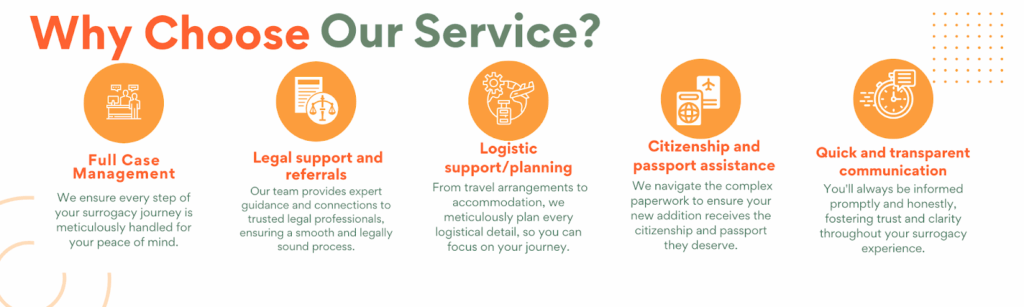
💫 Why Intended Parents Choose Complete Surrogacy for a Safe, Smooth & Successful Surrogacy Journey:
🌍 Access to multiple surrogacy destinations with 15+ years of international experience
🏥 Partnerships with top-tier fertility clinics and agencies, backed by references from past clients
👩🦱 Diverse egg donor options: Asian, Caucasian, African, Oriental, and more
💸 Transparent and affordable pricing—direct payments with no extra agency fees
🔒 No hidden costs—all charges are agreed upon upfront
🤝 Dedicated case manager for personalized support
📲 Fast, honest, and clear communication throughout
📑 Full legal support for visas, documentation, and baby exit processes
🚚 Assistance with frozen sperm/embryo shipment logistics
FAQs for Gay Surrogacy vs hetero couple surrogacy Journey
Is surrogacy legal for gay couples everywhere?
No. Many countries allow surrogacy only for married heterosexual couples. Always research country-specific laws.
Do gay couples need both an egg donor and a surrogate?
Yes. Since neither partner provides eggs, an egg donor is always needed along with a gestational surrogate.
Can both gay partners be legal parents?
Yes, but it usually requires legal action like second-parent adoption or a pre-birth order, depending on the country.

Highly esteemed, authoritative, and trusted professional with a 14-year of experience in international surrogacy. Advocate for Secure, Legal, and Affordable International Surrogacy.
Neelam Chhagani, MA (Counselling Psychology) and Holistic Infertility and Third-Party Reproduction Consultant.
Member of European Fertility Society, Best Surrogacy Blogger of 2020, with 300 dedicated blogs, and top contributor on Quora for Surrogacy.
Add Your Comment