

Gay Surrogacy Guide 2026: Costs, Laws & Best Countries for Parenthood
Surrogacy has increasingly become a viable path to parenthood for gay couples, offering a unique opportunity to build a family with a biological connection. This guide explores the key aspects of surrogacy for gay couples, including the types of surrogacy, the process, legal considerations, costs, and support resources. Whether considering surrogacy to become a parent or seeking detailed information, this article provides a definitive resource for your journey.
- Book an online appointment: Get a free online consultation.
- Call\W:+91-8800481100 Email:neelam@ivfconceptions.com
Surrogacy has gained recognition as a significant option for gay couples wishing to become parents. This process involves a surrogate mother who carries and gives birth to a child on behalf of the intended parents. Surrogacy allows gay males to have a biological link to their child and experience the joys of parenthood.
The acceptance and legal recognition of surrogacy for same-sex couples have improved in recent years, with many jurisdictions implementing supportive laws and regulations. This comprehensive guide covers the essentials of surrogacy for gay couples, including the process, legal aspects, costs, and available resources.
Additional Guides for Surrogacy in Georgia
How to find surrogate mother in Argentina
How to find surrogate mother in Georgia
Understanding Surrogacy for Gay Couples
Types of Surrogacy
Surrogacy for gay couples generally falls into two main categories:
-
-
- Involves the surrogate being inseminated with sperm from the intended father or a donor.
- The surrogate is both the biological and gestational mother.
-
-
- Utilizes in vitro fertilization (IVF) to create embryos from the intended parents’ or donors’ gametes.
- The embryos are transferred to the surrogate, who has no genetic connection to the child.
Table 1: Comparison of Surrogacy Types
| Aspect | Traditional Surrogacy | Gestational Surrogacy |
| Genetic Connection | Surrogate is genetically related to the child | Surrogate is not genetically related to the child |
| Insemination Method | Artificial insemination with intended father’s sperm or donor sperm | IVF with embryos created from intended parents’ or donors’ gametes |
| Legal Complexity | Generally more complex due to the surrogate’s genetic link | Typically simpler as surrogate has no genetic link |
The Role of Assisted Reproductive Technology (ART)

ART, particularly IVF, is crucial in gestational surrogacy. The process involves:
- Egg Retrieval: Eggs are collected from the intended mother or an egg donor.
- Fertilization: Eggs are fertilized with sperm in a laboratory.
- Embryo Transfer: Resulting embryos are implanted in the surrogate’s uterus.
The Surrogacy Process for Gay Couples
- Finding a Surrogacy Agency:
-
-
- Choose a reputable agency specializing in surrogacy for gay couples.
- The agency helps navigate legal and logistical aspects.
-
- Selecting a Surrogate:
-
-
- Options include working with a known surrogate or finding one through the agency.
- Ensure medical and emotional readiness of the surrogate.
-
- Choosing an Egg Donor:
-
-
- Engage with an egg donor agency if required.
-
- Medical Assessments:
-
-
- Conduct thorough screenings for all parties.
- IVF and other treatments are utilized to create and transfer embryos.
-
- Legal and Emotional Support:
-
- Draft comprehensive legal agreements.
- Seek counseling and emotional support to address any challenges.
Table : Surrogacy Process Timeline
| Step | Description | Duration |
| Agency Selection | Choosing a surrogacy agency | 1-3 months |
| Surrogate Matching | Finding and agreeing with a surrogate | 2-6 months |
| Medical Procedures | IVF and embryo transfer | 1-3 months |
| Legal Agreements | Drafting and finalizing contracts | 1-2 months |
| Pregnancy and Birth | Surrogate carries the pregnancy and delivers | 9 months |
The Surrogacy Process for Gay Couples
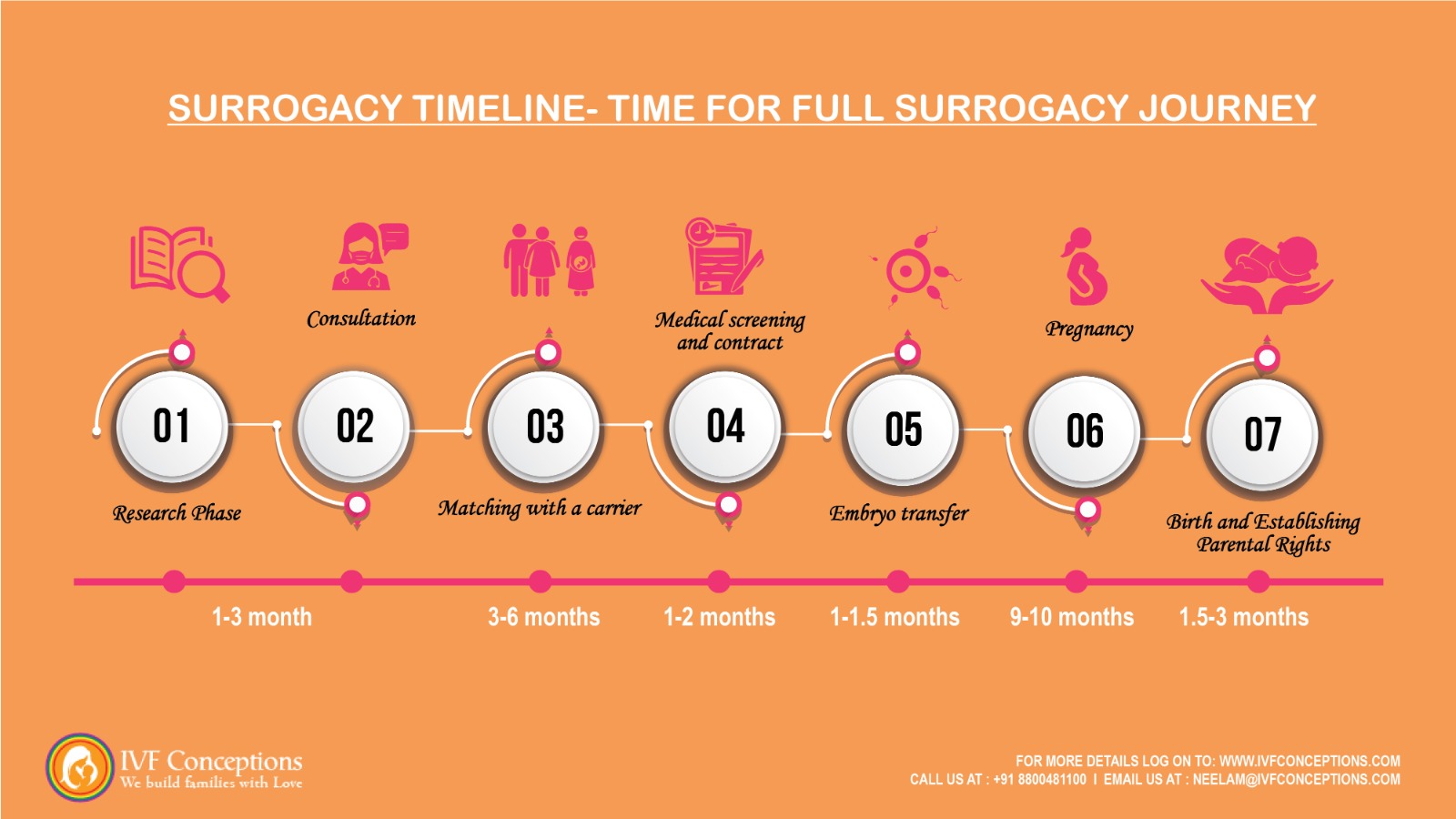
The surrogacy process involves several key steps:
1. Finding a Reputable Surrogacy Agency
Choosing a reputable surrogacy agency is the first step. Agencies specializing in surrogacy for gay couples can provide valuable guidance and support throughout the process.
Considerations:
- Agency experience with LGBTQ+ clients.
- Services offered and reputation.
- Transparency in fees and processes.
2. Selecting a Surrogate
Once an agency is chosen, the next step is to find a suitable surrogate. You may choose to work with a known surrogate or find one through the agency.
Factors to Consider:
- Medical and emotional health of the surrogate.
- Alignment of expectations and boundaries.
- Background checks and screening.
3. Choosing an Egg Donor
If using gestational surrogacy, you’ll need to choose an egg donor. Egg donor agencies can help facilitate this process.
Considerations:
- Health and genetic history of the donor.
- Compatibility with intended parents’ genetic preferences.
4. Medical Assessments
Medical assessments are crucial for ensuring the health of all parties involved. This includes:
- Screening for Surrogate: Health evaluations to ensure suitability for carrying a pregnancy.
- Fertility Treatments: IVF and other procedures to create and transfer embryos.
Costs of Surrogacy for Gay Couples

The cost of surrogacy varies widely based on location, type of surrogacy, and specific services required.
Table : Estimated Surrogacy Costs
| Location | Cost Range | Additional Notes |
| USA | $150,000 – $200,000 | Includes all medical, legal, and surrogate compensation fees |
| International | $65,000 – $70,000 | Costs may vary depending on the country and agency used |
Key Surrogacy Cost Components
- Surrogate Compensation: Payment for the surrogate’s time, effort, and associated risks.
- Medical Procedures: Includes IVF, embryo transfer, and prenatal care.
- Legal Fees: Ensures all legal aspects are covered and rights are protected.
Potential Financial Assistance:
- Grants or scholarships for LGBTQ+ individuals or couples.
- Insurance coverage for surrogacy-related expenses.
Legal Considerations
The legal landscape for surrogacy varies by jurisdiction. Key considerations include:
- Parental Rights: Establishing legal parentage for the intended parents.
- Surrogacy Agreements: Detailed contracts outlining roles, responsibilities, and financial arrangements.
- Jurisdictional Variability: Some regions may have restrictive laws affecting surrogacy for same-sex couples.

Table : Legal Considerations by Region
| Region | Legal Status | Key Considerations |
| USA | Generally supportive, varies by state | State-specific laws and regulations |
| Canada | Legal and supportive | National regulations apply |
| Europe | Varies by country | Different countries have varying laws |
| India | Legal, with restrictions | Surrogacy regulations in flux |
Social and Cultural Implications
Surrogacy for gay couples can have both positive and negative social and cultural implications:
- Positive Aspects: Promotes inclusivity and equality, allows gay couples to build families.
- Challenges: Potential resistance from conservative sectors, complex legal and social dynamics.
Table 5: Social Implications
| Aspect | Impact |
| Societal Acceptance | Increased acceptance and diversity |
| Family Dynamics | Strengthens family bonds, but may face scrutiny |
Support Networks and Resources
Several resources are available for gay couples considering surrogacy:
- LGBTQ+ Organizations: Family Equality Council, Men Having Babies.
- Online Forums: Connect with other couples through social media groups and forums.
- Surrogacy Agencies: Specialized agencies offering support and guidance.
Table : Support Resources
| Resource | Description | Contact Information |
| Family Equality Council | Advocacy and support for LGBTQ+ families | familyequality.org |
| Men Having Babies | Surrogacy resources and support for gay men | menhavingbabies.org |
Pros and Cons of Surrogacy for Gay Couples
Surrogacy offers a pathway to parenthood for gay couples, but it comes with its own set of advantages and challenges. Understanding these can help you make informed decisions about whether this route is right for you.

Pros of Surrogacy for Gay Couples
- Biological Connection
-
-
- Genetic Link: Surrogacy, especially gestational surrogacy, allows gay couples to have a biological connection to their child through the use of their sperm and, if desired, an egg donor.
- Genetic Parentage: For gay men, this means having a child who is genetically related to one or both parents, fulfilling the desire for genetic continuity.
-
- Family Building
-
-
- Path to Parenthood: Provides a viable option for gay couples to build a family when traditional methods of reproduction are not possible.
- Shared Experience: Offers the opportunity for both partners to experience parenthood and contribute to the child’s upbringing.
-
- Legal and Social Progress
-
-
- Increasing Acceptance: Many jurisdictions are becoming more accepting of surrogacy for same-sex couples, and legal protections are improving.
- Supportive Agencies: There are many surrogacy agencies and organizations specializing in supporting LGBTQ+ individuals and couples.
-
- Control and Choice
-
-
- Selecting a Surrogate: Couples have the option to choose their surrogate and, in some cases, the egg donor, allowing them to be involved in the process and select individuals who align with their preferences and values.
- Personalized Journey: The surrogacy process can be tailored to the couple’s specific needs and circumstances.
-
- Emotional Support
-
- Counseling and Resources: Many surrogacy agencies offer counseling and emotional support to help manage the psychological aspects of the surrogacy journey.
Key Advantages of gay surrogacy
| Advantage | Description |
| Biological Connection | Enables genetic link through sperm and egg donors |
| Family Building | Allows gay couples to have a child and build a family |
| Legal and Social Progress | Growing acceptance and legal protections |
| Control and Choice | Ability to choose surrogate and egg donor |
| Emotional Support | Access to counseling and support services |
Cons of Surrogacy for Gay Couples
- High Costs
-
-
- Financial Burden: Surrogacy can be expensive, with costs for surrogate compensation, medical procedures, legal fees, and other expenses.
- Insurance Issues: Limited insurance coverage for surrogacy-related costs can add to the financial strain.
-
- Legal Complexity
-
-
- Varying Laws: Surrogacy laws vary by jurisdiction, and navigating the legal landscape can be complex and challenging.
- Parental Rights: Ensuring legal parental rights and establishing parentage can involve intricate legal agreements and potential delays.
-
- Emotional and Psychological Challenges
-
-
- Stressful Process: The surrogacy journey can be emotionally taxing for both the intended parents and the surrogate, with potential stress related to the medical and legal aspects.
- Adjustment Issues: The process of adjusting to parenthood and the involvement of a third party can be emotionally complex.
-
- Social Stigma
-
-
- Cultural Resistance: Despite growing acceptance, there may still be social stigma or resistance from certain segments of society regarding same-sex parenting and surrogacy.
- Family Dynamics: The involvement of a surrogate can create complex family dynamics and potential challenges in family relationships.
-
- Health Risks
-
- Surrogate’s Health: The surrogate mother undergoes physical and emotional challenges during the pregnancy, and her health and well-being are crucial.
- Medical Complications: Risks associated with IVF and pregnancy can pose challenges and require careful monitoring.
Key Disadvantages of gay surrogacy
| Disadvantage | Description |
| High Costs | Significant financial expenditure required |
| Legal Complexity | Variability in laws and legal agreements |
| Emotional and Psychological Challenges | Stress and adjustment issues for all parties |
| Social Stigma | Potential societal resistance and family dynamics |
| Health Risks | Risks associated with surrogate’s health and medical procedures |
Best Countries for Gay Surrogacy in 2026
Choosing the right country is one of the most important decisions for gay couples pursuing surrogacy. Laws, costs, parental rights, and citizenship procedures vary significantly between destinations. Understanding the available options can help intended parents make informed decisions and avoid legal complications.
Gay Surrogacy in Georgia
Georgia has historically been a popular destination for international surrogacy due to its experienced fertility clinics, affordable treatment costs, and established medical infrastructure. Intended parents often choose Georgia for its transparent programs and relatively straightforward process. Before proceeding, it is important to obtain current legal guidance regarding eligibility requirements and parental rights.
Advantages
- Affordable compared to many Western countries
- High-quality IVF clinics
- Experienced fertility specialists
- Established surrogacy programs
Considerations
- Laws and eligibility requirements may change over time
- Legal consultation is recommended before starting a program
Gay Surrogacy in Colombia
Colombia has emerged as a destination of interest for international intended parents due to favorable costs and access to modern fertility treatments. Many intended parents explore Colombia because of its growing experience with international surrogacy arrangements.
Advantages
- Lower overall program costs
- Modern fertility clinics
- Increasing popularity among international parents
Considerations
- Legal procedures should be reviewed carefully
- Citizenship and travel documentation requirements vary by country
Gay Surrogacy in the United States
The United States remains one of the most established destinations for gay surrogacy. Many states have well-developed legal frameworks supporting intended parents and same-sex couples.
Advantages
- Strong legal protections in many states
- Extensive experience with LGBTQ+ family building
- Wide selection of agencies and fertility clinics
Considerations
- Highest surrogacy costs globally
- Legal regulations vary between states
Gay Surrogacy in Canada
Canada offers an altruistic surrogacy model where surrogates are reimbursed for approved expenses rather than receiving commercial compensation.
Advantages
- LGBTQ+ friendly legal environment
- Strong healthcare system
- Well-established fertility clinics
Considerations
- Longer waiting periods for surrogate matching
- Commercial surrogacy is not permitted
Cost of Surrogacy for Gay Couples
The total cost of surrogacy for gay couples depends on several factors including destination country, IVF requirements, egg donor expenses, legal fees, and surrogate compensation.
Typical cost components include:
- Fertility clinic and IVF treatment
- Egg donor compensation and screening
- Surrogate compensation or reimbursement
- Legal agreements and documentation
- Pregnancy monitoring and delivery expenses
- Agency coordination and support services
- Birth certificate and citizenship processing
Because every surrogacy journey is unique, intended parents should request a detailed cost breakdown before starting a program.
Additional Resources to Read:
How to find surrogate mother in USA
Why is Surrogacy in Georgia the Right option for childless couples in the USA or Europe?
Top Countries for Surrogacy: A Comprehensive Guide for Intended Parents
Conclusion
Surrogacy offers a meaningful path to parenthood for gay couples, despite its challenges. With the right guidance, legal support, and financial planning, surrogacy can be a rewarding experience. As societal acceptance continues to grow and surrogacy laws evolve, more gay couples will have the opportunity to fulfill their dreams of parenthood.
For more information on IVF, egg donation, or surrogacy services globally, visit Complete Surrogacy. We provide legally secure and affordable surrogacy consulting services at no cost. With over 13 years of experience, our team is dedicated to helping couples build families through surrogacy.
If you’d like to learn more about IVF, Egg Donation, or surrogacy services globally, check out the rest of our website at Georgia Surrogacy Agency. We offer legally secure and affordable surrogacy consulting services for FREE.
Get in touch for FREE SURROGACY CONSULTING:
Mobile: +91-8800481100 ( WhatsApp, Line, Viber)
Email: neelam@ivfconceptions.com
FAQs for same-sex surrogay process
What are the legal considerations and challenges for gay couples seeking surrogacy options?
Legal challenges vary by jurisdiction and may include establishing parental rights and finding LGBTQ+ friendly surrogacy agencies. Consulting with legal professionals specializing in reproductive law is essential.
How does the process of finding a surrogate differ for gay couples compared to heterosexual couples?
Gay couples often need to find both an egg donor and a surrogate, and may face additional legal and social challenges depending on their location.
Are there any specific medical or psychological evaluations that gay couples must undergo before proceeding with surrogacy?
All intended parents, regardless of orientation, undergo medical and psychological evaluations to ensure readiness for parenthood.
What are the potential social and cultural implications of surrogacy for gay couples?
Surrogacy can challenge traditional family structures and promote inclusivity, but may also face resistance from conservative groups.
Are there any specific support networks or resources available for gay couples considering or going through the surrogacy process?
Yes, several LGBTQ+ organizations and online communities offer support and information for gay couples pursuing surrogacy.
Is surrogacy legal for gay couples?
The legality of surrogacy for gay couples depends on the country and local regulations. Intended parents should always verify current laws before beginning the process.
Do gay couples need an egg donor for surrogacy?
In most cases, male same-sex couples require an egg donor as part of the IVF process used to create embryos.
Can both fathers be listed on the birth certificate?
Birth certificate procedures vary by country and jurisdiction. Legal advice should be obtained before beginning a surrogacy journey.
What is the average cost of gay surrogacy?
Costs vary widely depending on destination, legal requirements, medical treatments, and surrogate compensation arrangements.
Which countries are most popular for gay surrogacy?
Common destinations include the United States, Canada, Colombia, and other jurisdictions that provide supportive legal frameworks for intended parents.
How long does the gay surrogacy process take?
Most surrogacy journeys take several months for matching and preparation, followed by pregnancy and post-birth documentation procedures.
Can international gay couples pursue surrogacy abroad?
Yes, many international intended parents pursue surrogacy overseas, although citizenship and immigration requirements should be reviewed carefully.
What legal documents are required for surrogacy?
Requirements vary but commonly include identification documents, medical records, legal agreements, and parental documentation.
Is IVF required for gay surrogacy?
Gestational surrogacy typically relies on IVF to create embryos using sperm from one or both intended fathers and eggs from a donor.
How do gay couples choose an egg donor?
Egg donors are generally selected through fertility clinics or donor agencies based on medical history, screening results, and personal preferences.
Is counseling recommended before surrogacy?
Yes, psychological counseling can help intended parents prepare for the emotional and practical aspects of the surrogacy journey.
What should gay couples look for in a surrogacy agency?
Important factors include experience, transparency, legal support, medical coordination, communication, and previous success with LGBTQ+ intended parents.

Highly esteemed, authoritative, and trusted professional with a 14-year of experience in international surrogacy. Advocate for Secure, Legal, and Affordable International Surrogacy.
Neelam Chhagani, MA (Counselling Psychology) and Holistic Infertility and Third-Party Reproduction Consultant.
Member of European Fertility Society, Best Surrogacy Blogger of 2020, with 300 dedicated blogs, and top contributor on Quora for Surrogacy.
Add Your Comment