
Understanding Surrogate Mothers Costs in UK is important for intended parents planning a surrogacy journey. In the UK, commercial surrogacy is not legal, which means surrogate mothers cannot receive a salary or profit for carrying a child. Instead, intended parents reimburse “reasonable expenses” related to pregnancy, medical care, travel, maternity clothing, and loss of earnings. The total cost of surrogacy…
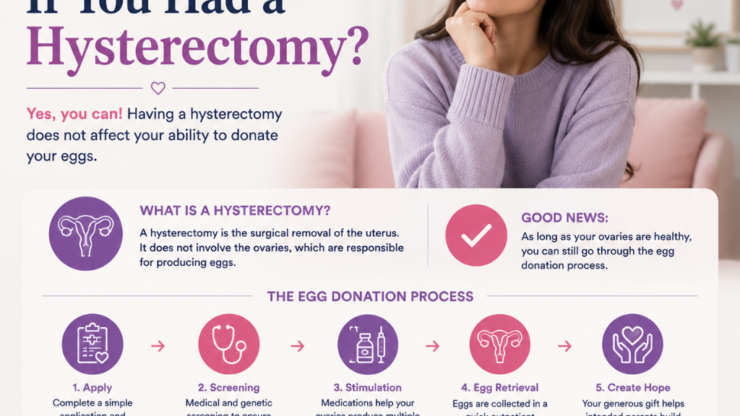
Can You Donate Eggs If You Had a Hysterectomy? Yes, in some cases, women can still donate eggs after a hysterectomy if their ovaries are healthy and functioning normally. A hysterectomy removes the uterus, but if the ovaries are left intact, egg production and ovulation may continue. Fertility specialists usually evaluate ovarian reserve, hormone levels, age, and overall reproductive health…
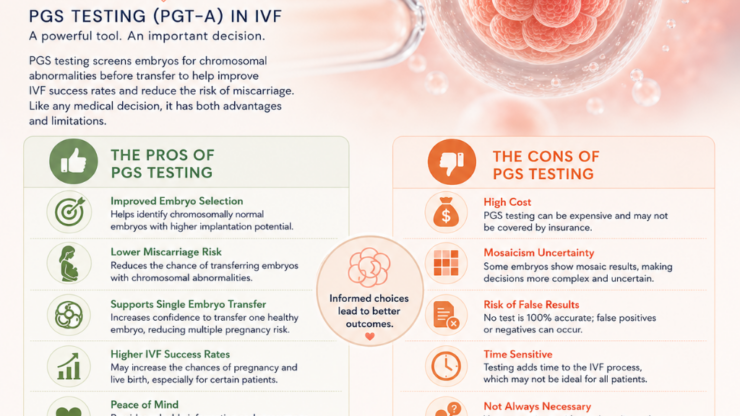
Preimplantation genetic screening (PGS) has revolutionized fertility treatments, offering advanced chromosome screening to embryos for individuals navigating complex reproductive challenges. This innovative IVF embryo testing technique provides unprecedented insights into genetic health before embryo transfer. Couples seeking fertility treatments now have a powerful tool to increase their chances of a successful pregnancy. PGS testing allows medical professionals to evaluate embryos…
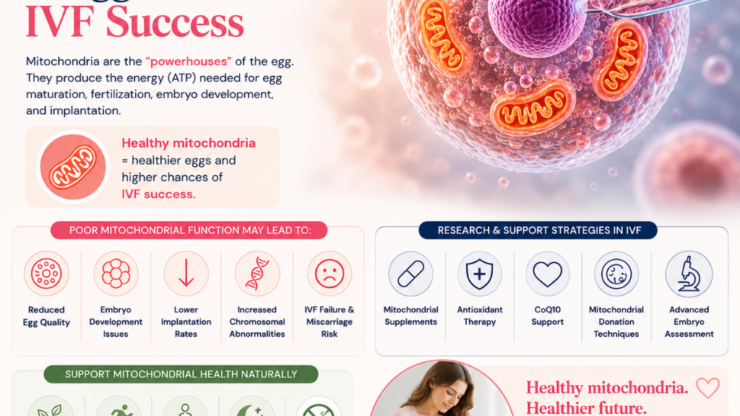
Egg quality is a critical factor in fertility, and recent research highlights the role of mitochondria in egg health and IVF success. Mitochondria, often called the “powerhouses” of the cell, provide the energy eggs need for proper development and successful fertilisation. In this blog, we’ll explore how mitochondrial function affects egg quality, IVF outcomes, and what emerging therapies are…

International surrogacy laws explained in simple terms means understanding that surrogacy rules change from country to country, and what is legal in one place may be restricted or banned in another. Some countries, like United States and Georgia, clearly allow surrogacy with contracts that protect intended parents’ rights, while others permit only altruistic arrangements or limit eligibility based on marital status or citizenship. In places such…

Hormones play a central role in reproductive health, which is why understanding how hormonal imbalances affect fertility in women and men is crucial for anyone trying to conceive. Disruptions in key hormones—such as estrogen, progesterone, testosterone, or thyroid hormones—can interfere with ovulation, sperm production, and overall reproductive function. In this blog, we’ll break down the most common hormonal imbalances, explain…

In recent years, more couples and individuals have crossed borders for reproductive care, making why fertility tourism is growing: benefits and risks an increasingly relevant topic. Affordable pricing, advanced medical technologies, and access to treatments restricted at home are driving this global trend—but it also comes with legal, ethical, and logistical challenges. In this blog, we’ll explore what’s fueling the…

Learn how to navigate the citizenship-process-georgia-surrogacy/ seamlessly with our step-by-step guide for families pursuing surrogacy in Georgia.

Explore surrogacy in Colombia with our comprehensive guide covering legal requirements, step-by-step process, costs, and ethical considerations for intended parents seeking surrogacy options.

Explore surrogacy in Mexico with our comprehensive guide covering legal frameworks, cost comparisons, step-by-step process, and ethical considerations for intended parents.